How to Secure Your Digital Wallet and Cryptocurrency
8 July 2026
Cryptocurrency has revolutionized the way we think about money and finance. A digital wallet filled with Bitcoin, Ethereum, or other cryptocurrencies can feel like you're holding the key to the future. But with great power comes great responsibility. Securing your digital wallet is just as important as securing your physical wallet—if not more so. You wouldn’t leave your wallet lying around on a park bench, would you? So, why leave your digital assets vulnerable to hackers?
In this article, we’ll dive into the steps you can take to secure your cryptocurrency and digital wallet. Whether you're a seasoned crypto pro or just starting out, it’s crucial to understand the best practices for keeping your assets safe in this digital age.
What Is a Digital Wallet?
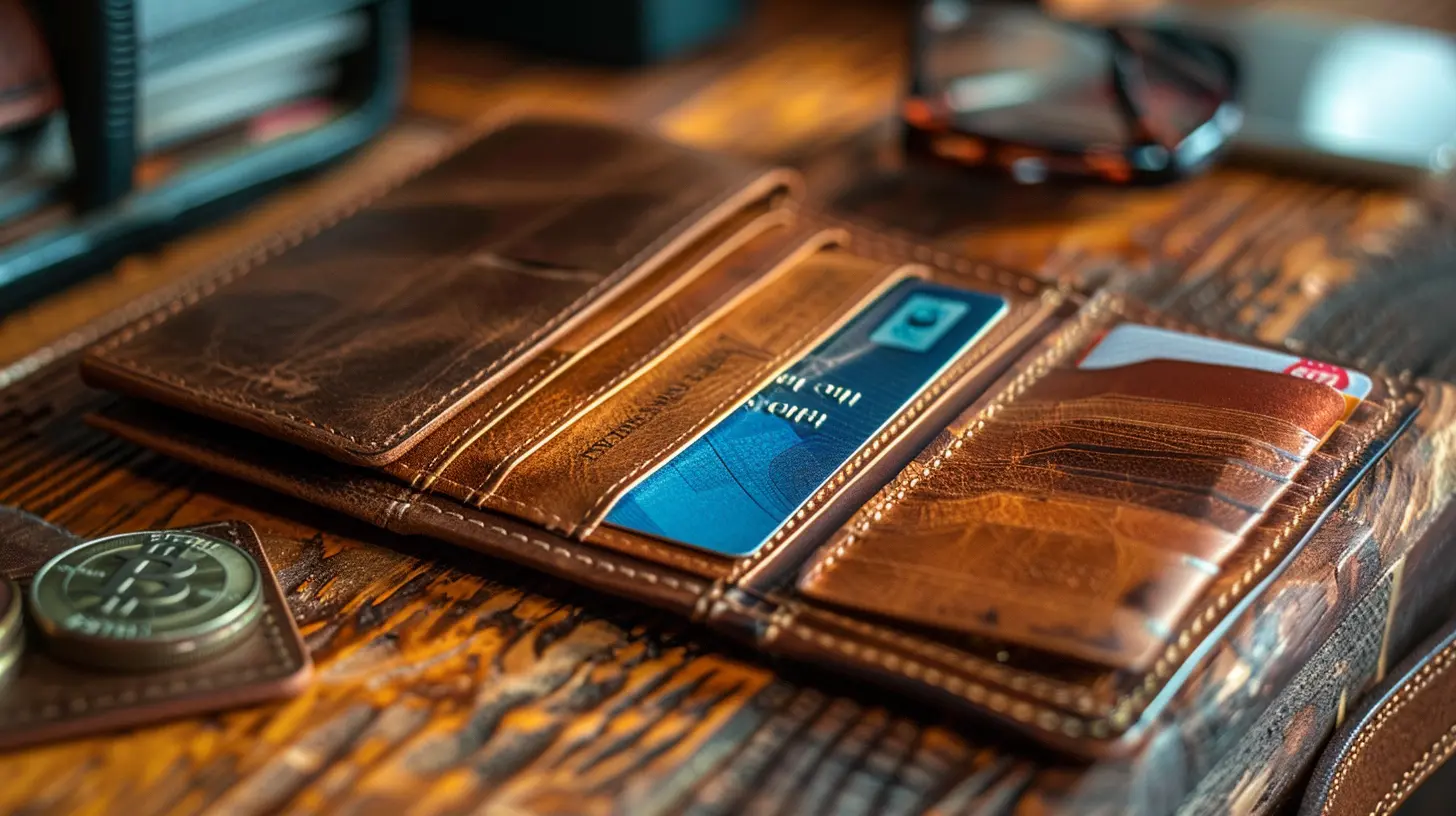
Before we jump into security tips, let’s briefly clarify what a digital wallet is.A digital wallet is essentially a software or hardware tool that lets you store and manage your cryptocurrencies. Think of it as a digital version of your physical wallet—but instead of holding cash and cards, it holds cryptographic keys. These keys give you access to your digital coins, allowing you to send, receive, and store them securely.
There are two main types of wallets: hot wallets and cold wallets. Hot wallets are connected to the internet, while cold wallets are offline. Each type has its advantages and disadvantages, which we’ll discuss later.
Why Is It Important to Secure Your Digital Wallet?
The world of cryptocurrency is still fairly new, and although it offers incredible opportunities, it's not without risks. Hackers and scammers are always on the lookout for vulnerable wallets, hoping to steal your hard-earned assets. And unlike traditional banking, there’s no customer service to call for a refund if your crypto gets stolen.Here’s the kicker: once your crypto is gone, it’s gone. There’s no “undo” button. That’s why securing your digital wallet is absolutely crucial.
Now, let’s get into how you can protect yourself.
1. Choose the Right Type of Wallet
First things first—choosing the right type of wallet can make a massive difference in the security of your assets. There are two primary categories to consider: hot wallets and cold wallets.Hot Wallets
Hot wallets are connected to the internet, making them more convenient for everyday transactions. These include mobile apps, desktop software, and web-based wallets. However, since they’re always online, they’re more susceptible to hacking attempts.Hot wallets are great if you need quick access to your cryptocurrency, but they come with risks. Think of them as your checking account: convenient for day-to-day use, but not where you’d store your life savings.
Cold Wallets
Cold wallets, on the other hand, are offline and are much harder to hack. These include hardware wallets (USB-like devices) and paper wallets. Cold wallets are perfect for long-term storage, especially if you’re holding large amounts of cryptocurrency.Cold wallets are like a safe deposit box at the bank. You won’t use them for everyday purchases, but your assets are far more secure.
Which One Should You Choose?
It depends on your needs. If you're a day trader or you make frequent transactions, a hot wallet might be more convenient. But if you're in it for the long haul—let’s say you're hodling (holding) onto your crypto for years—then a cold wallet is your best bet.
2. Use Strong, Unique Passwords
This might sound obvious, but it’s absolutely essential: use a strong, unique password for your digital wallet. You’d be surprised at how many people still use easily guessable passwords like “123456” or “password.”A strong password should be:
- At least 12 characters long
- A mix of upper and lowercase letters, numbers, and special characters
- Unique (don’t reuse passwords from other accounts)
Also, avoid using personal information like birthdays, pet names, or addresses in your passwords. Why? Because hackers can easily find this info on your social media profiles.
Use a Password Manager
If you’re worried about remembering all your strong, unique passwords, consider using a password manager. These apps securely store your passwords and can even generate strong passwords for you. Popular options include LastPass and Dashlane.3. Enable Two-Factor Authentication (2FA)
Another layer of security you should never skip is Two-Factor Authentication (2FA). Even if a hacker somehow gets your password, they’ll still need access to the second factor—usually a code sent to your phone—to get into your wallet.There are two main types of 2FA:
- SMS-based 2FA: A code is sent to your mobile phone via text message. While better than nothing, it's not the most secure option as SMS can be intercepted.
- App-based 2FA: Apps like Google Authenticator or Authy generate time-sensitive codes that are a lot more secure than SMS.
Always opt for app-based 2FA if possible.
4. Keep Your Private Keys Safe
Your private key is the most important aspect of your digital wallet. It’s like the PIN code for your debit card, but far more sensitive. If someone has access to your private key, they can access your digital assets.Never Share Your Private Key
This seems like a no-brainer, but it’s worth repeating: never share your private key with anyone. Not even with friends, family, or anyone claiming to be from customer support. Scammers will often pose as support agents to trick you into giving them access to your key.Store Your Private Key Offline
One of the safest ways to store your private key is offline, in a cold wallet or even on a piece of paper. Just make sure you store that paper in a secure location, like a safe.5. Beware of Phishing Scams
Phishing scams are one of the most common ways hackers steal cryptocurrency. They often involve a scammer sending you an email or link that looks legitimate, but it’s designed to steal your credentials or private keys.How to Spot a Phishing Scam
- Check the URL: Always double-check the URL of any website you’re visiting, especially if it’s asking for your login details or private key. Scammers often create fake websites that look almost identical to legitimate ones.- Verify Emails: If you receive an email asking for personal information, verify the sender before taking any action. Legitimate companies will never ask for your private key.
- Don’t Click Random Links: If you're unsure about a link in an email or message, don’t click on it. Visit the website directly by typing the URL into your browser.
6. Regularly Update Your Software
Whether you're using a hot wallet, cold wallet, or any cryptocurrency-related software, it's crucial to keep everything updated. Developers frequently release updates to patch security vulnerabilities, and skipping these updates can leave your wallet exposed to cyber-attacks.Enable Automatic Updates
To make things easier, enable automatic updates whenever possible. This ensures that your wallet software is always up-to-date without requiring manual input.7. Backup Your Wallet
Imagine losing access to your wallet because of a technical glitch, device theft, or accidental deletion. Scary, right? That’s why it’s critical to back up your wallet regularly.How to Backup
Most wallets will give you a recovery seed phrase when you set them up. This is a set of 12-24 random words that can help you recover your wallet if you lose access to it. Write this seed phrase down and store it in a secure, offline location.Do Not Store Your Backup Digitally
Avoid storing your seed phrase or private key in digital form, like on your phone or computer. This makes it vulnerable to hackers. Instead, write it down on paper and keep it in a safe place, like a fireproof safe.
8. Use a Reputable Exchange
If you’re buying or selling cryptocurrency, make sure you’re using a reputable exchange. While exchanges are convenient, they can also be prime targets for hackers. Stick to well-known, trusted platforms like Coinbase, Binance, or Kraken.Don't Store Crypto on Exchanges
Even if you're using a reputable exchange, it's generally a good idea to move your assets to your personal wallet rather than leaving them on the platform. Exchanges are more vulnerable to hacking, and if the exchange gets compromised, you could lose your assets.9. Diversify Your Storage
Finally, consider diversifying your storage. Don’t keep all your crypto in one wallet or on one device. Spread it out across multiple wallets—maybe a mix of hot and cold wallets—so that if one gets compromised, you won’t lose everything.
Final Thoughts
Securing your digital wallet and cryptocurrency requires a multi-layered approach. From choosing the right wallet to using strong passwords and enabling 2FA, each step is crucial for protecting your assets in this volatile digital landscape. Remember, once your crypto is stolen, it's nearly impossible to get it back. So, take every precaution you can now to avoid heartbreak later.By following these tips, you'll significantly reduce the risk of falling victim to hackers and scams. After all, wouldn’t you rather sleep soundly knowing your digital treasure is safe and sound?
all images in this post were generated using AI tools
Category:
Online SecurityAuthor:

Vincent Hubbard