Is Wireless Charging Slower Than Wired? Let’s Find Out
25 June 2026
Wireless charging – it sounds like something straight out of a sci-fi movie, doesn’t it? No more fumbling with cables, no more wear and tear on your charging port. You just place your phone on a pad, and voilà! Charging magic happens. But here’s the million-dollar question: is wireless charging slower than wired charging? If you’ve been wondering whether to cut the cable cord altogether, you’re not alone.
So, buckle up! We’re about to dive into the world of wireless charging, compare it to the tried-and-true method of wired charging, and figure out once and for all if the convenience of wireless charging is worth the trade-off in speed. Spoiler alert: It’s a bit more complicated than you might think.
What is Wireless Charging?
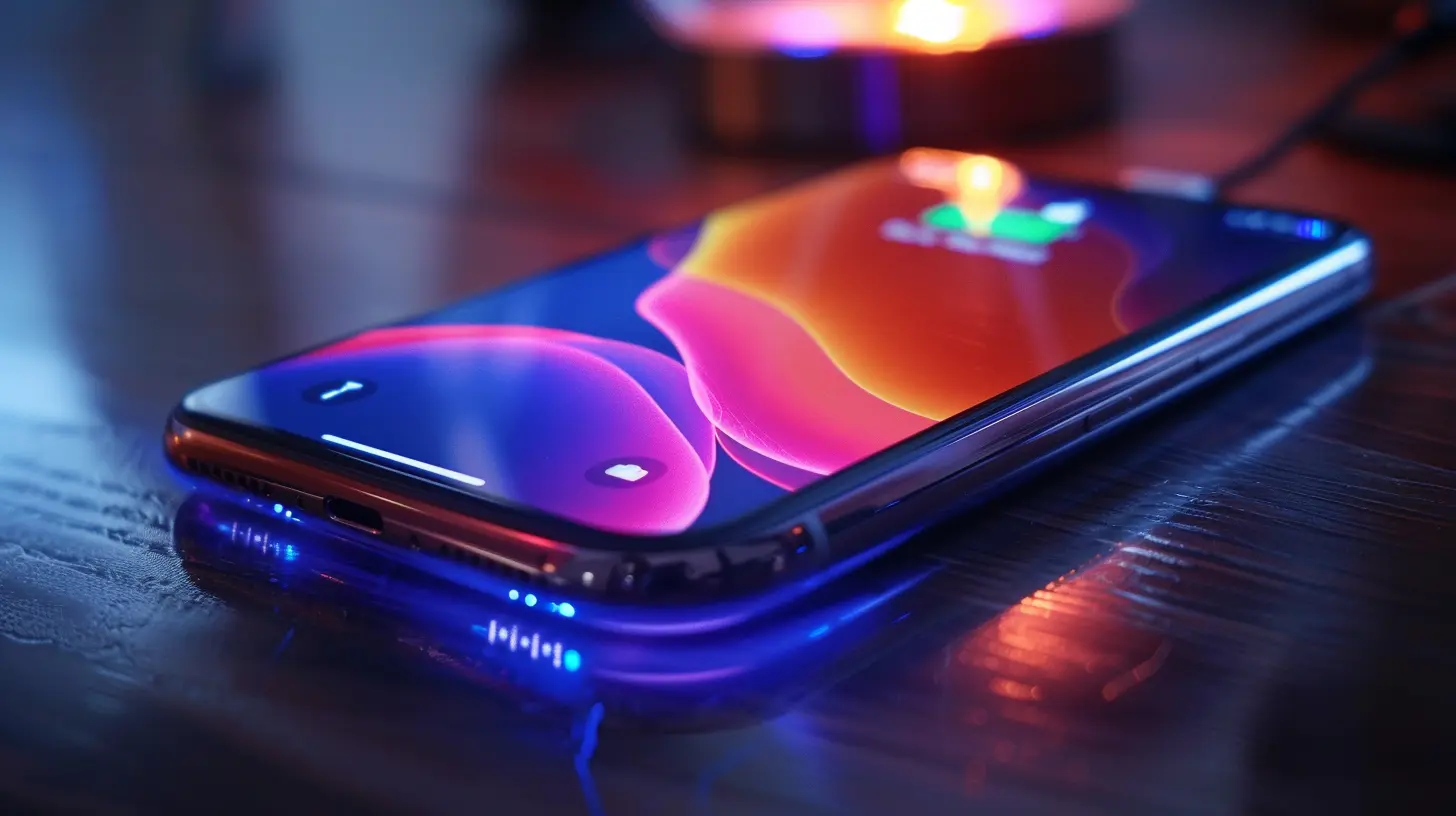
Before we dive too deep, let’s make sure we’re on the same page. Wireless charging, also known as inductive charging, uses electromagnetic fields to transfer energy between two objects. In simpler terms, your phone or device sits on a charging pad, and the pad sends energy wirelessly to your device’s battery. Pretty cool, right?This technology isn’t exactly new; it's been around for a while, mostly in electric toothbrushes and medical devices. But it has become more mainstream in recent years, with most modern smartphones offering wireless charging capabilities.
How Does Wireless Charging Work?
Okay, bear with me here – we’re going to get a little techy for a second. Wireless charging works through something called electromagnetic induction. Inside your wireless charging pad, there’s a coil that generates an electromagnetic field. When you place your phone on the pad, the coil in your phone picks up this energy and converts it into electricity to charge the battery.Think of it like two friends passing notes in class, except instead of paper, they're sending electricity through the air. It’s neat, but it’s also where some of the limitations of wireless charging come into play, especially when it comes to speed.
Wired Charging: The Old Reliable
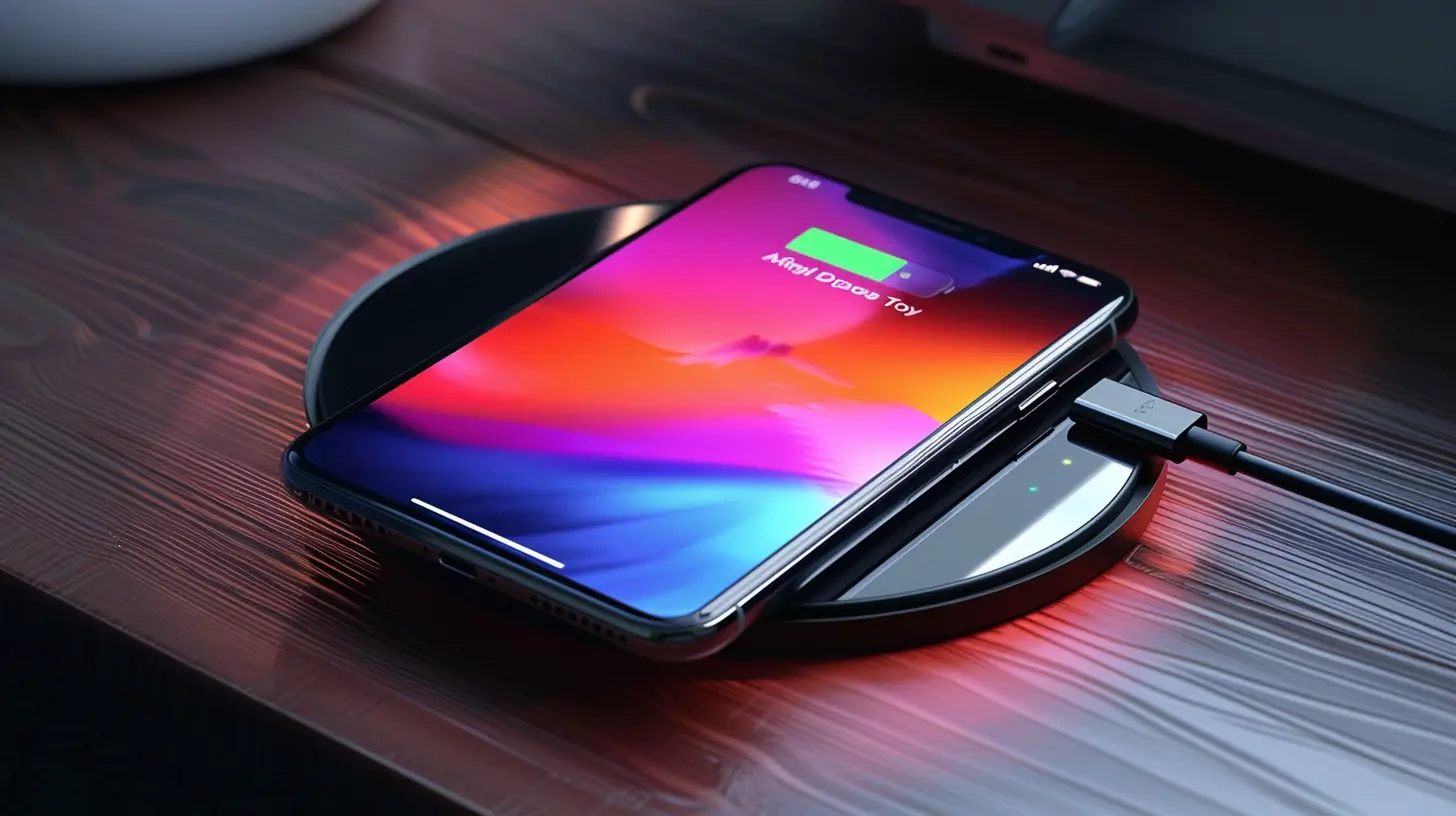
Now, let’s talk about wired charging. You know the drill – you plug one end of the cable into your phone and the other into a wall adapter. Energy flows through the cable directly to your device, filling up your battery. Simple, effective, and fast.Wired charging has been around forever (well, at least as long as mobile phones have been a thing), and it’s been perfected over the years. With the introduction of fast charging technologies like Qualcomm’s Quick Charge and USB Power Delivery (USB-C), wired charging has gotten even faster. So fast, in fact, that some phones can go from 0% to 50% in just 30 minutes.
The Speed Showdown: Is Wireless Charging Slower Than Wired?
Alright, let’s get to the meat of the matter. Is wireless charging slower than wired charging? In most cases, the answer is yes. But don’t just take my word for it – let’s break it down.Power Output: The Numbers Don’t Lie
When it comes to charging speed, it all boils down to power output, which is measured in watts (W). The higher the wattage, the faster your phone charges. Most wired chargers nowadays offer at least 18W of power, with some fast chargers pushing 65W or even higher.On the other hand, wireless chargers typically max out at around 10W to 15W. While that might sound decent, it’s nowhere near the speed you’d see with a high-wattage wired charger. So, when you’re in a hurry and need a quick battery boost, wired charging is almost always going to be faster.
Efficiency: Not All Power Makes It to Your Battery
Here’s another thing to consider: wireless charging is less efficient than wired charging. With a wired charger, almost all of the power goes directly into your phone’s battery. But with wireless charging, some of that power is lost as heat. In fact, wireless charging can lose up to 30% of its energy in the process.Imagine trying to fill a bucket with water, but the hose has a leak. Sure, you’ll still get water in the bucket, but it’s going to take a lot longer – and that’s essentially what happens with wireless charging. The inefficiency means it takes more time to charge your device, even if the wattage seems comparable.
Heat: The Silent Battery Killer
Speaking of heat, have you ever noticed that your phone gets a lot warmer when you charge it wirelessly? That’s because wireless charging generates more heat than wired charging. And while a little warmth might not seem like a big deal, heat is actually one of the biggest enemies of your phone’s battery.Over time, repeated exposure to high temperatures can degrade your battery’s health, shortening its lifespan. So, while wireless charging might seem convenient, it could be slowly wearing down your battery in the long run.
Are There Any Advantages to Wireless Charging?
Okay, so we’ve established that wireless charging is generally slower than wired charging. But does that mean wireless charging is bad? Not necessarily. Like anything in life, there are pros and cons, and wireless charging definitely has its perks.Convenience: Cut the Cord, Literally
One of the biggest advantages of wireless charging is the sheer convenience. No more fumbling with cables or worrying about frayed wires. You just drop your phone on a charging pad, and you’re good to go. This is especially handy if you’re the type of person who constantly misplaces your charging cables (guilty as charged!).Wireless charging pads are also great for reducing clutter. Instead of having multiple cables for every device, you can have one charging pad that works with all your compatible gadgets. It’s like having a magic mat that powers everything up – no tangled mess in sight.
Less Wear and Tear on Charging Ports
Another benefit of wireless charging is that it reduces wear and tear on your phone’s charging port. Over time, constantly plugging and unplugging your phone can cause the port to wear out, which could lead to expensive repairs. With wireless charging, you’re not putting any strain on the port, which could help your phone last longer.The Future of Wireless Charging: Is It Getting Faster?
While wireless charging might be slower right now, it’s important to remember that technology is always evolving. Companies like Xiaomi and OnePlus have already developed wireless charging pads that can deliver up to 50W of power, which is comparable to some wired fast chargers. That’s a huge leap forward and shows that wireless charging might not always be the tortoise in this race.There’s also the promise of true wireless charging – where your phone charges without even having to be placed on a pad. Imagine walking into a room and having your device charge automatically, no cables, no pads, no fuss. That’s the dream, right? While we’re not quite there yet, it’s something to keep an eye on in the coming years.
So, Should You Ditch Wired Charging?
At this point, you might be wondering if it’s worth sticking with wired charging or if you should go all-in on wireless. The answer really depends on your priorities.If speed is your main concern, then wired charging is still the way to go. It’s faster, more efficient, and better for your battery’s health in the long run. Plus, with fast chargers becoming more common, you can get a serious power boost in just a few minutes.
On the other hand, if convenience is more important to you, wireless charging might be worth considering. It’s perfect for overnight charging or when you’re sitting at your desk and don’t need your phone to charge super quickly. Just remember that you’ll likely be sacrificing some speed for the convenience factor.
The Verdict: Is Wireless Charging Slower Than Wired?
In short, yes – wireless charging is generally slower than wired charging. With lower power output, less efficiency, and more heat generation, it’s just not as fast or effective as plugging in your device the old-fashioned way. But that doesn’t mean wireless charging doesn’t have its place. For those who value convenience and cutting down on cable clutter, it can be a game-changer.At the end of the day, the best solution might be to use both. Use wired charging when you need a quick top-up, and opt for wireless when you’re not in a rush and want the convenience of simply placing your phone down. That way, you get the best of both worlds.
all images in this post were generated using AI tools
Category:
Wireless ChargingAuthor:

Vincent Hubbard
Discussion
rate this article
1 comments
Karly Warner
Wireless charging? Convenience beats speed every time.
July 2, 2026 at 2:34 AM
Vincent Hubbard
I get that convenience is key for many, but speed can really save time in a pinch. It's all about what works best for you.