Streaming Devices for Audiophiles: How to Get the Best Sound
15 March 2026
In the world of streaming, convenience is king. You have music, podcasts, movies, and TV shows at your fingertips—ready to be played with just the tap of a button. But if you're an audiophile, you know that convenience doesn't always mean quality. For true sound enthusiasts, streaming devices can sometimes feel like a compromise between ease of use and the rich, immersive sound experience you crave.
So, how do you get the best sound out of your streaming device as an audiophile? Let’s dive into what you need to know about streaming devices for audiophiles, how to choose the right one, and the steps you can take to maximize your sound experience.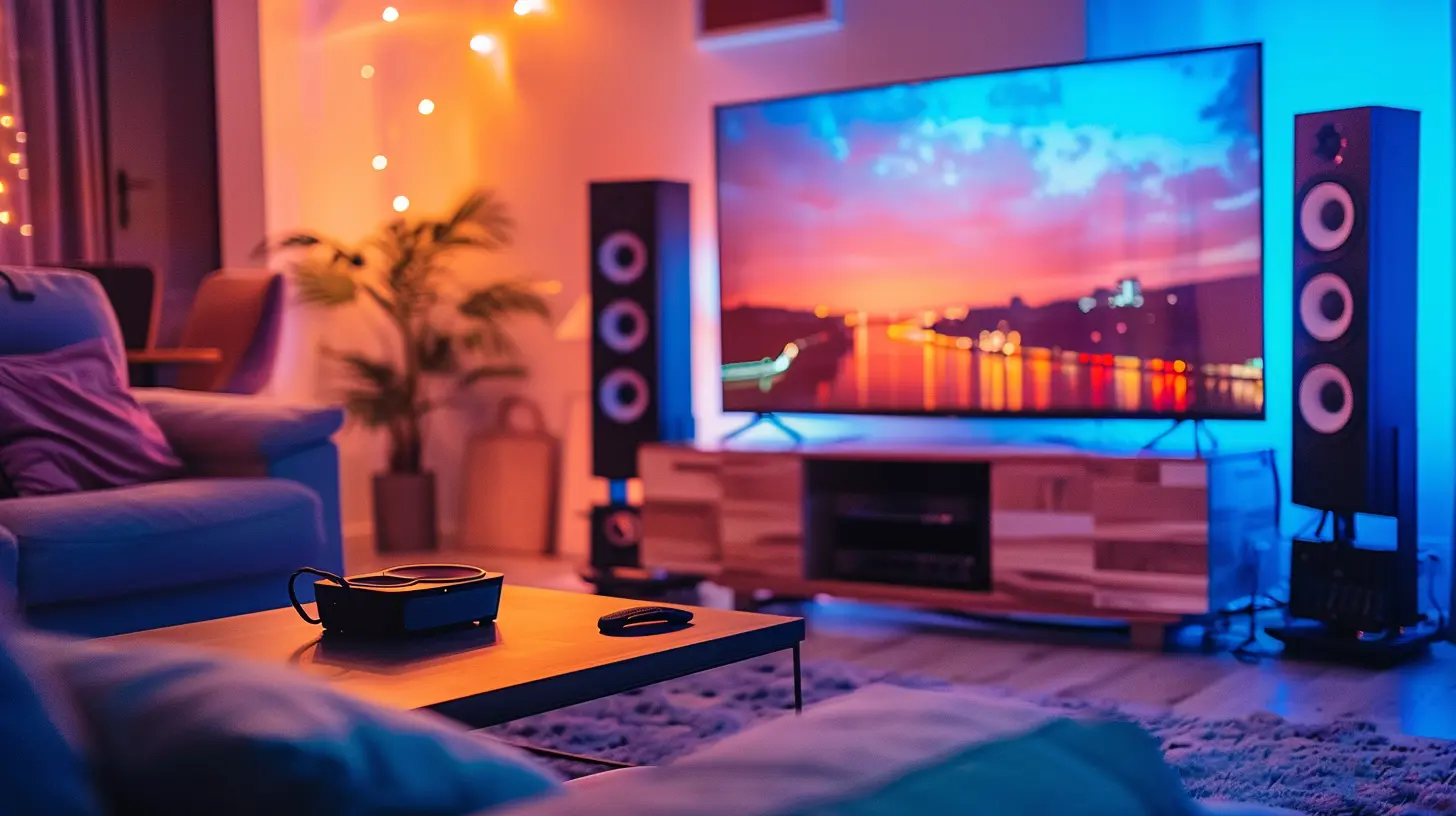
What Exactly Is an Audiophile?
If you've found yourself immersed in this article, you probably already know what it means to be an audiophile. But just in case you're new to the game (or want to check if you fit the bill), an audiophile is anyone who has a deep appreciation for high-quality sound. These folks are obsessed with clarity, balance, and the overall experience of listening to music.While the average person might be content with a basic Bluetooth speaker or earbuds, audiophiles are on a never-ending quest for the perfect sound. This often means investing in high-end speakers, amplifiers, and, yes, even streaming devices that are capable of handling lossless audio formats.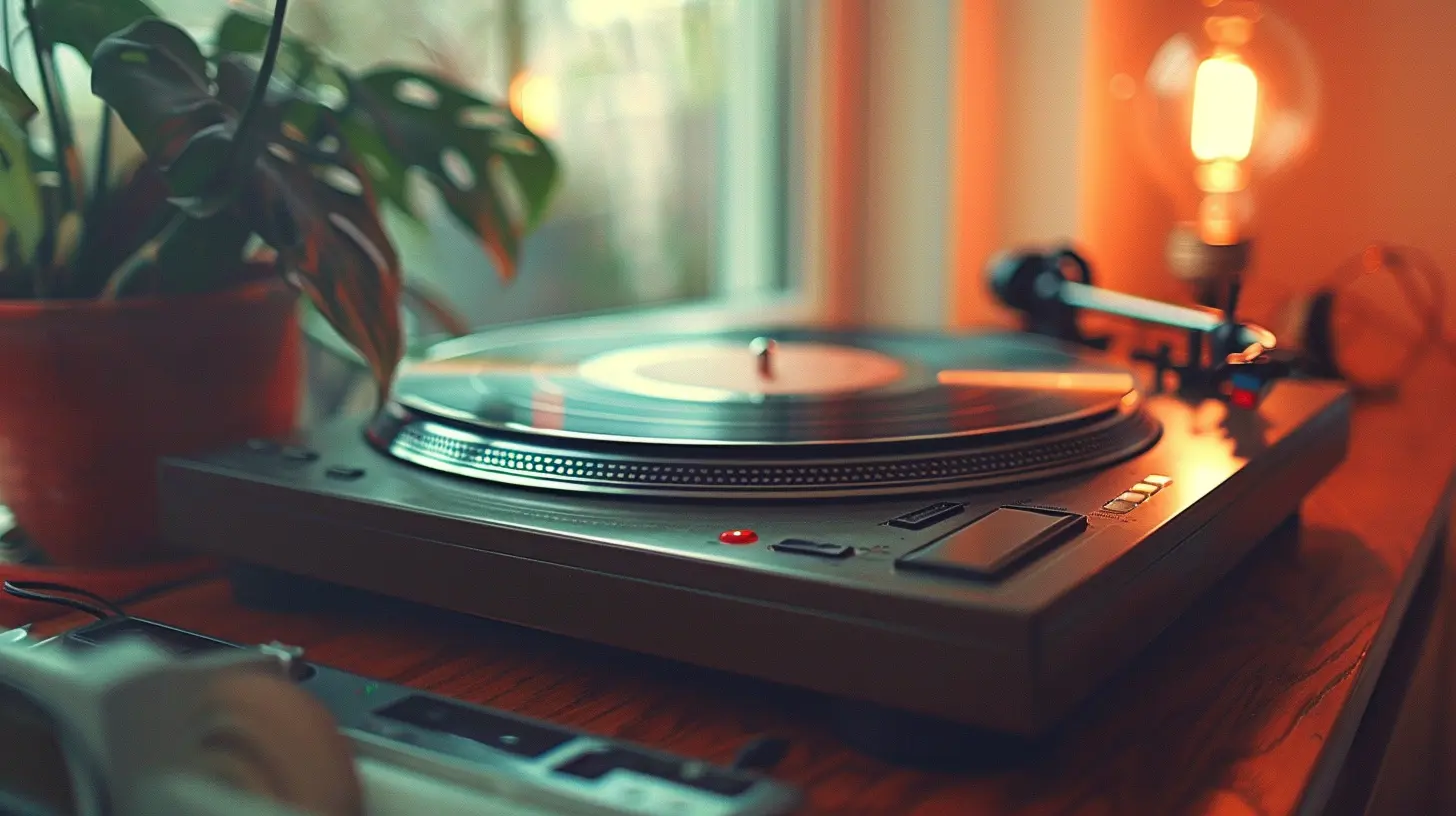
Why Streaming Devices Matter for Audiophiles
When it comes to streaming devices, most people prioritize things like ease of use, compatibility with apps, and video quality. While those are all important considerations, audiophiles need to think about one thing above all else—sound quality.Here's the thing: not all streaming devices are created equal when it comes to audio quality. Some devices compress the audio to save on bandwidth, which can lead to a loss of detail. For audiophiles, this is a huge red flag. You want a streaming device that supports high-resolution audio formats and has the capability to output that sound to your high-quality speakers or headphones without losing fidelity.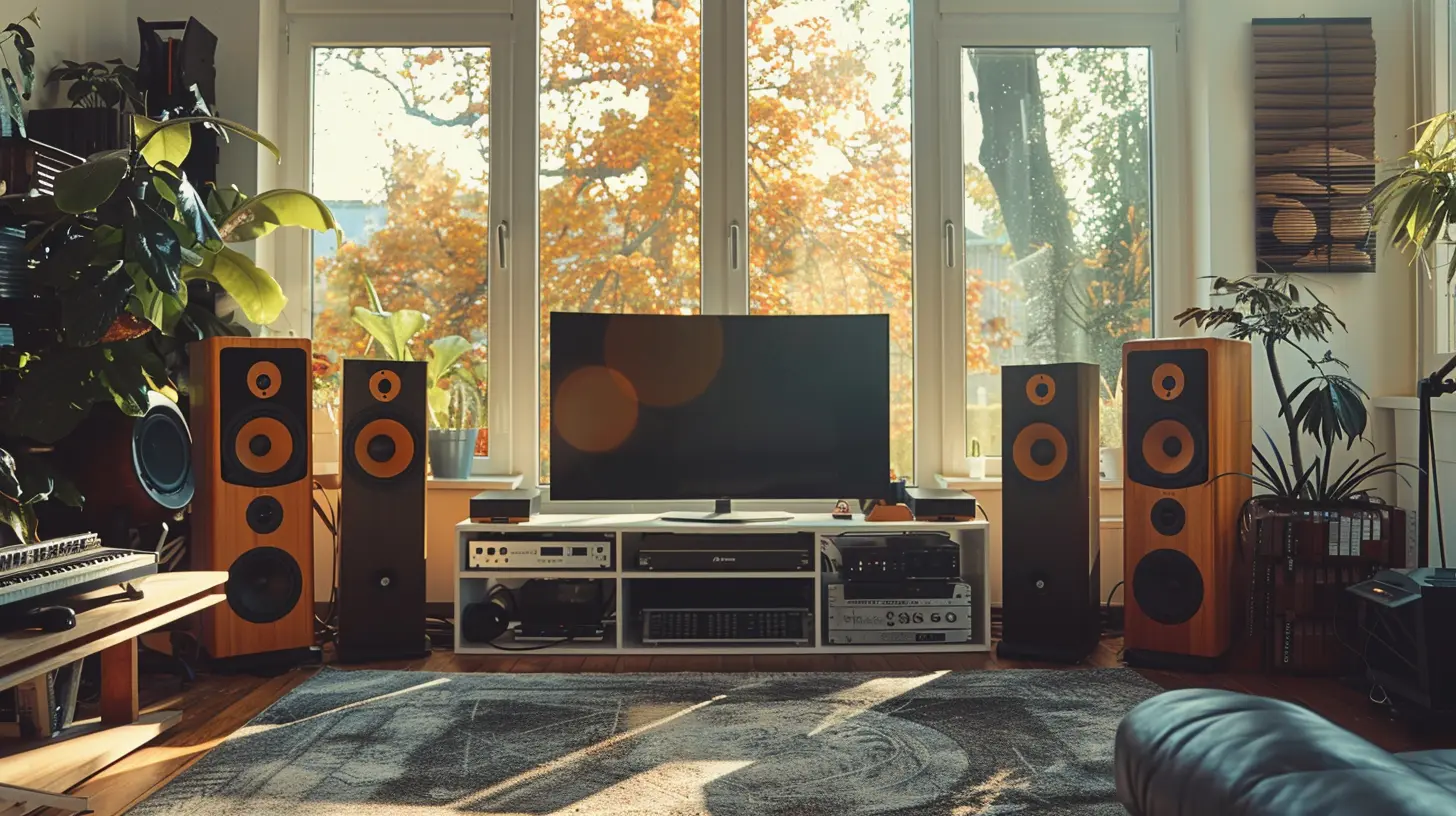
Key Features to Look for in a Streaming Device for Audiophiles
Before you rush out and grab the first “high-end” streaming device you see, let’s take a look at some of the must-have features you should consider when shopping for a streaming device that will satisfy your audiophile tendencies.1. High-Resolution Audio Support
This is the big one. If you're serious about sound quality, your streaming device should support high-resolution audio formats such as FLAC, ALAC, or WAV. These formats offer higher bitrates than your typical MP3 or AAC file, which means you get more detail in the sound.Some of the most popular streaming services, like Tidal, Amazon Music HD, and Qobuz, offer high-resolution audio streaming. Just make sure the device you choose can handle it.
2. DAC (Digital-to-Analog Converter) Quality
The DAC is a critical part of any audio system. It converts the digital audio signal (the 1s and 0s) into an analog signal that your speakers or headphones can actually play. A high-quality DAC will make a huge difference in sound quality.Many streaming devices come with built-in DACs, but they’re not all created equal. If your streaming device has a lower-quality DAC, consider pairing it with an external DAC for the best sound.
3. Bitrate and Sampling Rate
When it comes to streaming audio, bitrate and sampling rate are two key factors that determine sound quality. The higher the bitrate (usually measured in kbps or Mbps), the better the audio quality. The same goes for sampling rate, which is measured in kHz.For audiophiles, you’ll want a device that supports high bitrates—think 24-bit/192kHz for truly high-res audio. Anything lower, and you're entering compromise territory.
4. Connectivity Options
Audiophiles often have more complex setups involving amplifiers, DACs, and high-end speakers. Make sure your streaming device has the right connectivity options to integrate seamlessly with your existing gear. Look for devices with optical outputs, HDMI ARC, or even USB outputs for external DACs.5. Streaming Service Compatibility
Not all streaming services offer high-quality audio. If you're an audiophile, you’re probably not using Spotify’s free tier since it caps at 320kbps. Instead, you might be using Tidal, Qobuz, or Amazon Music HD—all of which offer high-res audio options. Make sure your streaming device is compatible with the services you use the most.
Top Streaming Devices for Audiophiles
Now that you know what to look for, let’s get into some specific streaming devices that are known for delivering top-notch sound quality. Whether you're looking for an all-in-one solution or something that integrates into your existing setup, we’ve got you covered.1. Bluesound Node
If you’re serious about high-resolution audio streaming, the Bluesound Node is one of the best options out there. Not only does it support all the major high-res audio formats (FLAC, WAV, ALAC), but it also integrates seamlessly with services like Tidal and Qobuz.The Bluesound Node comes with a high-quality built-in DAC, but it also has the option to connect to an external DAC if you want to take things to the next level. Plus, it features a wide variety of connectivity options, so it will fit right into your existing audiophile setup.
2. Cambridge Audio CXN (V2)
Another heavyweight in the audiophile community, the Cambridge Audio CXN (V2) is a fantastic streaming device for those who want both high-resolution audio support and excellent build quality. It supports all major audio formats and offers a top-tier DAC to ensure your music sounds as crisp and clear as possible.One standout feature is its upscaling technology, which takes lower-quality audio files and attempts to enhance their sound quality. It also offers both wired and wireless connectivity options, making it a versatile choice for different setups.
3. Naim Uniti Atom
If you’re looking for a premium all-in-one streaming device, the Naim Uniti Atom is hard to beat. This device is a powerhouse, offering support for high-res audio formats, a fantastic DAC, and a built-in amplifier. It's perfect for audiophiles who want a simple, clean setup without giving up sound quality.While the Uniti Atom is on the pricier side, it’s worth every penny for those who want a device that combines convenience with audiophile-grade sound quality.
4. Auralic Aries G1
If you want to go all out, the Auralic Aries G1 is a streaming device that is designed specifically with audiophiles in mind. It supports virtually every high-resolution audio format you can think of, and its Lightning DS platform ensures seamless integration with your music library and streaming services.This device is best suited for those who already have a hi-fi setup and want a streaming device that can deliver the highest quality audio possible.
Tips for Getting the Best Sound from Your Streaming Device
So, you’ve got your high-end streaming device, but how do you make sure you’re getting the best sound out of it? Here are a few tips to optimize your listening experience.1. Invest in a High-Quality DAC
Even if your streaming device has a built-in DAC, it might not be the best available. Consider investing in an external DAC from companies like Chord, Schiit, or iFi Audio. This can take your sound quality to the next level.2. Use High-Resolution Audio Files
Not all streaming services offer high-res audio, so make sure you’re using one that does. Services like Tidal, Qobuz, and Amazon Music HD offer lossless and high-res audio formats that will make a noticeable difference in sound quality.3. Optimize Your Listening Environment
Even the best streaming device won't sound great if your room’s acoustics are off. Consider adding some soundproofing or acoustic treatments to your listening space to get the most out of your system.4. Wired vs. Wireless
Whenever possible, go wired. While wireless streaming is convenient, it introduces the potential for signal degradation. Using Ethernet instead of Wi-Fi or a wired connection for your speakers will ensure you’re getting the best sound quality.5. Update Firmware Regularly
Streaming devices often get firmware updates that can improve performance or add new features. Make sure your device’s firmware is always up to date to ensure you're getting the latest optimizations.Conclusion
For audiophiles, streaming doesn’t have to mean sacrificing sound quality. With the right streaming device, you can enjoy the convenience of streaming while still getting the rich, detailed sound experience you crave. Whether you opt for the Bluesound Node, Cambridge Audio CXN (V2), or one of the other top devices we’ve mentioned, you’ll be well on your way to audio nirvana.Just remember: investing in a high-quality DAC, using lossless audio files, and optimizing your setup can make all the difference. Now, go on and start streaming in style.
all images in this post were generated using AI tools
Category:
Streaming DevicesAuthor:

Vincent Hubbard
Discussion
rate this article
2 comments
Winona McElroy
Prioritize lossless formats for true audio fidelity.
March 24, 2026 at 11:48 AM
Vincent Hubbard
Absolutely! Lossless formats like FLAC and ALAC ensure the highest audio quality, making them ideal for audiophiles seeking true fidelity.
Elin Stone
Great insights! Finding the perfect streaming device can truly enhance our listening experience.
March 24, 2026 at 4:24 AM
Vincent Hubbard
Thank you! I'm glad you found the insights helpful. The right streaming device can make a significant difference in audio quality!