The Ethics of Drone Surveillance: Balancing Privacy and Progress
30 October 2025
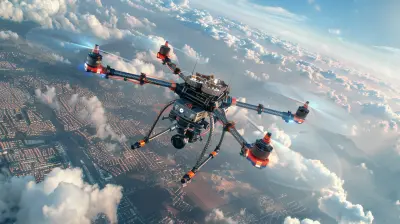
In a world where technology is moving faster than ever, drones are popping up everywhere—from delivering packages to filming stunning aerial shots. But let's be real: when we hear that buzzing sound above our heads, most of us aren’t thinking about cool pizza deliveries or movie scenes. We’re wondering if someone is watching us.
Welcome to the messy, complicated world of drone surveillance—a space where innovation crashes head-on with personal privacy. It’s the high-flying frontier of 21st-century ethics. So, how do we harness the power of drones without stepping all over people’s rights? Let’s dive into it.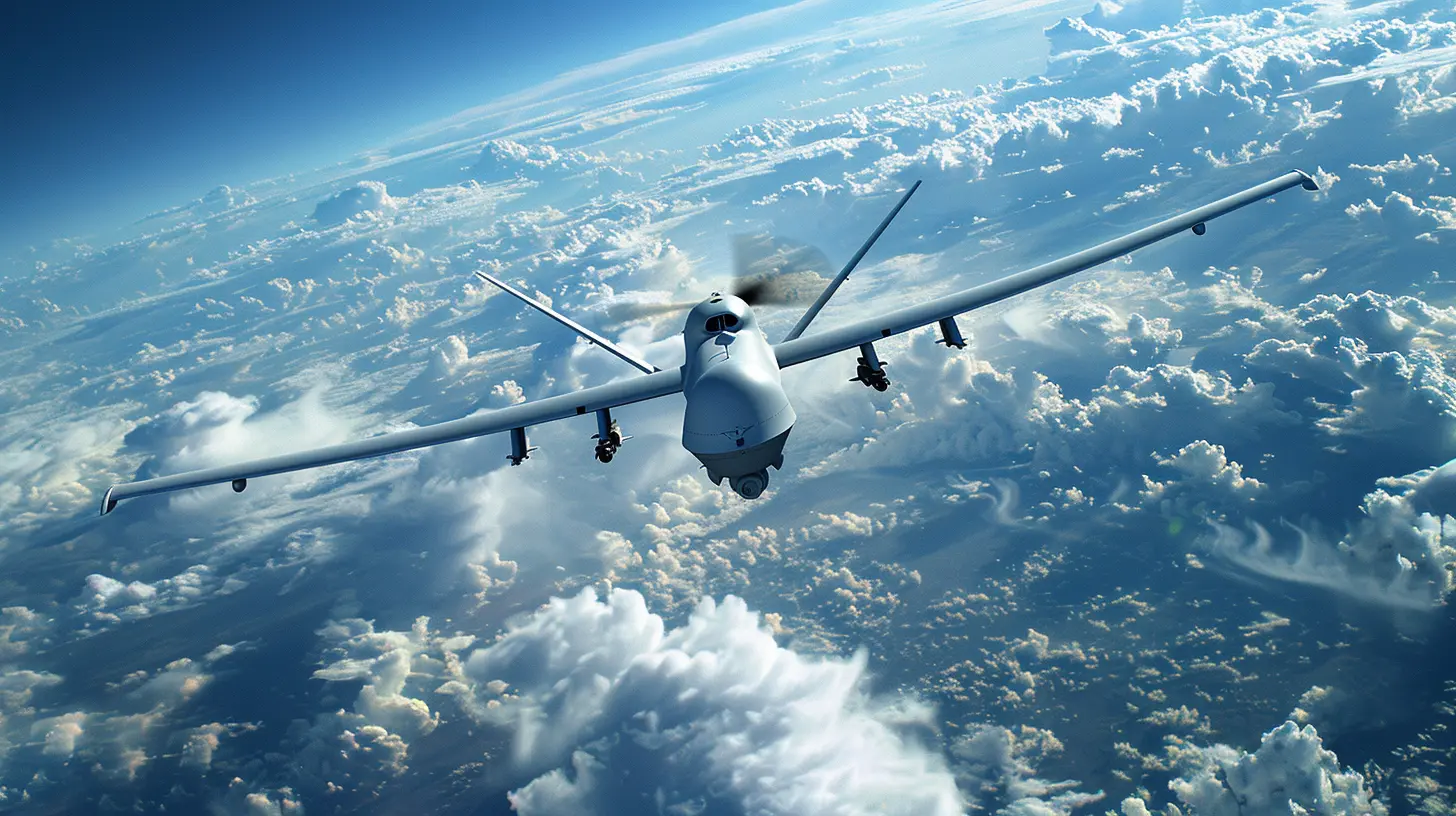
What Is Drone Surveillance Anyway?
Before we get into the ethics, we’ve got to understand the basics. Drone surveillance usually refers to the use of unmanned aerial vehicles (UAVs) equipped with cameras, sensors, or even facial recognition technology, to monitor people, events, or places.Governments use them for border control. Police use them to track suspects. Businesses use them to manage logistics or monitor properties. Even farmers use drones to monitor crops. So yeah, they’re not just toys or cool gadgets—they’re serious tools.
But here’s the catch: each of these use cases walks a fine line between practicality and privacy invasion.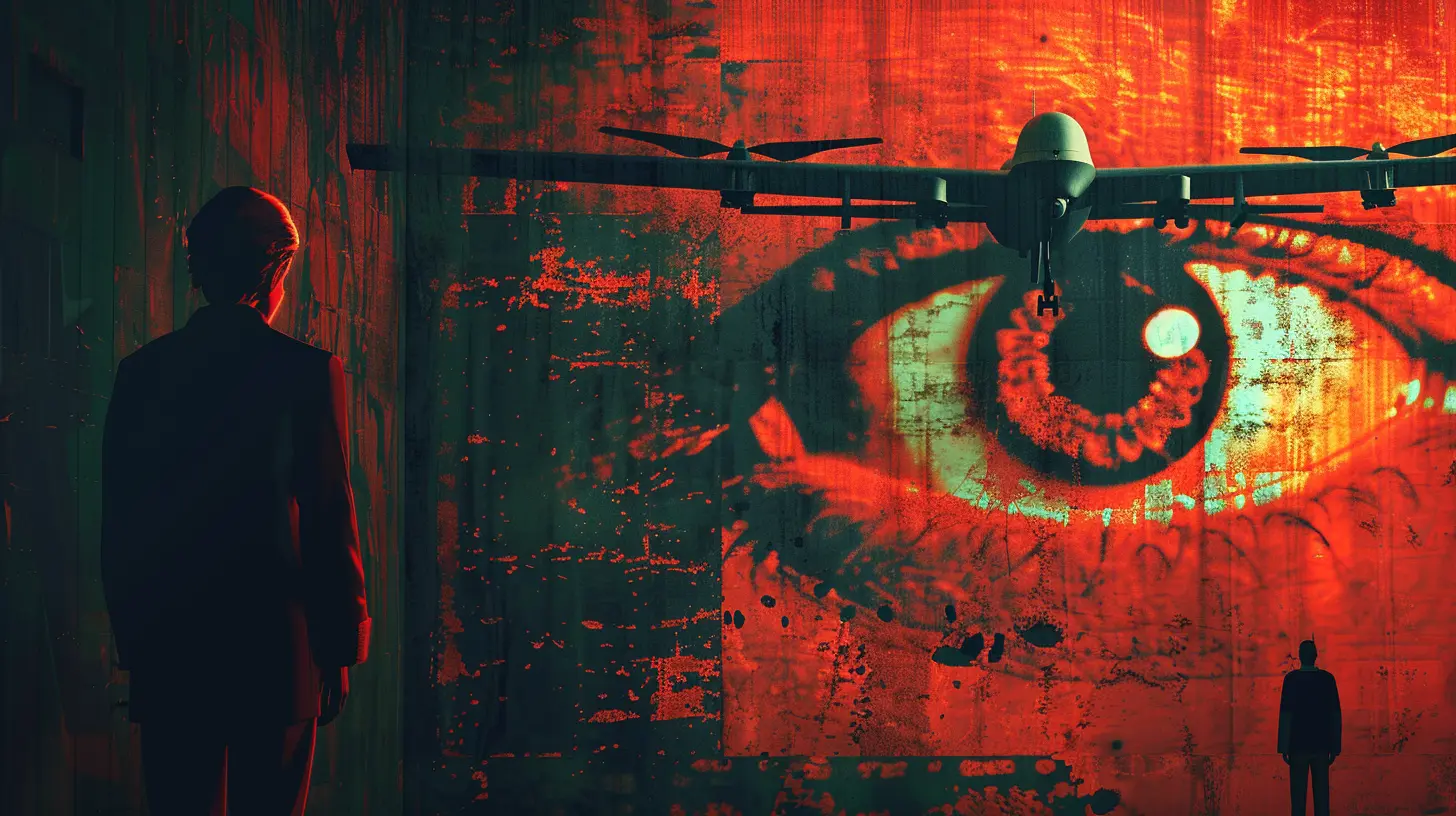
The Double-Edged Sword of Progress
Technological advances almost always come with a moral dilemma. Think about the car—it made travel easier but also brought accidents and pollution. The internet connected us globally but also opened the door to data theft and misinformation. Drones are no different.They offer a range of benefits:
- Efficiency & Cost-Effectiveness: Surveillance that once took entire teams and expensive helicopters can now be done with one drone.
- Safety: Why put a human in harm’s way during a search and rescue mission or police chase when a drone can do it?
- Real-Time Intelligence: First responders and military forces benefit from real-time data to make critical decisions.
But let’s flip the coin:
- Constant Surveillance: Who’s watching the watchers?
- Lack of Regulation: Not all regions have clear laws around what drones can or can’t do.
- Potential for Abuse: What starts as public safety can easily morph into mass surveillance.
In other words, we’re driving a Ferrari on an ethical dirt road.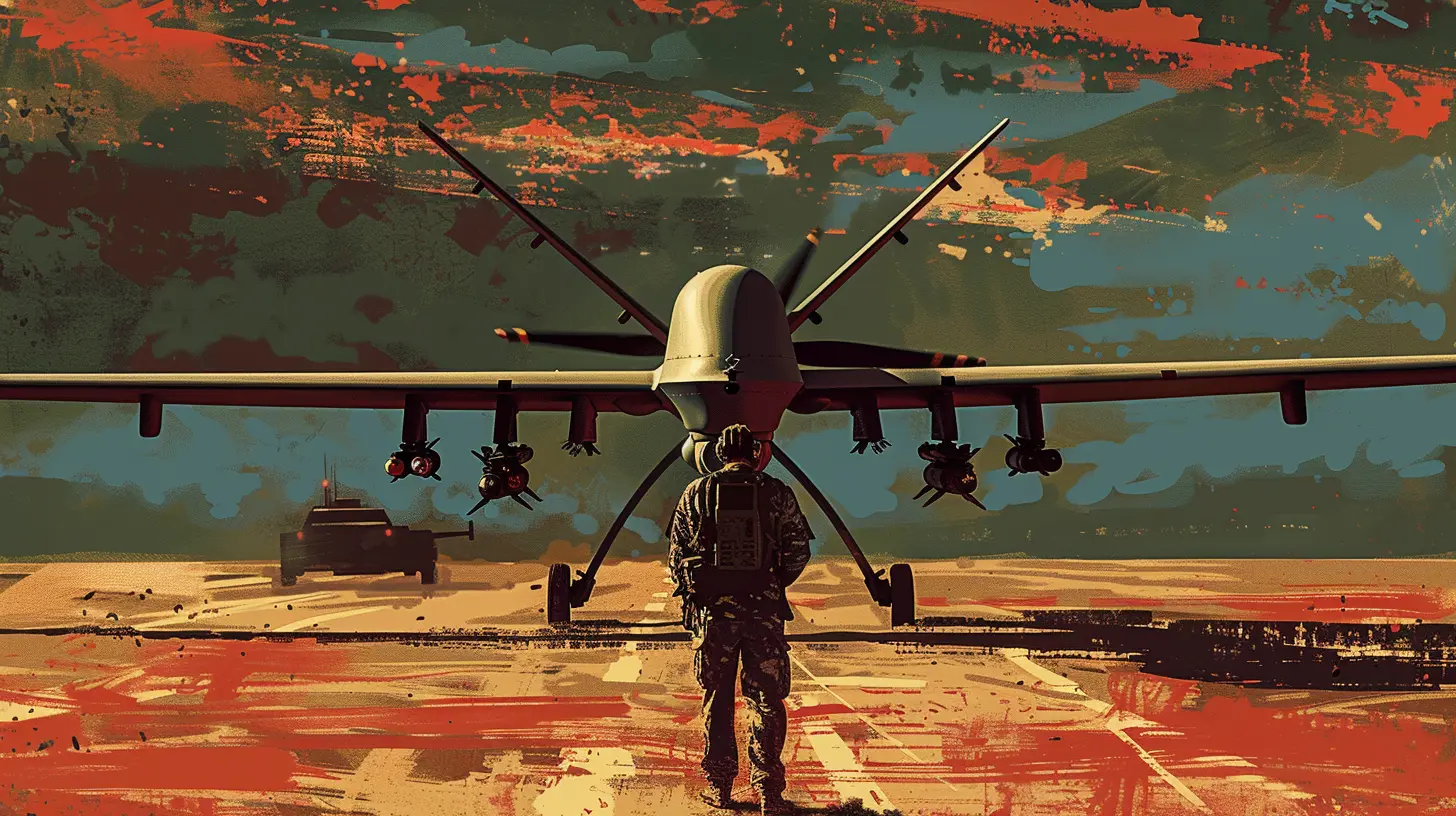
Privacy: The Elephant in the Sky
Look, no one likes the idea of being watched without their knowledge or consent. Whether it’s a flying drone or a hidden camera—privacy matters. It's not just about hiding secrets. It's about maintaining dignity, autonomy, and basic human decency.The Personal Space Problem
Imagine chilling in your backyard on a sunny afternoon. Suddenly, a drone flies over your fence, hovering. Maybe it’s mapping. Maybe it’s filming. You don’t know.That feeling? That unease? That’s your privacy being poked.
Now imagine that happening daily—in parks, cities, or outside your window. It’s not just annoying. It’s unsettling. That’s where the conversation gets serious.
The Data Dilemma
Drones collect data—and a lot of it. High-res images, heat maps, GPS locations, even license plates. But here’s the problem: most people don’t know what’s being collected, who’s storing it, or how long it’s kept.Worse yet? In some places, there are zero rules about this. That means your movements could be stored in a database somewhere without your knowledge or permission.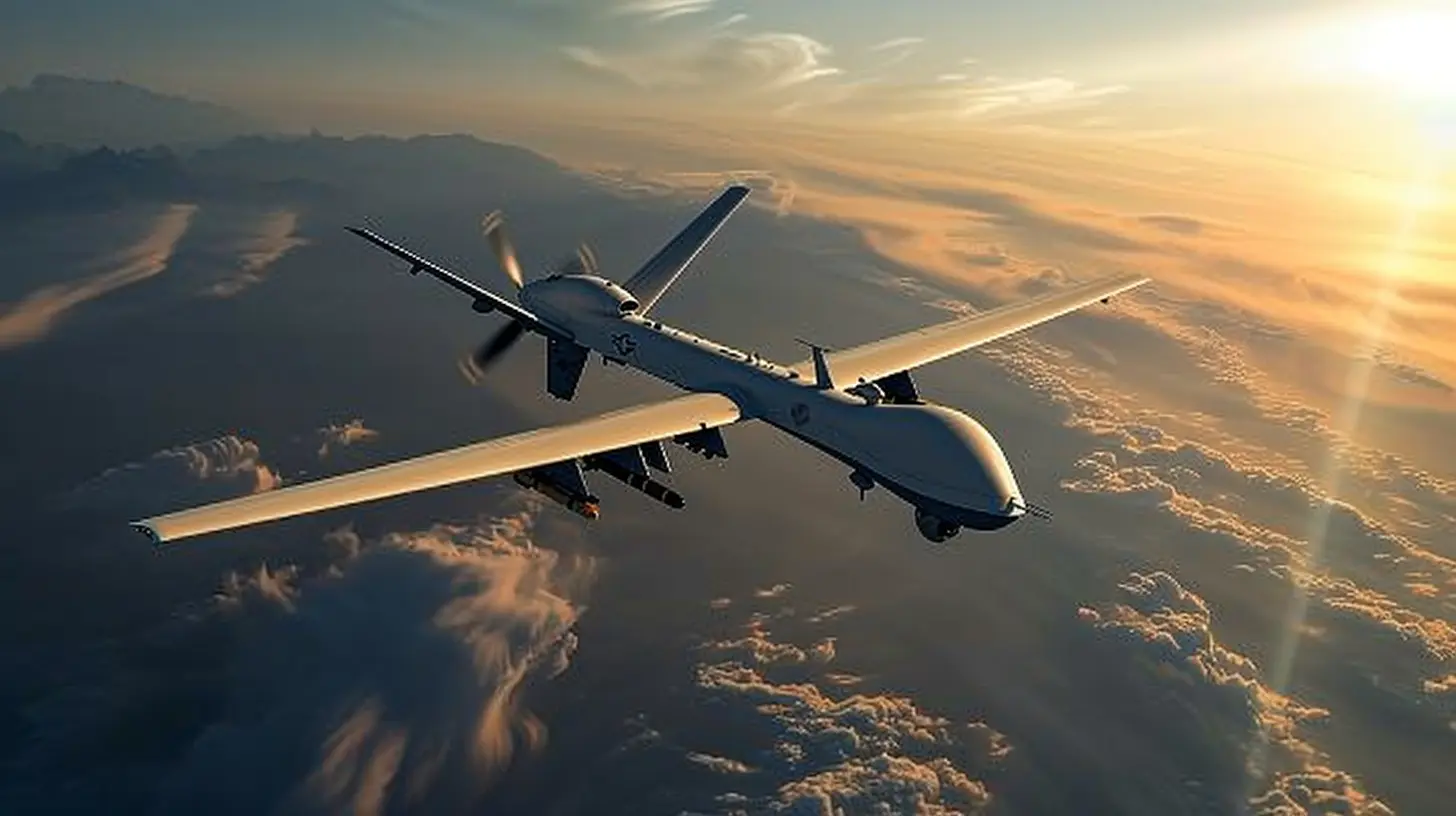
The Legal Landscape (Or Lack Thereof)
One of the biggest challenges with drone surveillance is that the law hasn’t quite caught up. Some cities have drone regulations; others are playing catch-up. Internationally, it’s the wild west.Patchwork Policies
In the U.S., the Federal Aviation Administration (FAA) governs airspace, but they don’t consider privacy their job. That falls to local governments, which means what’s OK in one city might be illegal in another.In Europe, the General Data Protection Regulation (GDPR) offers stricter rules, especially for companies collecting personal data via drones. But enforcement? That’s another story.
Consent is Complicated
Most drone surveillance doesn’t come with a heads-up or a terms-of-service popup. People just get filmed or scanned without any say in the matter. That’s a major red flag in any conversation about ethical technology.Who Holds the Remote?
Power dynamics matter here. Drones aren’t just randomly flying around; someone is controlling them. And depending on who that someone is, the intentions behind the surveillance can shift dramatically.Government and Law Enforcement
The state has a responsibility to protect its citizens—which sometimes means surveillance. But when does that protection become oppression?For example, using drones at protests or public gatherings to monitor crowds might be framed as public safety. But it can also feel like intimidation, or even suppression of free speech.
Corporations
Businesses love data. It helps them sell better, operate smarter, and understand markets. But when companies start using drones to track foot traffic, monitor consumer behavior, or enforce workplace compliance, the line between customer service and intrusion blurs really fast.Individuals
And yeah, let’s not forget: everyday people can buy drones too. That includes nosy neighbors and curious onlookers. In the wrong hands, even a basic drone can become a tool for stalking or harassment.Striking the Right Balance: Is It Even Possible?
We’re in a technological tug-of-war. On one side, we’ve got innovation, safety, and efficiency. On the other side, we’ve got privacy, consent, and freedom. So how do we find that sweet spot?Clear and Strong Regulations
First, we need well-defined, enforceable laws that keep up with drone tech. Not vague guidelines. Laws. Ones that define what’s allowed, what’s not, and most importantly—what happens if you cross the line.- Who can use drones for surveillance?
- What kind of data can they collect?
- How long can they store it?
- Do they need a warrant or consent?
If that sounds like overkill, ask yourself this: would you want someone filming your bedroom window just because they legally could?
Transparency and Accountability
If you're being filmed from above, you should know. There should be visible markings, public reports, or even an app that lets you see which drones are flying nearby and what they’re doing.And if that surveillance footage gets misused? There should be hell to pay. Accountability needs to be real. Not just a slap on the wrist.
Ethics by Design
This is where developers and engineers play a role. Ethics shouldn’t be an afterthought—it should be baked right into the blueprints. Think software limitations, no-fly zones, real-time alerting features, and built-in privacy filters.Just like how cars come with seatbelts and airbags, drones should come with privacy safeguards.
Public Participation
Finally, let’s not leave this up to tech giants or government bodies alone. The public should have a voice in how drone tech evolves. That means open forums, public consultations, and community-driven policies. After all, if you’re being watched, shouldn’t you have a say in how?The Future of Drone Surveillance: Hope or Horror?
Okay, so let’s dream a little. Imagine a world where drones are tools for good—rescuing people, protecting wildlife, managing disasters. A world where laws are clear, data is secure, and your backyard remains your private sanctuary.It’s possible.
But getting there means staying alert, speaking up, and challenging the status quo. Drones aren’t inherently evil. Like all tools, it’s how we use them—and regulate them—that counts.
The sky might be the limit, but our ethics should always keep us grounded.
Final Thoughts
The ethics of drone surveillance aren't just legal or technical debates—they're personal. They touch on how we live, what we value, and how much of ourselves we're willing to give up in the name of progress. It's a delicate balance, and getting it right won't be easy. But with a thoughtful approach, clear rules, and a whole lot of transparency, we just might fly responsibly into the future.Until then, keep your eyes on the skies—and your voice in the conversation.
all images in this post were generated using AI tools
Category:
DronesAuthor:

Vincent Hubbard
Discussion
rate this article
1 comments
Ranger Kirkland
In the skies where shadows play, Privacy whispers, progress sways. A dance of ethics, thin and tight, Guiding drones with moral light. Balance the weight of day and night.
November 8, 2025 at 5:23 AM
Vincent Hubbard
Thank you for your poetic reflection! It beautifully captures the delicate balance we must maintain between privacy and technological advancement in drone surveillance.