The Future of Electric Motorcycles and Scooters
2 December 2025
Electric motorcycles and scooters are quickly becoming more than just a niche product for environmentalists and tech enthusiasts. They’re transforming into stylish, practical, and increasingly affordable options for everyday commutes. You might’ve already seen a few zipping past on your morning ride or silently parked next to traditional gas guzzlers. But what does the future hold for these battery-powered beasts?
Let’s dive deep into what’s driving this two-wheeled revolution and why it's time we all start paying more attention to the road ahead.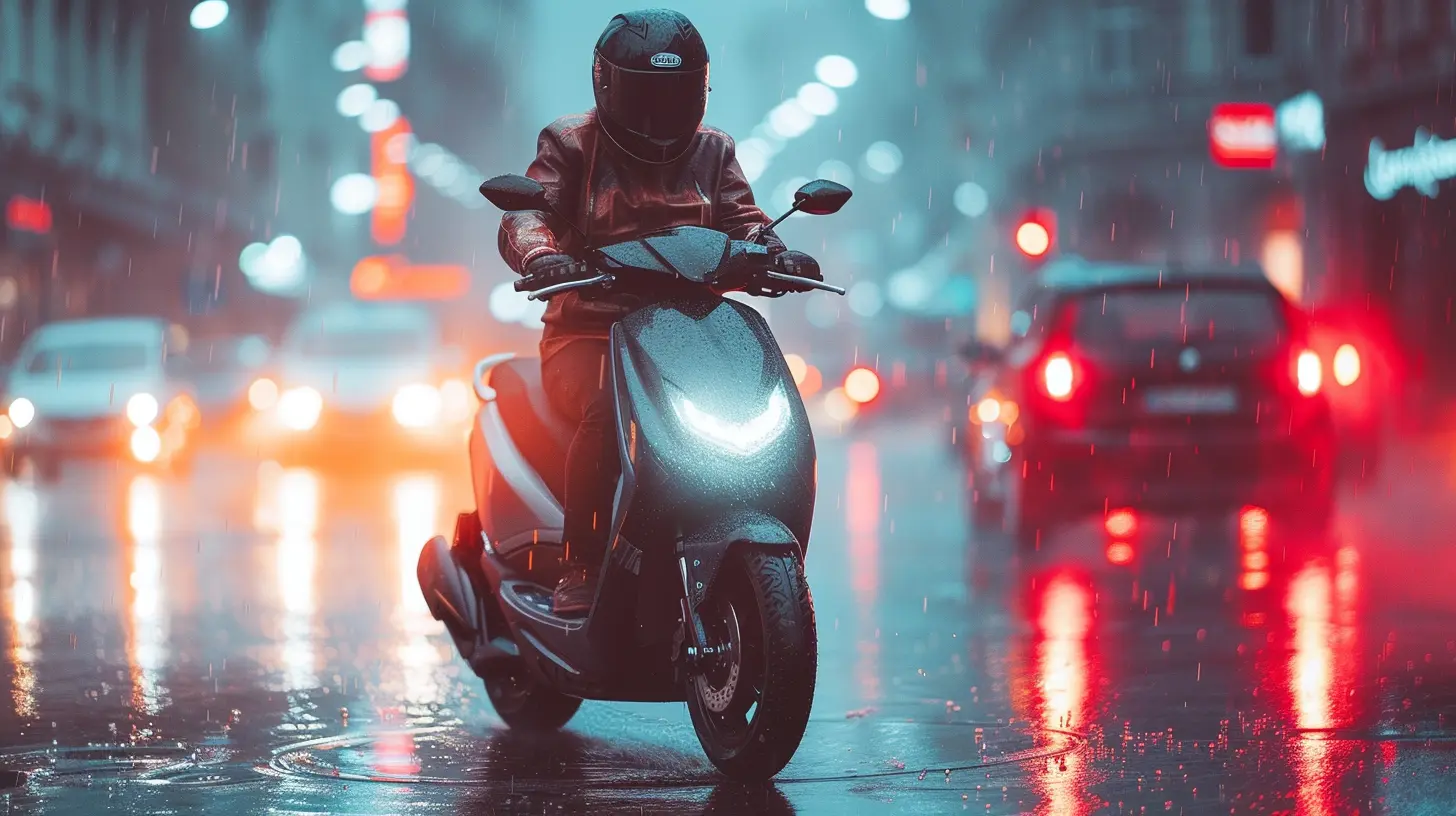
Why Electric Two-Wheelers Are Gaining Speed
Imagine never visiting a gas station again, never worrying about oil changes, and cruising through your city traffic in almost complete silence. Sounds dreamy, right? That's exactly where electric motorcycles and scooters come into play.Here are a few big reasons they're becoming more popular:
- Environmental awareness is growing – More people want clean transportation.
- Fuel prices are unpredictable – EVs help cut down day-to-day expenses.
- Governments are making moves – Incentives, rebates, and stricter emissions laws are nudging people toward electric.
- Tech has improved – Batteries last longer, motors are more powerful, and charging is faster.
Let’s break down each of these trends and see how they’re shaping the future.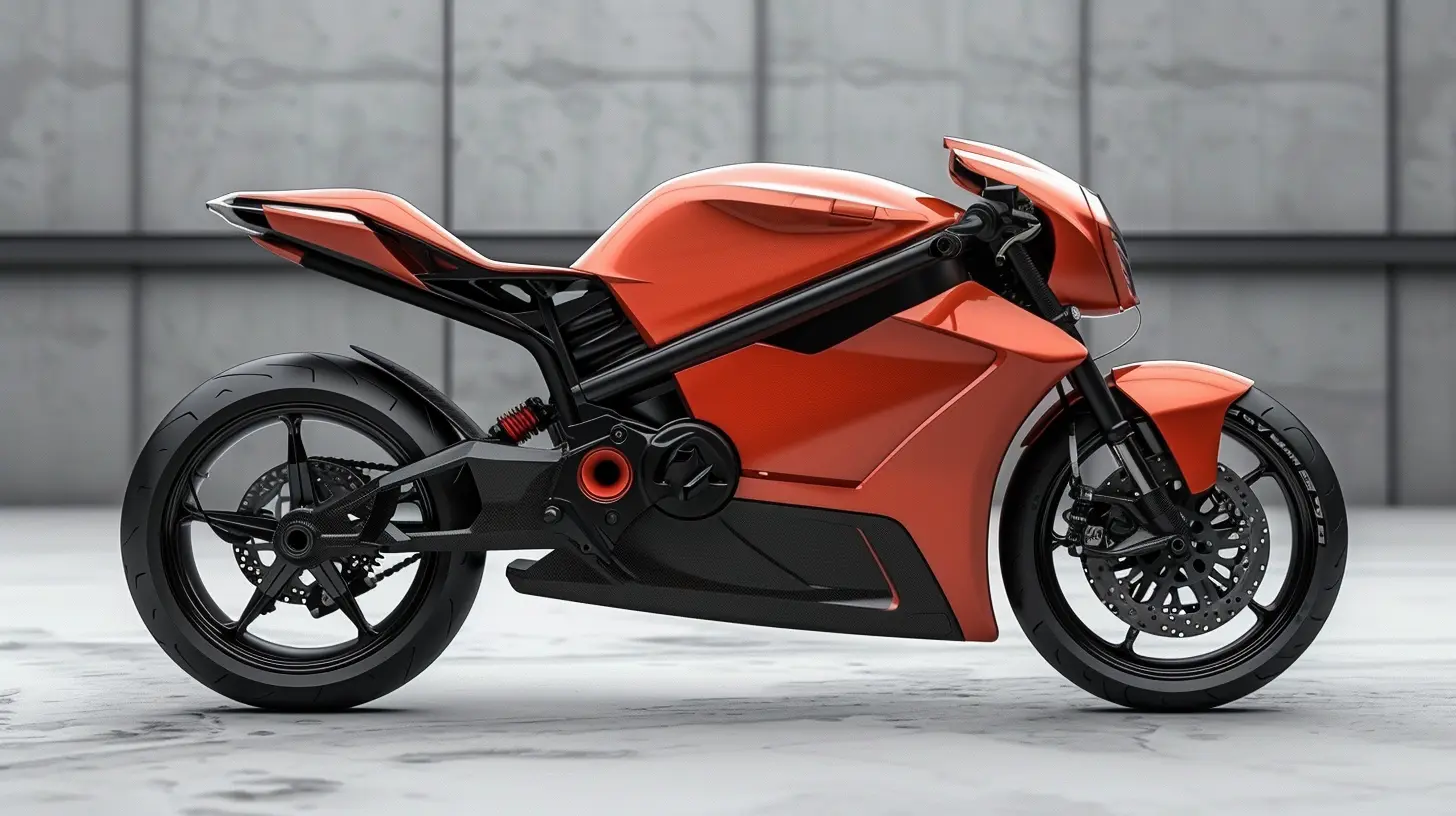
Battery Technology: The Silent Powerhouse
Batteries are the heart and soul of any electric vehicle. Think of them like the lungs of your bike—without them, there’s no breath, no power, and no go.In the past, the biggest gripe about electric scooters and motorcycles was their limited range and long charging times. But researchers and manufacturers are tackling that head-on:
- Lithium-ion batteries are becoming more efficient and compact.
- Solid-state batteries are on the horizon, promising even faster charging and greater capacity.
- Swappable battery systems are popping up in shared mobility markets.
We're also seeing innovations like regenerative braking (recharging on the go!) and AI-powered battery management systems that extend longevity.
So, is range anxiety still a thing? Honestly… not so much anymore.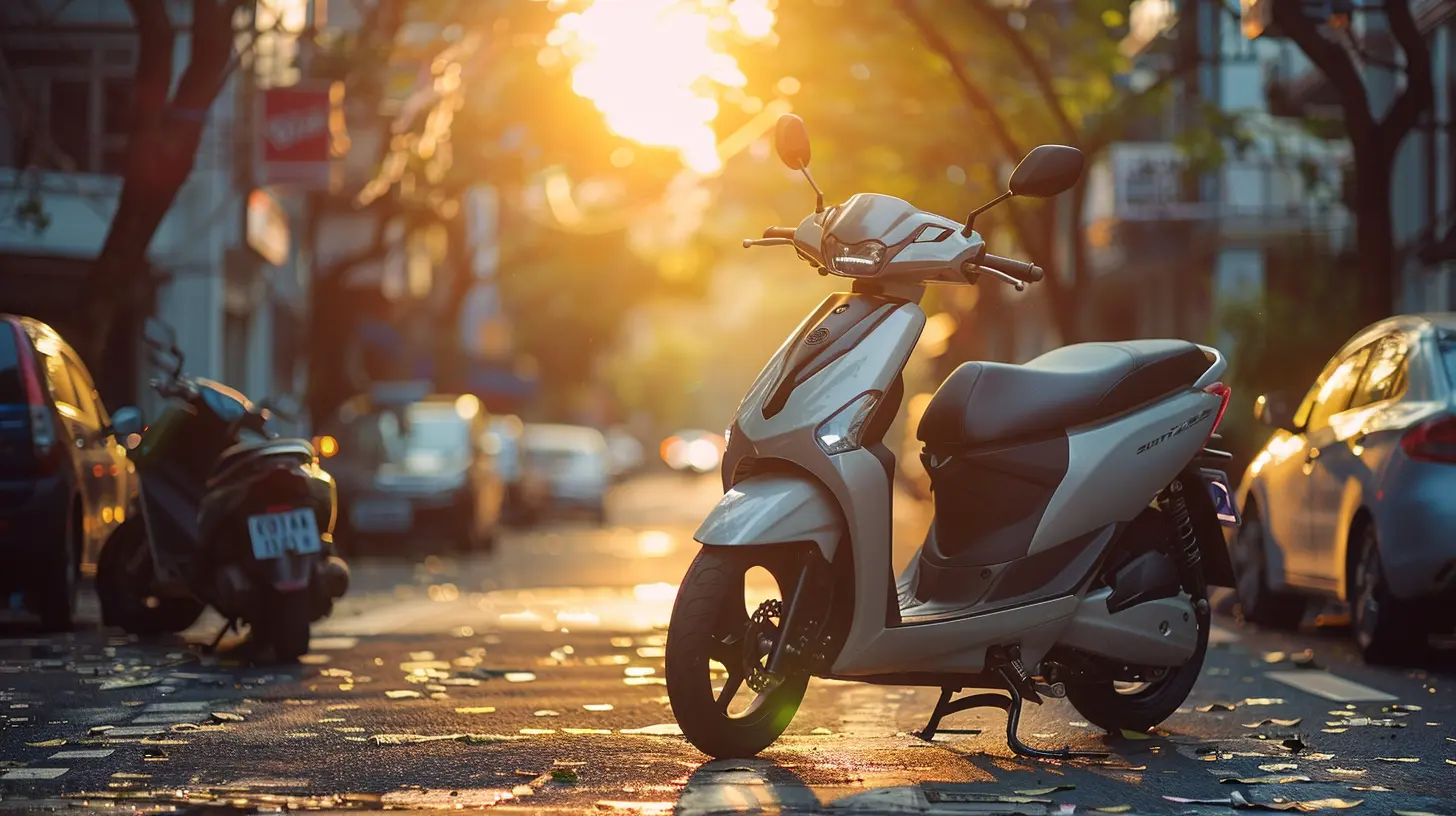
Performance: More Than Just a Silent Ride
Let’s be real—some folks hear “electric motorcycle” and imagine a glorified hair dryer on wheels. But the truth? Some of these rides can go toe-to-toe with traditional bikes in terms of speed and acceleration.No gears, instant torque, and seamless power delivery mean electric motos offer a whole new kind of experience.
Take the Zero SR/F or Harley-Davidson’s LiveWire for example. They’re fast, futuristic, and fun as hell to ride. And with no gears to shift through, the ride is smoother than butter.
So, whether you’re cruising around the city or burning rubber on a twisty mountain road, electric doesn't mean you're sacrificing thrill.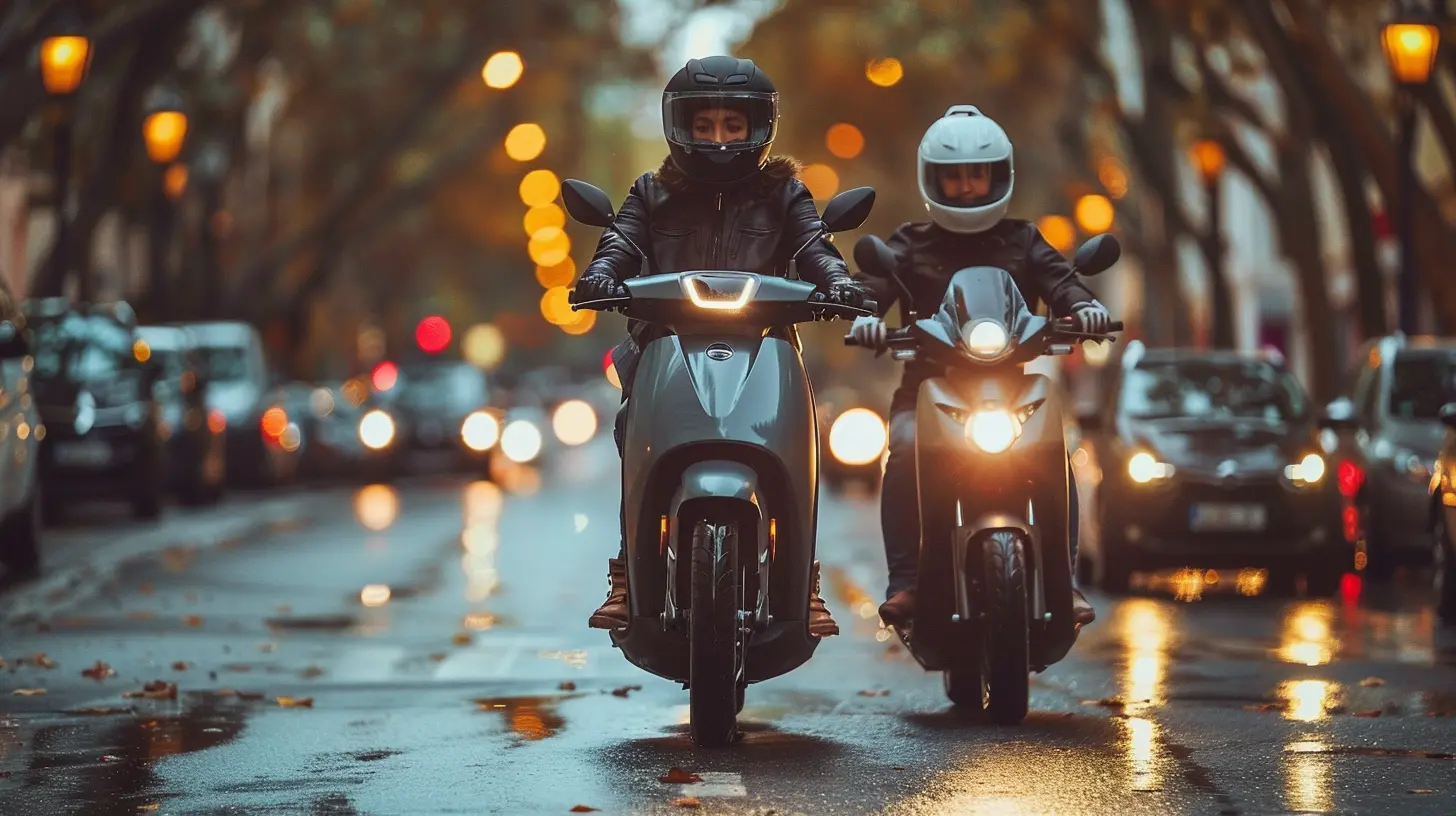
Charging Infrastructure: Closing the Gap
Of course, having an electric ride isn’t just about the bike—you need to charge it, too. And let’s be honest, charging stations aren’t yet as common as gas pumps.But that’s changing quickly.
- Cities are installing public charging stations at malls, parking lots, and street corners.
- Fast-charging hubs are rolling out along highways.
- Home charging units are more affordable and accessible than ever.
Better yet, companies like Gogoro are creating battery-swapping stations where you can pop in, swap out your dead battery for a full one, and be back on the road in under a minute. Pretty slick, right?
The Role of Government Policies and Incentives
We can’t ignore what’s happening at the policy level. Governments around the world are laying down the law—literally—to support electric mobility.Some ways they’re helping out:
- Tax credits and rebates for buying electric motorcycles and scooters.
- Zero or reduced registration fees and road taxes.
- Incentives for manufacturers to build greener, better machines.
In cities like Amsterdam and New Delhi, authorities are planning to ban all new gas-powered two-wheelers in the next 10-15 years. That’s a huge deal. It’s not a matter of “if” anymore—it’s “when.”
Urban Mobility: Electric Scooters Are Taking Over
For short, daily trips—think grocery runs or morning commutes—electric scooters are becoming the go-to choice. They're nimble, quick, and perfect for dodging traffic jams (and let’s be honest, no one wants to sit in traffic).Micromobility is the buzzword here. We're talking smaller, lighter vehicles designed for dense city living. And electric scooters fit the bill perfectly.
Plus, with app-based sharing services like Lime, Bird, and Spin, you don’t even have to own one to use one. Just scan, ride, and go.
The result? Fewer cars on the road, less pollution, and healthier cities.
Affordability: Getting Cheaper Every Year
One of the biggest hurdles for most people? The price tag. But don't sweat it—costs are dropping faster than a mic at the end of a diss track.- Battery cost per kWh has declined dramatically in the past decade.
- Production is scaling, which brings down prices.
- Used electric markets are starting to pop up.
In 2020, electric scooters were seen as a luxury item. But by 2030? They might just be the default option.
Design & Innovation: Futuristic and Functional
Forget boxy, boring two-wheelers. The new wave of electric motorcycles and scooters is sleek, smart, and downright sexy.Here’s what’s trending:
- Integrated touchscreens with navigation, music, and stats.
- Smartphone connectivity for remote start, battery monitoring, and diagnostics.
- Modular designs that let you swap parts and upgrade components easily.
- AI and machine learning that adapts ride settings based on your habits.
These aren't just rides—they’re smart devices on wheels. And they’re evolving fast.
Challenges That Still Need Solving
Alright, let's keep it real—it's not all sunshine and rainbows in EV world. There are still a few speed bumps ahead:1. Battery recycling – Making batteries is resource-heavy. Figuring out how to responsibly recycle them is critical.
2. Supply chains – Shortages in lithium and rare earth metals can slow down production.
3. Standardization – Different regions continue using different charging plugs and systems.
4. Resistance from traditionalists – Some bikers just love the roar of an engine. And hey, fair enough.
But even with these challenges, the momentum is undeniable. It’s like trying to stop a freight train with a paper towel.
What the Next 10 Years Could Look Like
So, what’s on the horizon from now till 2035? Grab your helmet—this is where it gets exciting.- Wireless Charging Pads: Park your scooter, and it charges wirelessly. No cords, no fuss.
- Self-riding scooters: Think pizza deliveries made by autonomous e-scooters.
- Hyper-personalized EVs: AI that adapts suspension, speed limits, and music based on your mood and habits.
- Ultra-light, foldable models: Pop 'em in your apartment or even take 'em on the subway.
And the biggest gamechanger? Full ecosystem integration. Your bike talks to your phone, your smart home, your city infrastructure—creating a seamless and smarter way to move.
Should You Make the Switch?
If you’re still on the fence about going electric, ask yourself:- Do you want to save money on gas?
- Are you done with maintenance headaches?
- Is reducing your environmental footprint important to you?
If you’re nodding your head, then maybe it’s time to take one for a spin. Start with a test ride. Feel the instant torque, the silence, the sheer coolness of it all. It might just change your perspective entirely.
Final Thoughts
The future of electric motorcycles and scooters is not just bright—it’s electric (pun completely intended). With rapidly improving tech, growing infrastructure, and skyrocketing demand, it’s clear that EVs on two wheels aren’t a passing trend.They’re here to stay.
So whether you're a weekend warrior, a city commuter, or just looking for a better way to zip around town, the electric revolution is calling. The only question left is—will you ride the wave?
all images in this post were generated using AI tools
Category:
Electric VehiclesAuthor:

Vincent Hubbard
Discussion
rate this article
2 comments
Tabitha McAdams
Great insights on the evolution of electric motorcycles and scooters! I'm excited to see how advancements in technology will shape sustainable urban transport in the coming years.
December 18, 2025 at 11:28 AM
Vincent Hubbard
Thank you! I'm equally excited to see how these innovations will transform urban mobility and promote sustainability.
Maren Alexander
Exciting potential, but infrastructure needed!
December 8, 2025 at 12:23 PM
Vincent Hubbard
Thank you! You're absolutely right—robust infrastructure is crucial for realizing the full potential of electric motorcycles and scooters.