The Future of EV Charging: What You Need to Know
29 December 2025
Electric vehicles (EVs) are no longer a distant dream or a plaything for the ultra-rich. They’ve arrived, and they’re here to stay. But there's a catch—charging them isn’t as seamless as filling up a gas tank. Yet, change is coming. The future of EV charging is set to revolutionize how we power our cars, making it faster, smarter, and more accessible.
So, what does the road ahead look like for EV charging? Buckle up, because we're about to take a high-voltage ride into the future.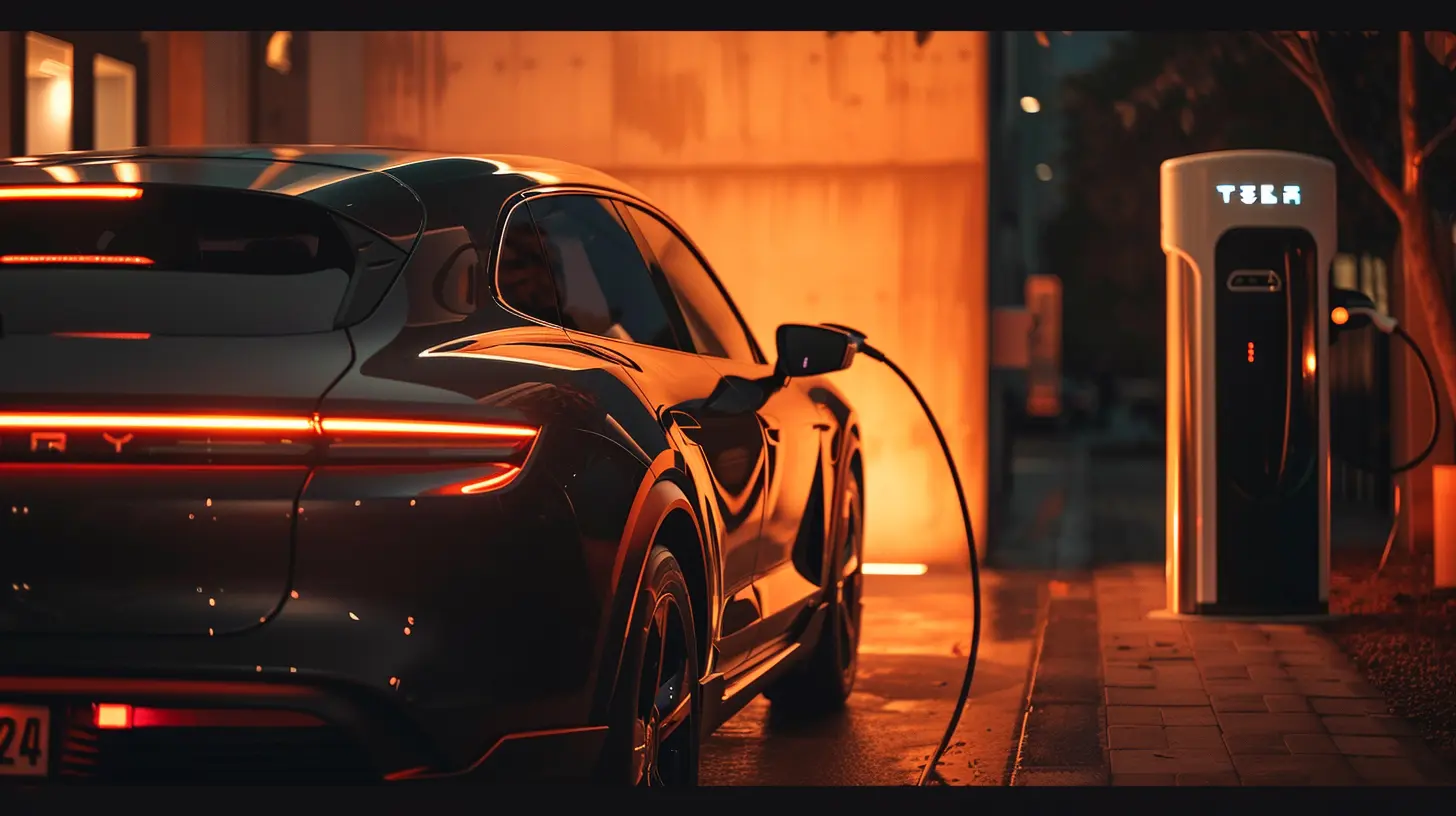
A Charging Revolution: Faster, Smarter, & More Efficient
Picture this: you’re on a road trip, low on battery, and instead of waiting for hours, your EV charges in mere minutes—just enough time to grab a coffee. Sounds like science fiction, right? Not anymore.Ultra-Fast Charging: Say Goodbye to Long Waits
The biggest gripe about EVs? Charging time. But thanks to innovations in ultra-fast charging, we're rapidly heading towards a world where charging an EV will be as quick as fueling a gas-powered car.- Solid-State Batteries – These futuristic batteries promise not only higher energy density but also lightning-fast charging speeds. We’re talking about going from 0% to 80% in under 10 minutes.
- High-Power DC Fast Chargers – Companies are developing chargers with power levels exceeding 350 kW, cutting down charging times significantly.
- Battery Preconditioning – Some EVs, like Tesla’s, already use this trick, warming up the battery before reaching a charger to ensure the fastest charge possible.
With these advancements, long road trips in an EV won’t feel like waiting for water to boil anymore.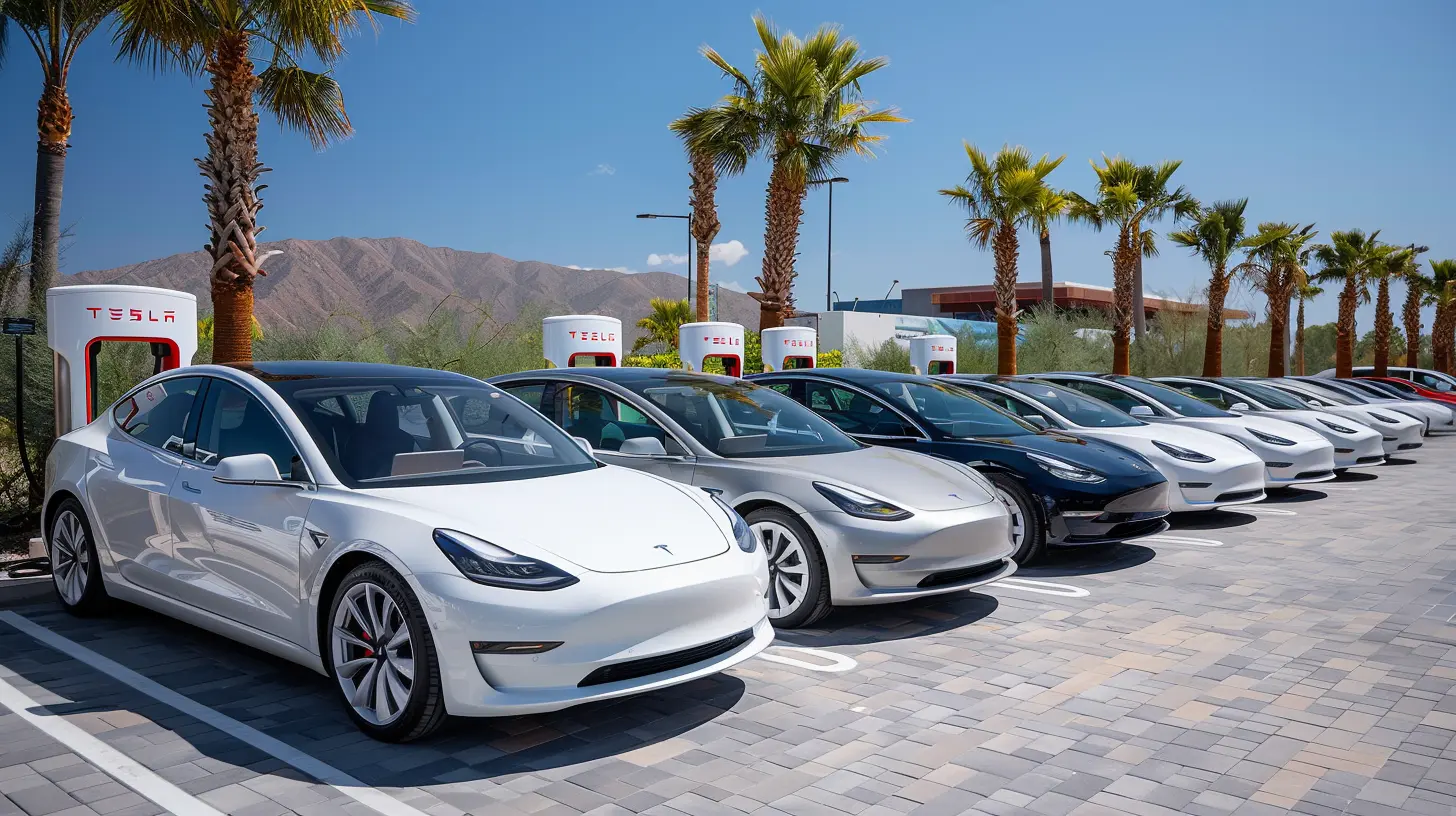
Wireless Charging: The End of Cables?
Imagine pulling into your driveway and your car starts charging—no cables, no plugging in, just magic. Well, almost magic.How Does It Work?
Wireless charging relies on electromagnetic induction, where energy is transferred between a charging pad on the ground and a receiver on the car.Why does this matter? Because convenience is king.
- No more fumbling with messy cables.
- Charging infrastructure can be embedded in roads, allowing for charging while driving.
- Reduced wear and tear on charging connectors.
Major car manufacturers and tech startups are already testing this technology, and in a few years, your EV might charge just by parking it.
Bidirectional Charging: Your Car as a Battery Backup
Ever thought of using your car to power your home? With bidirectional charging, that’s now a reality.Vehicle-to-Grid (V2G) & Vehicle-to-Home (V2H)
Bidirectional charging allows energy to flow both ways—your car can feed power back into the grid or even supply electricity to your home during blackouts.- V2G (Vehicle-to-Grid) – Helps balance energy demand by returning power to the grid during peak hours.
- V2H (Vehicle-to-Home) – Acts as a backup power source in case of an outage.
This means your EV isn’t just a car—it’s an energy powerhouse.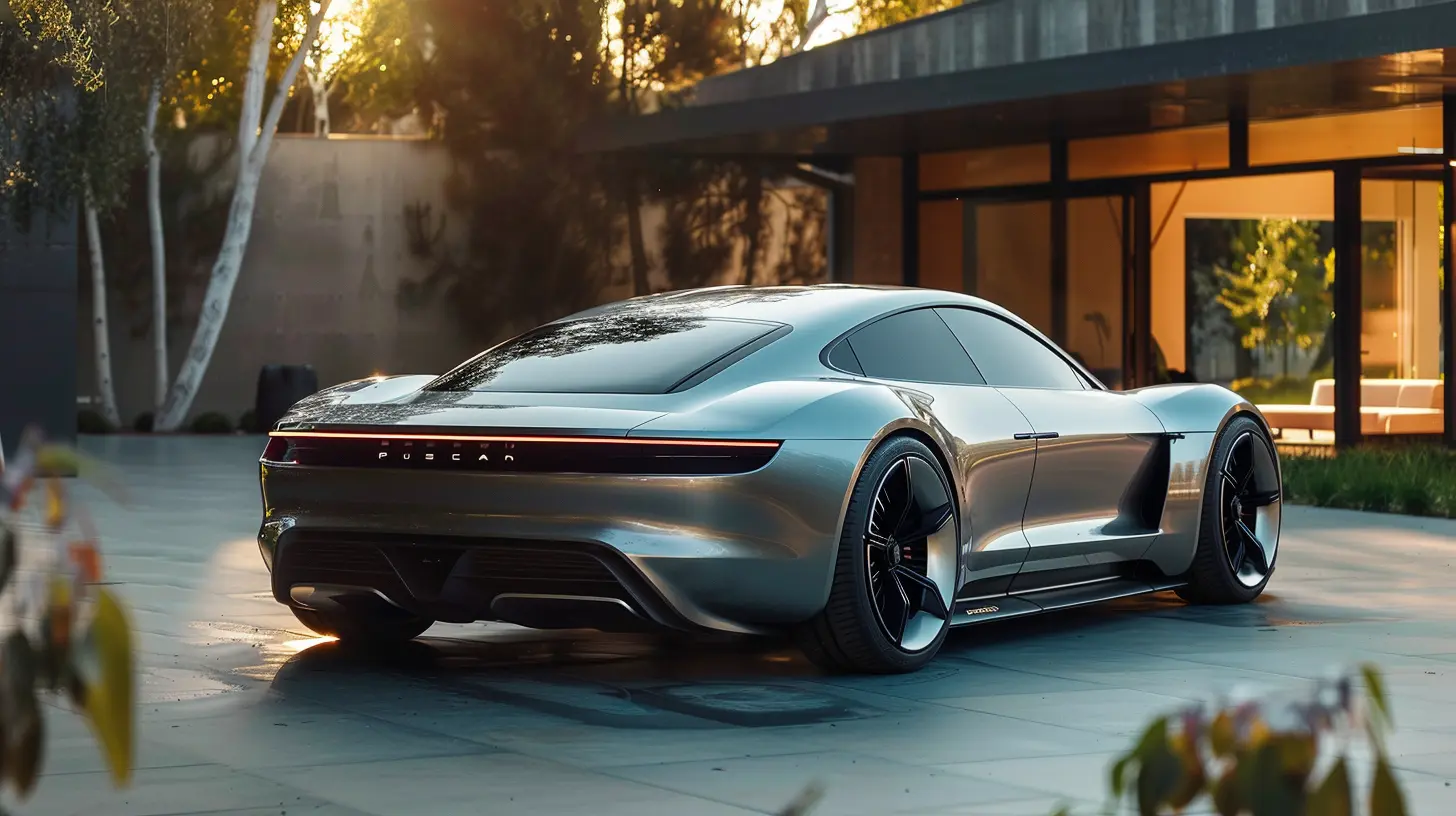
EV Charging Stations: The Gas Stations of the Future
Public charging stations are popping up everywhere, but they're still nowhere near as common as gas stations. That’s about to change.Widespread Charging Networks
Governments and private companies are rolling out ambitious plans to build thousands of charging stations worldwide. Companies like Tesla, ChargePoint, and Electrify America are leading the charge.- Highway Fast Charging Hubs – Similar to gas stations, but for EVs.
- Citywide Charging Poles – Integrating chargers into street lamps, parking lots, and office buildings.
- Retail & Destination Chargers – Malls, hotels, and restaurants offering charging as a perk.
With this rapid expansion, range anxiety will soon be a thing of the past.
Renewable Energy & EV Charging: A Green Marriage
Charging an EV with electricity from coal-fired plants defeats the purpose of going green. That’s why renewable energy is becoming a crucial part of the charging ecosystem.Solar & Wind-Powered Charging Stations
Instead of relying solely on the grid, many charging stations are integrating solar panels and wind turbines. This reduces dependency on fossil fuels and keeps EVs genuinely eco-friendly.Imagine driving an EV that runs on sunlight—nature’s very own power source.
AI & Smart Grids: Optimizing Charging for the Masses
The future of EV charging isn’t just about hardware—it’s about intelligence.Smart Charging with AI
Artificial Intelligence (AI) is making charging smarter and more efficient by:- Predicting charging demand to prevent grid overloads.
- Scheduling the best charging times based on electricity rates.
- Optimizing routes for road-trippers to hit the fastest chargers.
Grid Integration
As EV adoption grows, the electricity grid needs to keep up. Smart grids will play a starring role in managing demand and ensuring stable power distribution.Think of it as a self-regulating highway system for electricity—keeping energy flowing smoothly without congestion.
Battery Swapping: A Quick Fix for Long Waits?
While fast charging is improving, an alternative solution exists—battery swapping.How Does Battery Swapping Work?
Instead of waiting for your battery to charge, you simply exchange it for a fully charged one at a swapping station. The process takes minutes, not hours.Companies like NIO are already testing this concept, and if it scales up, it could reshape the entire charging landscape.
Challenges & Roadblocks: What’s Holding Us Back?
While the future of EV charging looks bright, there are still hurdles to overcome.1. Infrastructure Gaps
The charging network isn’t yet robust enough to support mass EV adoption—especially in rural areas. More investment is needed.2. Compatibility Issues
Not all EVs use the same charging standards. While Tesla uses its proprietary Superchargers, other brands rely on CCS or CHAdeMO plugs. Universal design is key.3. Grid Load & Energy Demand
An EV-filled world will put pressure on power grids. Renewable energy solutions and smart grid tech will need to evolve in parallel.4. Cost & Accessibility
Fast chargers are expensive to install, and not everyone has access to home chargers. Making EV charging affordable and accessible for all is crucial.Final Thoughts: Is the Future Ready for EVs?
The road to an EV-powered future is filled with twists and turns, but one thing is certain—charging is evolving fast.With ultra-fast charging, wireless solutions, bidirectional energy flow, and smart AI-driven grids, the way we power our cars is changing forever. Soon, plugging in your EV will be as easy and effortless as connecting your phone to a charger.
So, are you ready for the future of EV charging? Because it’s speeding toward us faster than you think.
all images in this post were generated using AI tools
Category:
Electric VehiclesAuthor:

Vincent Hubbard
Discussion
rate this article
2 comments
Presley Ramos
Great insights! Understanding the future of EV charging is essential for embracing sustainable transportation. Exciting advancements are on the horizon, making it easier and more convenient for everyone to transition to electric vehicles. Keep up the fantastic work sharing this important information!
January 12, 2026 at 8:55 PM
Vincent Hubbard
Thank you for your kind words! I’m glad you found the insights valuable. Exciting times are ahead for EV charging and sustainable transportation!
Jillian Spencer
Absolutely loved this article! With all the exciting advancements in EV charging, it’s reassuring to see the future is bright and accessible. Can’t wait to see how these developments make charging even easier for all of us!
December 31, 2025 at 5:14 AM
Vincent Hubbard
Thank you! I'm glad you enjoyed it. Exciting times ahead for EV charging!