The Impact of Wireless Charging on Device Design and Portability
5 June 2026
Let’s be real—cables are a pain. They're always tangled, too short, in the way, or just mysteriously missing when you need them the most. In a world where we demand convenience, speed, and slick design, wireless charging is no longer just a cool add-on. It’s a game-changer. It’s reshaping the way we use, carry, and even think about our mobile devices.
So, how has wireless charging sneaked its way into the spotlight, and what kind of ripple effect is it having on the tech design world? Buckle up, because we’re diving deep into how cutting the cord is making your devices slimmer, smarter, and way more travel-friendly.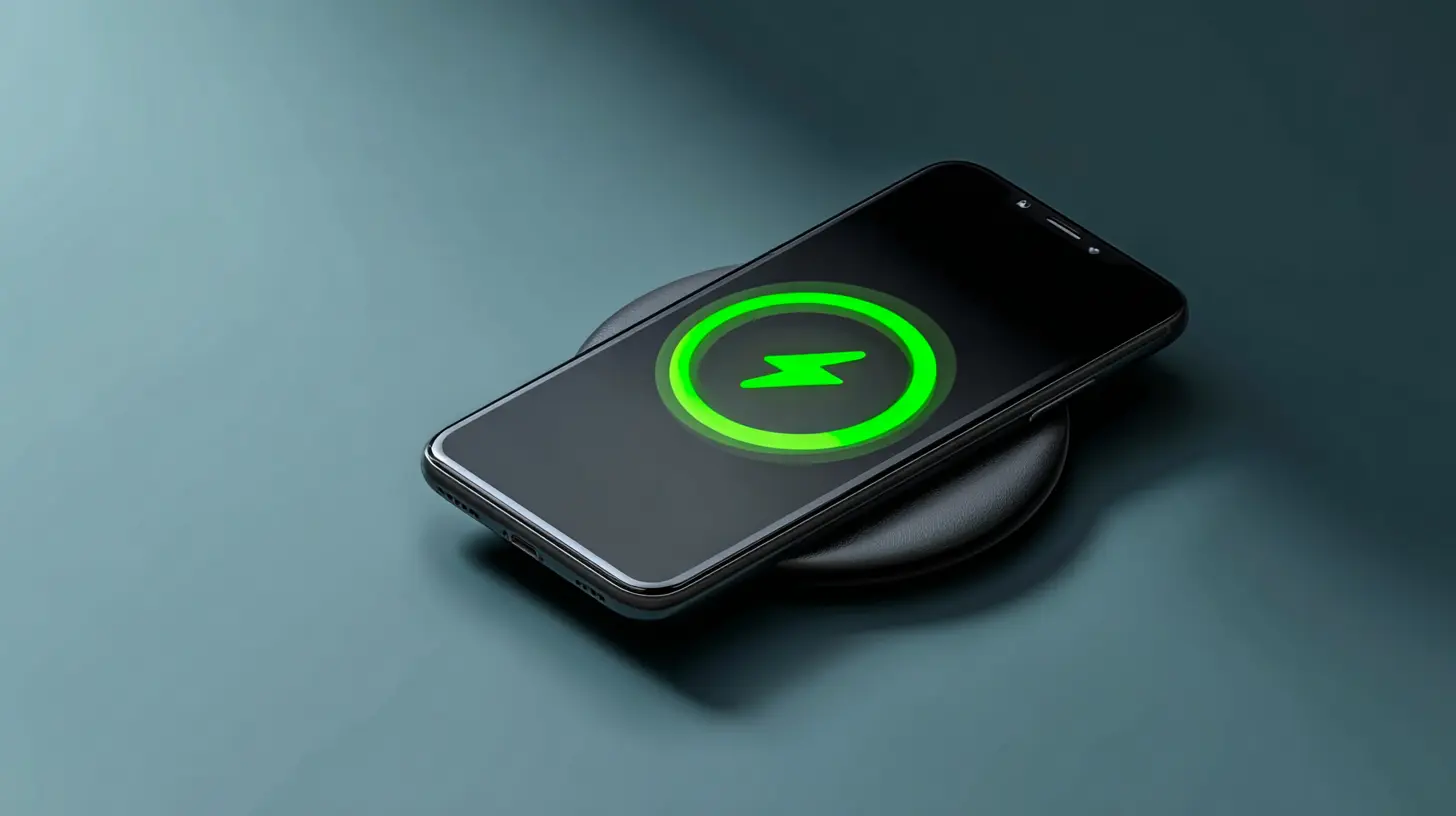
The Evolution of Charging: From Wired to Wireless
First, let’s take a quick walk down memory lane.It started with bulky wall adapters and USB-A cords. Remember those days? You'd fumble for the right cable, sometimes even the right direction to plug it in, and don’t get me started on the heartbreak when the port wears out.
Fast forward to now—wireless charging is everywhere. Coffee shops, airports, cars, furniture—you name it. All thanks to technological strides that have made wireless power a viable, efficient, and (let’s be honest) super cool feature.
But this evolution isn’t just about ditching cords. It’s about reimagining what our devices can look like and how we interact with them.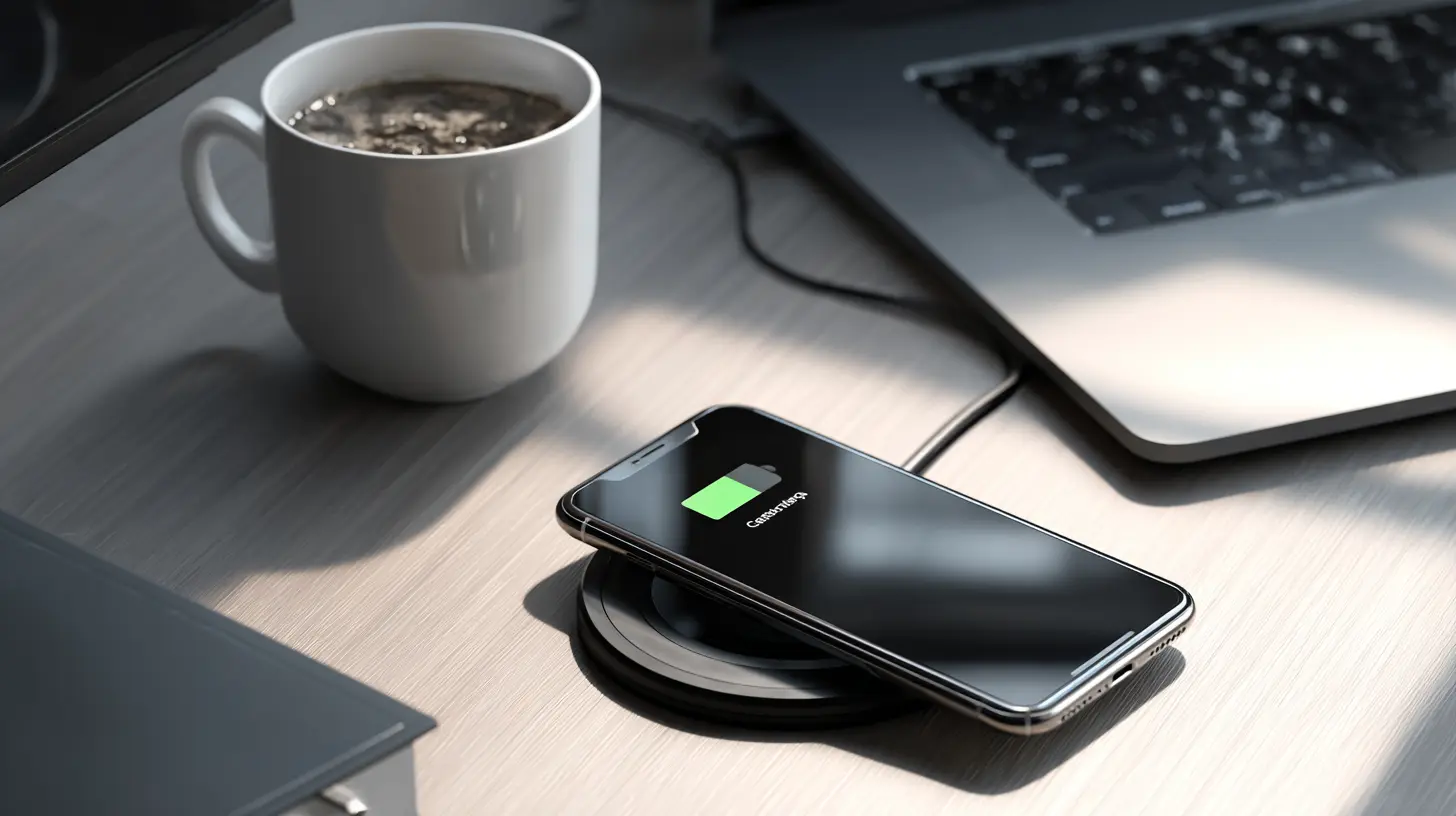
How Wireless Charging Works (In Simple Terms)
Before we geek out about design, let’s give wireless charging a quick moment in the spotlight.Wireless charging uses electromagnetic induction. Basically, there’s a charging pad with a coil that generates an electromagnetic field. Your phone, smartwatch, earbuds—or any compatible device—also has a small coil. When you place your device on the pad, the magic happens: energy gets transferred wirelessly. No cables, no fuss.
You're trading physical connections for energy flow through the air. Kind of like how your Spotify playlist goes from your phone to your Bluetooth speaker without a wire.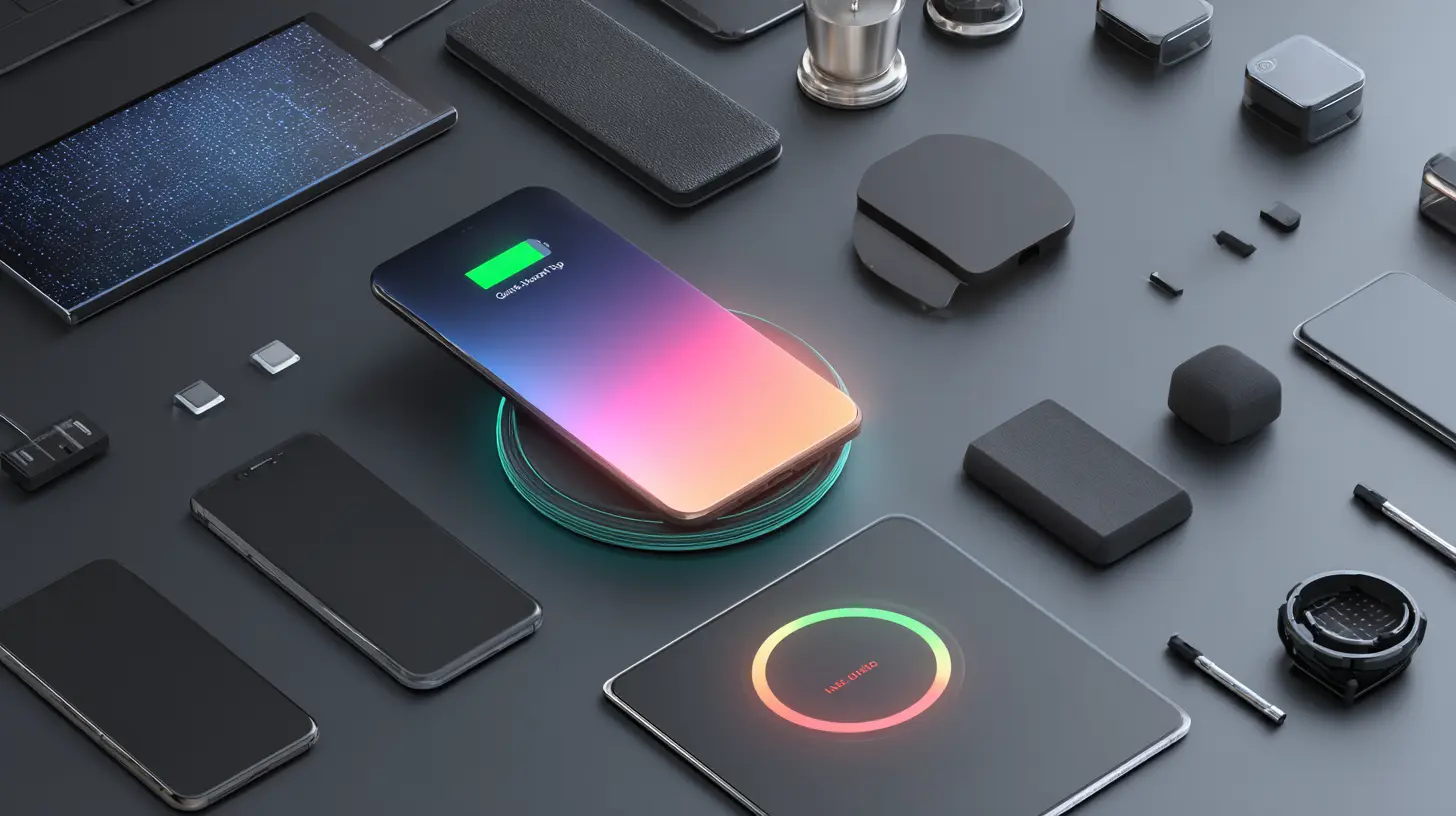
The Tangled Past: Challenges with Wired Charging Designs
Wired charging dictated design boundaries for years. Why?1. Ports take up space: Every charging port is a design compromise. It requires internal components, structural support, and leaves space for potential failure (dust, water, wear and tear).
2. Limiting form factor: Want ultra-thin devices? Not so fast. You need to keep ports accessible and intact, which sets physical limits.
3. Durability issues: Let's be honest—we’ve all ruined at least one phone because the charging port gave up.
This dependency on wired power was holding device design hostage.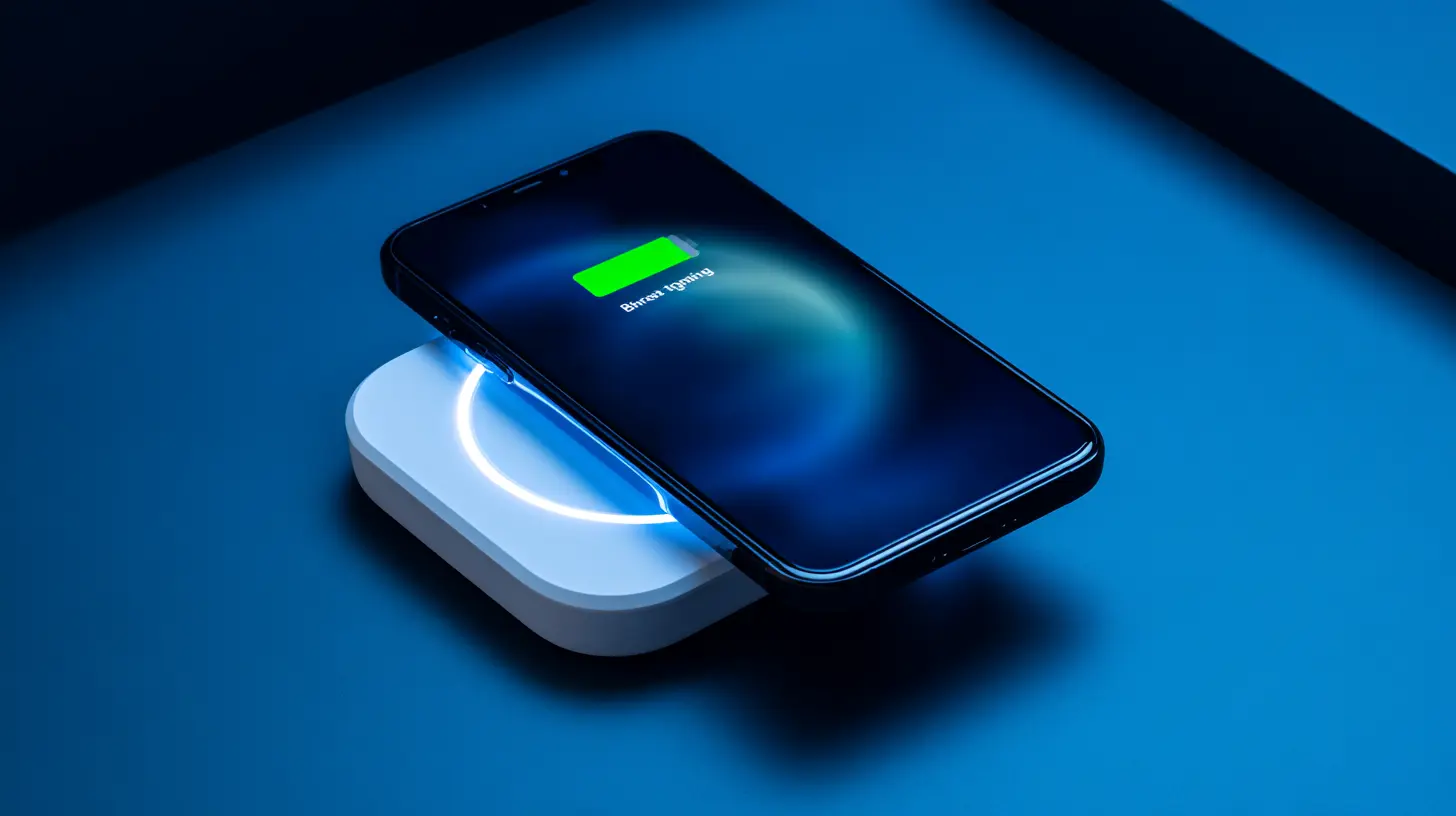
The Design Revolution: What Wireless Charging Set Free
Here’s where things started to get exciting.Wireless charging freed designers from the tyranny of the port. No need to build around a physical connector? That’s a dream come true.
1. Sleeker Form Factors
With fewer internal components dictated by wired charging needs, manufacturers can cut out the bulk. Thin, seamless designs are now more achievable than ever. Think edge-to-edge glass and uninterrupted surfaces.Some concepts are ditching all ports altogether. Portless smartphones? Yep, they’re real—and wireless charging is the enabler.
2. Water and Dust Resistance
Ever seen the IP68 rating on your device?Fewer ports = fewer entry points for water and dust. That gives manufacturers more freedom to build rugged devices without ugly flaps or seals. It’s why new devices are better suited for beach days, hiking trips, and the occasional accidental drop in the sink.
3. Modular and Integrated Design Aesthetics
Wireless charging opened the door to devices that are one solid, beautiful unit. No awkward port cutouts ruining a minimalist design. Devices become more than tools—they're fashion statements.Take smartwatches, for example. Charging is done through smooth magnetic pads built directly into the back, no extra protrusions needed.
Portability Meets Wireless Freedom
Imagine powering your phone by just placing it on your car console or slipping it into a backpack pocket with a charging pad built-in. That's where we're headed.1. Travel Simplified
Tired of packing multiple chargers and cables for vacations or work trips? Wireless charging pads now support multiple devices at once—phone, earbuds, smartwatch—all from one mat. You’re lightening your load and simplifying your routine.2. On-the-Go Charging Solutions
Portable wireless chargers and power banks are becoming increasingly common. They eliminate the awkward dance of aligning a cable while holding your phone, letting you keep scrolling, texting, or streaming while charging.3. Embedded Charging in Everyday Life
Now we’re venturing into sci-fi territory. Charging pads are built into furniture—tables at Starbucks, armrests in cars, even IKEA nightstands. Your tech gets juiced while you sip your coffee. It doesn’t get more convenient than that.Wireless Charging: More Than Just Phones
Here’s the kicker—this isn’t just about smartphones.1. Smartwatches and Wearables
Ever tried plugging a tiny charger into a smartwatch at night with sleepy eyes? Not fun. Magnetic wireless charging cradles make this a breeze. And it paves the way for even smaller, more ergonomic wearables.2. True Wireless Earbuds
The case of your earbuds doubles as a wireless-charging-enabled power bank. Slim, pocketable, and stylish—this would be a nightmare to design with a port in mind.3. Laptops and Tablets
Yes, even larger devices are joining the wireless charge party. While adoption is slower here due to higher power needs, advancements in wireless power delivery are catching up fast. Expect to see port-free laptops sooner than you think.The Environmental Angle: Design Meets Sustainability
Another cool benefit? Less reliance on cables could mean less e-waste.How many old cables are sitting in your drawer right now? Multiply that by millions of users—yeah, it's a lot. With universal wireless standards like Qi, one charger works for many devices. That means fewer cables produced, bought, and discarded.
Portless designs are also easier to waterproof, which means fewer devices suffering irreversible damage. Translation: longer device lifespans.
Challenges: Not All Smooth Sailing
Of course, it's not all roses.- Charging Speed: Wireless charging is getting faster, but it’s still not quite at the same level as wired fast charging in many cases.
- Heat Management: Wireless charging generates more heat, which can affect battery health if not managed properly.
- Placement Sensitivity: You’ve got to hit the “sweet spot” on the charging pad, or it may not charge at all.
But here's the good news: tech companies are solving these issues as we speak. Better cooling systems, smarter coils, and faster protocols are rolling out.
The Future is Truly Wireless – And It’s Glorious
Wireless charging is more than just a convenience; it's a symbol of where tech is heading—towards frictionless interaction, seamless design, and ultimate mobility.Imagine this: your phone charges whenever you’re within reach of a table, a desk, or even a room equipped with long-range wireless charging. No setting it down, no plugging it in. Just pure, invisible, effortless energy transfer.
We’re not just talking about new ways to power your devices here—we're witnessing the birth of a new design philosophy. Technology that bends to your life, not the other way around.
Final Thoughts: A Tangled Past, a Wireless Future
Wireless charging is more than a trend—it’s a transformation. It’s rewriting the rules of device design and redefining portability. It’s about making our tech experience smoother, simpler, and stylish as heck.Think of it like switching from dial-up to fiber internet. Once you cut the cord, there's no going back.
Sure, we’re still ironing out a few kinks. But the path forward is clear: fewer cables, more freedom. And honestly? That future looks pretty freaking awesome.
So, next time you drop your phone effortlessly onto a charging pad, take a moment to appreciate the silent revolution happening beneath it. Because that tiny, glowing circle is the heartbeat of the wireless design era.
all images in this post were generated using AI tools
Category:
Wireless ChargingAuthor:

Vincent Hubbard
Discussion
rate this article
2 comments
Gideon Young
Wireless charging: the ultimate excuse for forgetting your charging cable. Who knew convenience could come with the added bonus of never finding that elusive plug again?
July 20, 2026 at 3:59 AM
Quorra Lambert
Wireless charging certainly enhances convenience, but it risks encouraging thicker devices due to added components and heat management. As designers balance aesthetics and functionality, user needs must remain central to innovation in portability.
June 21, 2026 at 3:18 AM
Vincent Hubbard
You raise a solid point about the trade-offs between convenience and device thickness. It's crucial for designers to keep user needs in focus while navigating these challenges.