The Importance of Using a VPN for Online Security
24 March 2026
Let’s face it—we live in a world where our lives are as digital as they are physical. From scrolling through social media to managing online banking, our internet presence is massive. But here’s the thing: with great connectivity comes great vulnerability. Every time you hop on public Wi-Fi, stalk your ex on Instagram (hey, no judgment), or even just browse for new sneakers, you’re leaving digital footprints. And guess what? Hackers, snoops, and even your own internet service provider (ISP) are watching.
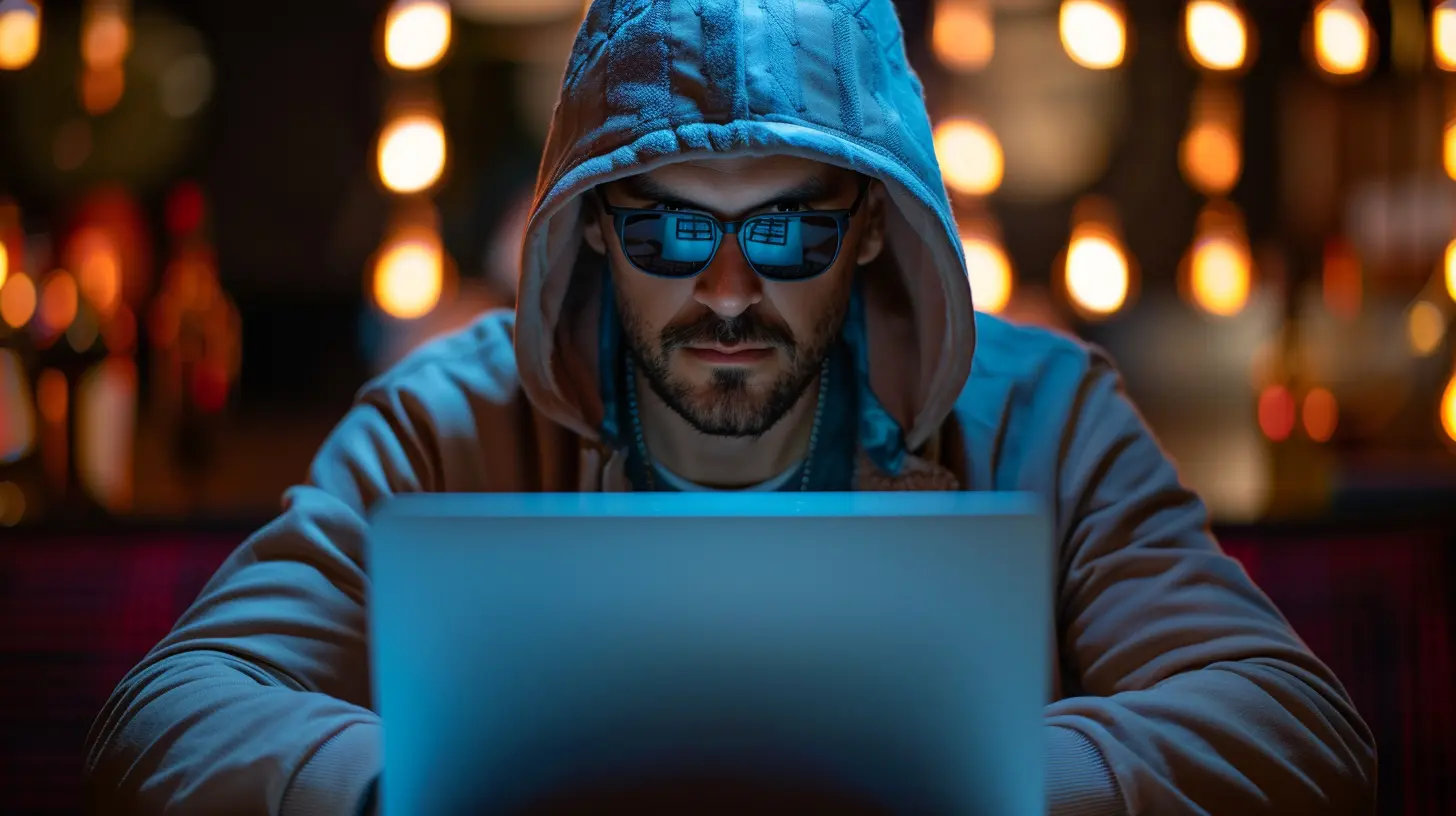
That’s where a VPN, or Virtual Private Network, swoops in like a superhero in a hoodie.

What Is a VPN and Why Should You Care?
Before we dive deep, let’s make sure we’re on the same page. A VPN is like your invisibility cloak for the internet. It masks your IP address (your digital home address) and encrypts your online traffic. In simpler terms? It hides your online actions from prying eyes. Think of it as sending your internet data through a secret tunnel where no one else can see what’s inside.Without a VPN, you're basically shouting your private info through a loudspeaker in a crowded room. Anyone with the right tools can tune in. With a VPN, though, you’re whispering through a locked, soundproof booth—safe, secure, and private.
Why Online Security Is More Important Than Ever
Let’s get real for a minute. Cyber threats are not just something you see in movies. They’re real, and they’re growing. From identity theft to ransomware attacks, the online world can be a bit of a digital jungle.Here are some scary but true facts:
- Over 30,000 websites are hacked daily.
- A ransomware attack occurs every 11 seconds.
- Most breaches involve some form of data theft.
Now, we’re not trying to spook you here—but if you’re not taking digital security seriously, you’re playing with fire. And we all know how that ends.
How a VPN Shields You Like a Digital Bodyguard
So, what exactly does a VPN do that makes it your online best friend?1. Keeps Your Personal Info Private
Every time you go online without a VPN, your data packets are out there in the open. Your emails, passwords, bank details—the whole nine yards. A VPN encrypts this data, turning it into unreadable gibberish for anyone trying to intercept it.It’s like putting your data into a fortune cookie and then sealing it in a safe. Even if someone intercepts it, they’ll have no clue what it says.
2. Protects You on Public Wi-Fi
You know that sketchy coffee shop Wi-Fi you like to use? Yeah, it may be free, but it’s also dangerously insecure. Connecting to public networks without protection makes it ridiculously easy for hackers to snoop on your activity.A VPN locks down your connection like Fort Knox. Even on public Wi-Fi, your data stays protected.
3. Hides Your Browsing History from ISPs
Let’s be honest—your ISP doesn’t need to know you've been researching the weird side of Reddit at 2 AM. Without a VPN, they can track every website you visit, how long you stay there, and even sell that info to advertisers.A VPN blocks them from peeking. Your browsing habits stay your business.
4. Bypasses Geo-Restrictions
Want to binge-watch shows that aren’t available in your country? Been there. With a VPN, you can spoof your location and access content as if you were physically in another country. It’s basically teleportation for your IP address.5. Prevents Price Discrimination
Did you know that some websites show different prices based on your location? That’s sneaky, right? A VPN lets you change your virtual location and potentially score better deals on flights, hotels, and even online shopping.
VPNs and Work-from-Home Security
Remote work is the new normal. But it also means your company data is flying across the web. VPNs aren't just for personal use; they’re critical for business too.With a VPN, you’re adding a secure barrier between sensitive company data and potential cybercriminals. Plus, remote workers can access files and platforms safely, no matter where they are in the world.
It’s like giving every employee a personal vault for their data. Security? Check.
Choosing the Right VPN – Not All Are Created Equal
Now, don’t just download the first free VPN you see on the app store. Some of them are shady as heck—logging your data or slowing your connection to a crawl.Here’s what to look for in a solid VPN:
- No-logs policy: They shouldn’t store your data, ever.
- Strong encryption: Look for 256-bit AES encryption. It’s military-grade stuff.
- Kill switch: If the VPN connection drops, it cuts your internet to keep your data safe.
- High-speed connections: You shouldn’t have to sacrifice speed for security.
- Multiple servers and countries: Gives you more options to spoof your location and enhances speed.
Some popular options? ExpressVPN, NordVPN, and Surfshark often top the charts for a reason.
Common Myths About VPNs – Let’s Set the Record Straight
We get it—there’s a lot of misinformation out there. So let’s bust some VPN myths wide open.“Only hackers use VPNs”
Wrong. In today’s digital age, using a VPN is just smart. It’s like using antivirus software or locking your front door. You don’t have to be doing anything sketchy to want privacy.“VPNs slow down your connection”
While some VPNs can reduce speed slightly, high-quality ones are optimized for performance. You probably won’t even notice the difference.“I don’t do anything important online, so I don’t need one”
Even if you're just watching cat videos and emailing grandma, your info can still be intercepted. Think of a VPN as wearing a seatbelt—you might not crash, but it’s good to have just in case.When Should You Use a VPN?
Here’s a better question: when shouldn't you?To keep it simple, here are situations where a VPN is a must:
- On public Wi-Fi
- While working remotely
- While shopping or banking online
- Streaming content or bypassing geo-blocks
- Torrenting (safely and legally, of course)
- Traveling abroad and accessing local content
Even at home, a VPN adds an extra layer of protection. So really, the answer is: all the time.
The Emotional Power of Privacy
Beyond the tech talk, let’s talk feelings. Ever feel like you’re constantly being watched online? That unsettling sense that your data is being mined, monitored, or even sold?A VPN doesn’t just protect your data—it gives you peace of mind.
You're reclaiming control in a world where digital surveillance feels ever-present. You’re saying, “Hey, my privacy matters.” And that, my friend, is empowering.
Taking the First Step Toward Digital Freedom
If all this sounds overwhelming, don’t sweat it. Starting with a VPN is insanely easy. Most providers have apps for your phone, laptop, tablet—you name it. Setup? Usually less than five minutes.Using a VPN doesn’t mean you have something to hide. It means you have everything to protect.
Final Thoughts: Secure Your Online Life Today
Let’s not kid ourselves—the internet is both a treasure chest and a minefield. Whether you’re an avid Netflix binger, remote worker, online shopper, or all of the above, a VPN is your best bet for staying safe, private, and in control.It’s like wearing digital armor in a world full of arrows. You wouldn’t walk into battle unprotected, right? So why surf the net without a shield?
So go ahead, take the leap. Download a trusted VPN, flip that switch, and breathe a little easier. Because online security isn’t just a nice-to-have anymore—it’s a must.
all images in this post were generated using AI tools
Category:
Online SecurityAuthor:

Vincent Hubbard
Discussion
rate this article
2 comments
Melanie Reynolds
Surfing the web without a VPN? That's like walking a tightrope without a safety net! Keep your data safe and your browsing breezy—grab a VPN today!
March 28, 2026 at 5:37 AM
Vincent Hubbard
Absolutely! Using a VPN is essential for protecting your data and ensuring safe, private browsing. Don't surf without it!
Sylvan Alvarez
Using a VPN is essential for anyone serious about online security. It encrypts your data, protects your privacy, and shields you from cyber threats. In today's digital landscape, overlooking this crucial tool is a mistake. Prioritize your safety and make a VPN a non-negotiable part of your online activities.
March 25, 2026 at 2:00 PM
Vincent Hubbard
I completely agree. A VPN is key to maintaining privacy and security in our increasingly connected world. It's a simple step that makes a big difference.