The Pros and Cons of Wireless Charging in Your Car
16 March 2026
Wireless technology is taking over our daily lives, from smartphones to earbuds, and even how we charge our devices. One of the latest conveniences is wireless charging in cars. Imagine driving without the hassle of tangled cords or worrying about whether you have the right cable for your phone. Sounds great, right? But is it all sunshine and rainbows?
Like any new technology, wireless charging in vehicles comes with its fair share of pros and cons. Whether you're thinking of upgrading your car or buying a new one with a built-in charging pad, let's break down the good, the bad, and the things you should consider before making the switch. 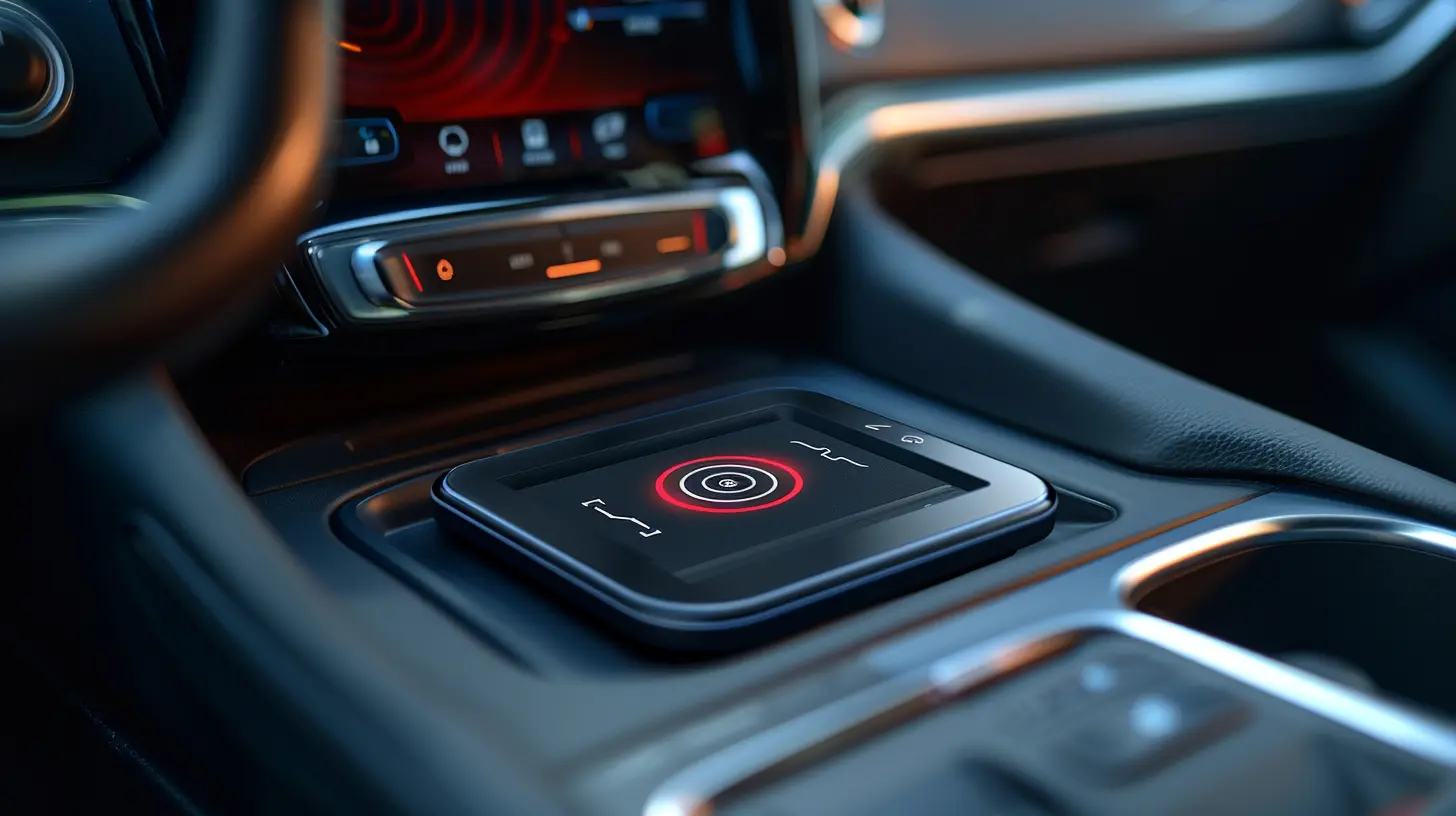
✅ The Pros of Wireless Charging in Your Car
1. No More Messy Cables
One of the biggest advantages of wireless charging in your car is getting rid of messy cables. No more fumbling around in the center console, trying to find the right charger, or dealing with frayed wires that stop working at the worst possible time. You just drop your phone on the pad, and it starts charging.2. Convenience at Its Best
Ever been in a rush and forgot to plug in your phone? With a wireless charging pad, you simply place your phone down, and it charges automatically. It removes the extra step of connecting cables and makes charging effortless—especially during short trips when every bit of power counts.3. Less Wear and Tear on Charging Ports
Charging cables not only clutter your space but also wear out over time. Constantly plugging and unplugging can damage your phone’s charging port, leading to expensive repairs. Wireless charging eliminates this problem by reducing physical contact with the port, keeping your device in better condition for longer.4. Enhanced Safety While Driving
Fiddling with cables while driving can be dangerous. Wireless charging allows you to simply place your phone on the pad and forget about it, minimizing distractions. Some vehicles even integrate wireless charging with Android Auto and Apple CarPlay, so you can access navigation and music seamlessly while keeping both hands on the wheel.5. Sleek and Modern Aesthetics
Wireless charging pads often blend seamlessly into your car’s interior, providing a clean, modern look. No more dangling cables sticking out of your dashboard—just a smooth, built-in charging area that enhances the overall design of your car.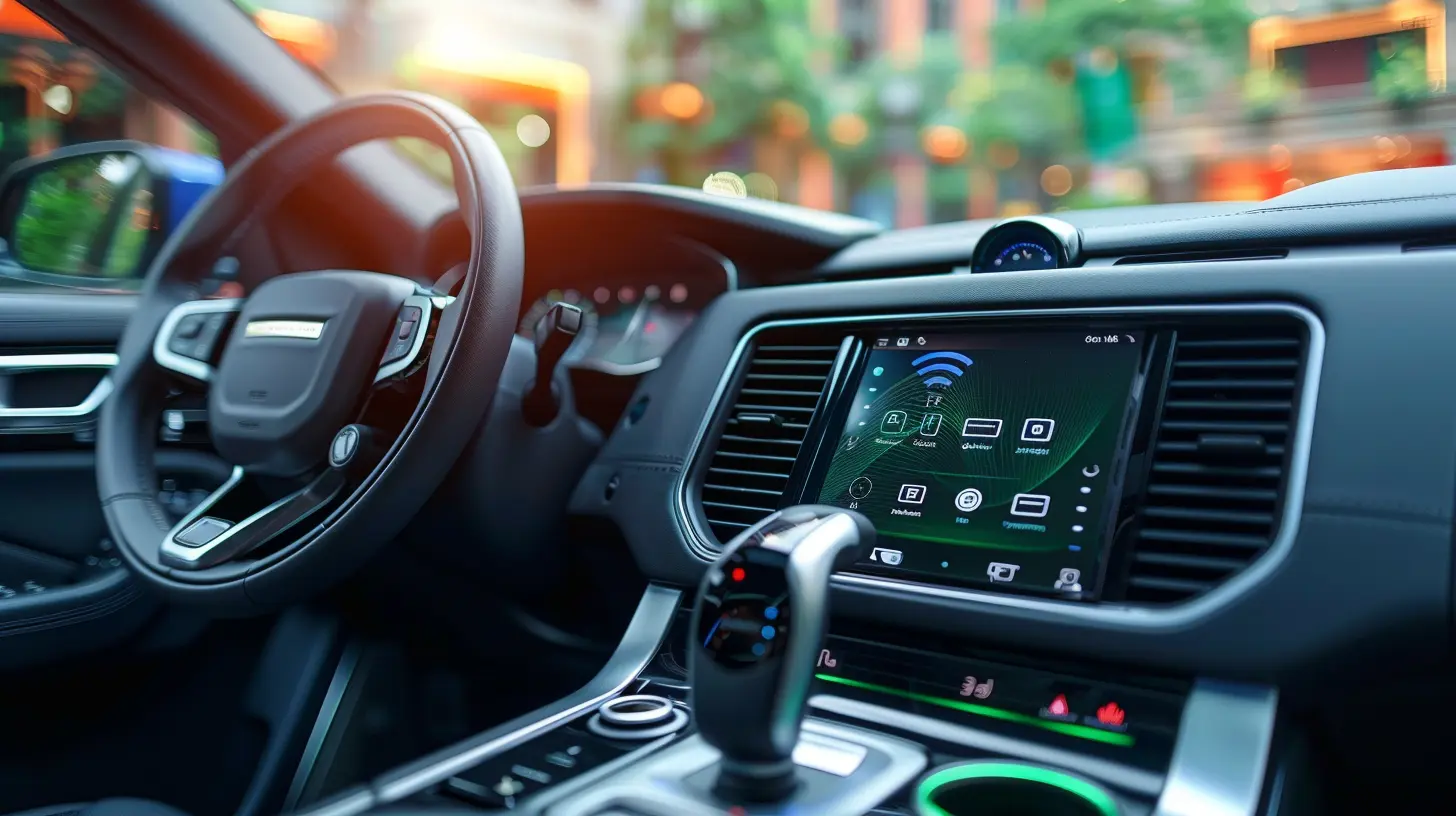
❌ The Cons of Wireless Charging in Your Car
1. Slower Charging Speeds
Traditional wired chargers, especially fast chargers, deliver power much quicker than wireless charging pads. While wired chargers can juice up your phone significantly in just a few minutes, wireless charging tends to be slower. If you're in a rush and need a quick charge, plugging in your phone is still the faster option.2. Overheating Issues
Wireless charging pads generate heat, and excessive heat can harm your phone’s battery life over time. If your charging pad isn't well-ventilated, you may notice your phone getting hotter than usual, which can lead to performance issues or long-term battery degradation.3. Inconsistent Charging Placement
Unlike wired chargers that work as long as they're connected, wireless charging pads require precise placement. If your phone is slightly off-center, it might not charge at all or could charge at a much slower rate. Some phones even have fussy compatibility issues, making them harder to charge on certain pads.4. Not All Phones Support Wireless Charging
If you have an older phone, chances are it doesn’t support wireless charging. Even if your phone does, you might need a thin compatible case for it to work properly on the pad. This means you may have to replace your phone case—or even your phone—to take advantage of the feature.5. Limited Charging While Driving
Wireless charging isn’t the best for long road trips. Since it charges slower than wired connections, you might end up with less battery than expected if you're using power-intensive apps like navigation. Plus, if your phone slides off the pad while driving, it stops charging altogether—something that doesn’t happen when plugged in.6. Expensive to Install
Not all cars come with built-in wireless charging, and installing an aftermarket charging pad can be costly. Some high-quality charging pads require professional installation, which adds to the overall expense.
🏆 Is Wireless Charging in Your Car Worth It?
So, should you ditch the cables and go fully wireless for charging in your car? It depends on your priorities and lifestyle.If you value convenience and a clean, cable-free setup, wireless charging is a fantastic option. It keeps your phone charged without the hassle of plugging and unplugging cords. Plus, it helps maintain your phone’s charging port longevity and adds a sleek touch to your car’s interior.
However, if speed and efficiency are more important to you, sticking with a wired fast charger might be the better move. Wireless charging is slower, can overheat devices, and might require constant adjustments to ensure the phone is correctly placed on the pad.
Ultimately, having a combination of both—using wireless charging for everyday use and a wired charger for emergency fast charging—might be the best of both worlds. 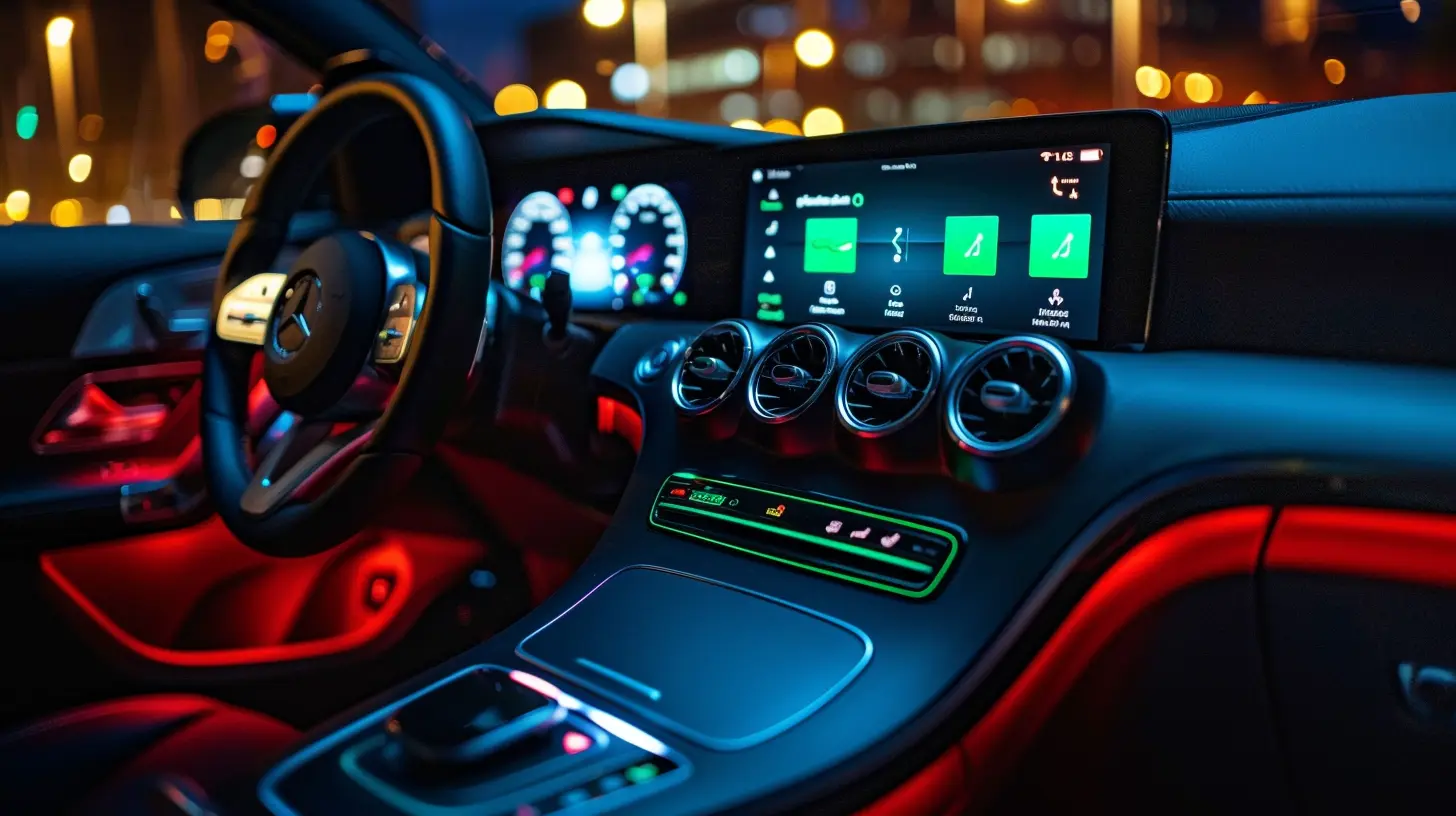
🚀 Final Thoughts
Wireless charging in your car is one of those modern conveniences that sound amazing at first glance. While it certainly makes life easier by eliminating cables, it’s not without drawbacks like slower speeds, overheating, and placement sensitivity.Before making the switch, consider how you use your phone in your car. If you're frequently on long drives and rely on fast charging, keeping a wired option handy is a smart move. On the other hand, if you hate cable clutter and love effortless charging, then wireless charging is a game-changer.
What’s your take on wireless charging in cars? Have you used it before, or are you considering trying it out? Let us know in the comments!
all images in this post were generated using AI tools
Category:
Wireless ChargingAuthor:

Vincent Hubbard
Discussion
rate this article
2 comments
Harley Wilcox
Wireless charging in cars offers convenience and reduces cable clutter but can be slower and may generate heat. Consider your charging needs before opting in.
March 23, 2026 at 3:51 AM
Vincent Hubbard
Thanks for the insightful comment! You're right about the balance between convenience and charging speed. It's essential for users to weigh their options based on how they use their vehicles.
Tilly Moore
Great article! Wireless charging in cars offers convenience and eliminates cable clutter, but it’s essential to consider charging speed and heat generation. Thanks for highlighting both sides of this technology!
March 17, 2026 at 3:51 AM
Vincent Hubbard
Thank you for your feedback! I'm glad you found the article balanced and informative. Your points about charging speed and heat are definitely important to consider!