The Role of Smartphones in the Rise of Mobile E-Sports
18 February 2026
E-sports has taken the world by storm over the past decade, and smartphones have played an enormous role in this revolution. Gone are the days when competitive gaming was limited to high-end PCs and gaming consoles. Now, with just a smartphone in hand, players can battle it out in high-stakes competitions, stream their gameplay, and even go professional.
But how exactly did smartphones become the driving force behind mobile e-sports? Let’s dive into the fascinating journey of how these pocket-sized powerhouses have transformed gaming into a multi-billion-dollar industry. 
The Evolution of Mobile Gaming
Before we jump into the role of smartphones in mobile e-sports, it’s essential to understand how mobile gaming evolved.From Snake to Battle Royales
Remember playing Snake on those iconic Nokia phones? That was mobile gaming in its early days—simple, offline, and primarily a way to kill time. Fast forward to today, and we have graphically rich, internet-enabled multiplayer games like PUBG Mobile, Call of Duty: Mobile, and League of Legends: Wild Rift.This rapid evolution is no coincidence. Advancements in smartphone technology, better internet connectivity, and an increasing appetite for mobile entertainment have all contributed to the revolution of mobile gaming. 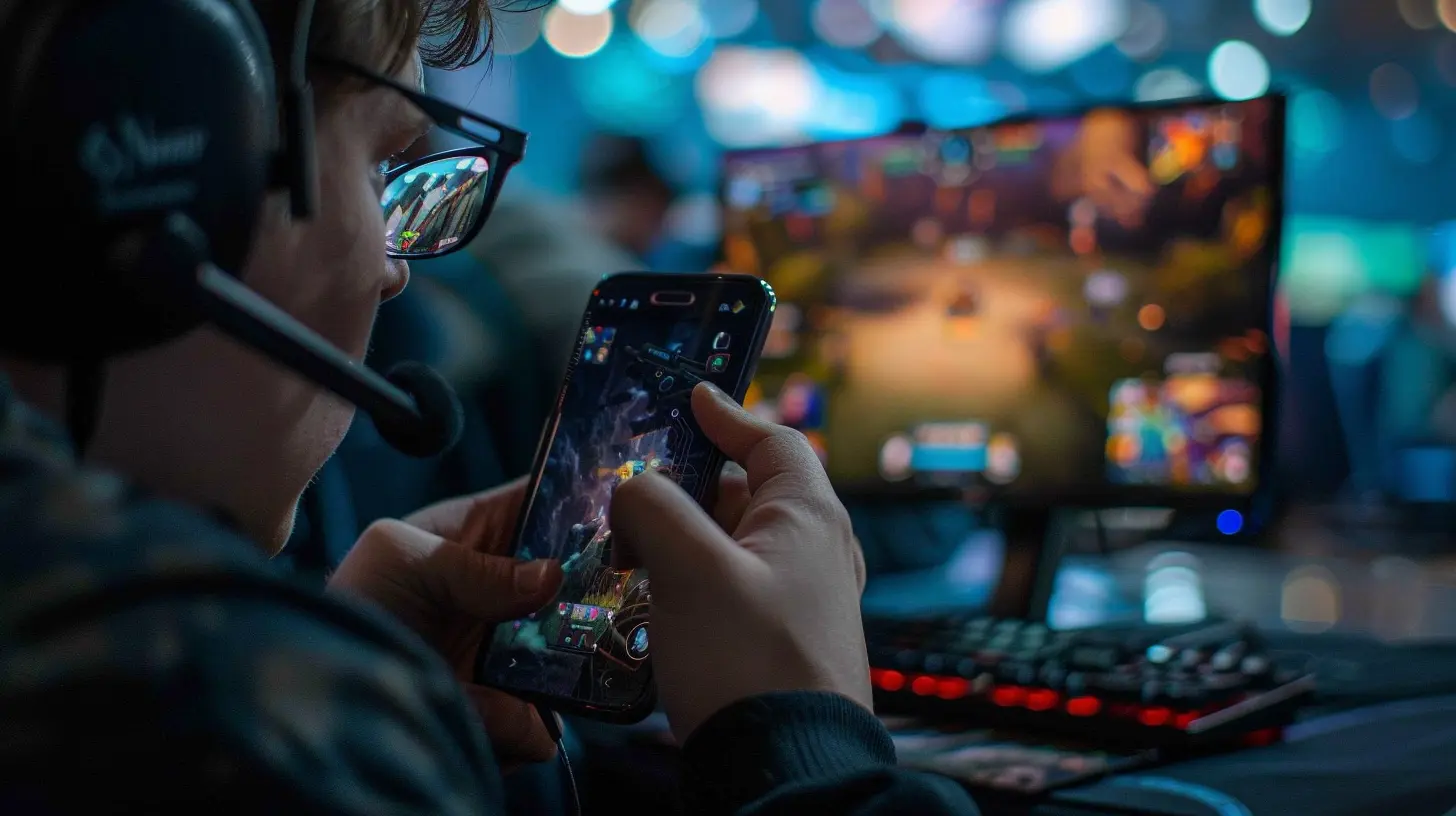
Why Smartphones Became the Perfect E-Sports Platform
1. Accessibility for Everyone
Unlike gaming PCs and consoles, which require significant investment, smartphones are widely accessible. Almost everyone owns a smartphone, which means that competitive gaming is now within reach for millions of people worldwide.2. Powerful Hardware Capabilities
Modern smartphones pack serious power. With high-refresh-rate displays, multi-core processors, and powerful GPUs, these devices can handle complex, graphics-intensive games with ease. Add in features like cooling systems and game-focused optimizations, and you’ve got a gaming beast in your pocket.3. Cross-Platform and Cloud Gaming
Games no longer need to be limited by hardware constraints. Cloud gaming services like NVIDIA GeForce NOW, Xbox Cloud Gaming, and Google Stadia are bringing high-quality gaming experiences to smartphones. Gamers can now play AAA titles on their devices without needing expensive hardware.4. Social Connectivity and Streaming Integration
Mobile games are designed to be social. Whether it’s in-game voice chats, live streaming to platforms like Twitch and YouTube, or competing in online tournaments, smartphones make it easy to stay connected with the gaming community.5. 5G and Low Latency Networks
A key factor in the rise of mobile e-sports is faster, more reliable internet. With the rollout of 5G networks, mobile gamers experience lower latency and smoother gameplay, making real-time competitive gaming a reality. No more blaming lag for a lost match!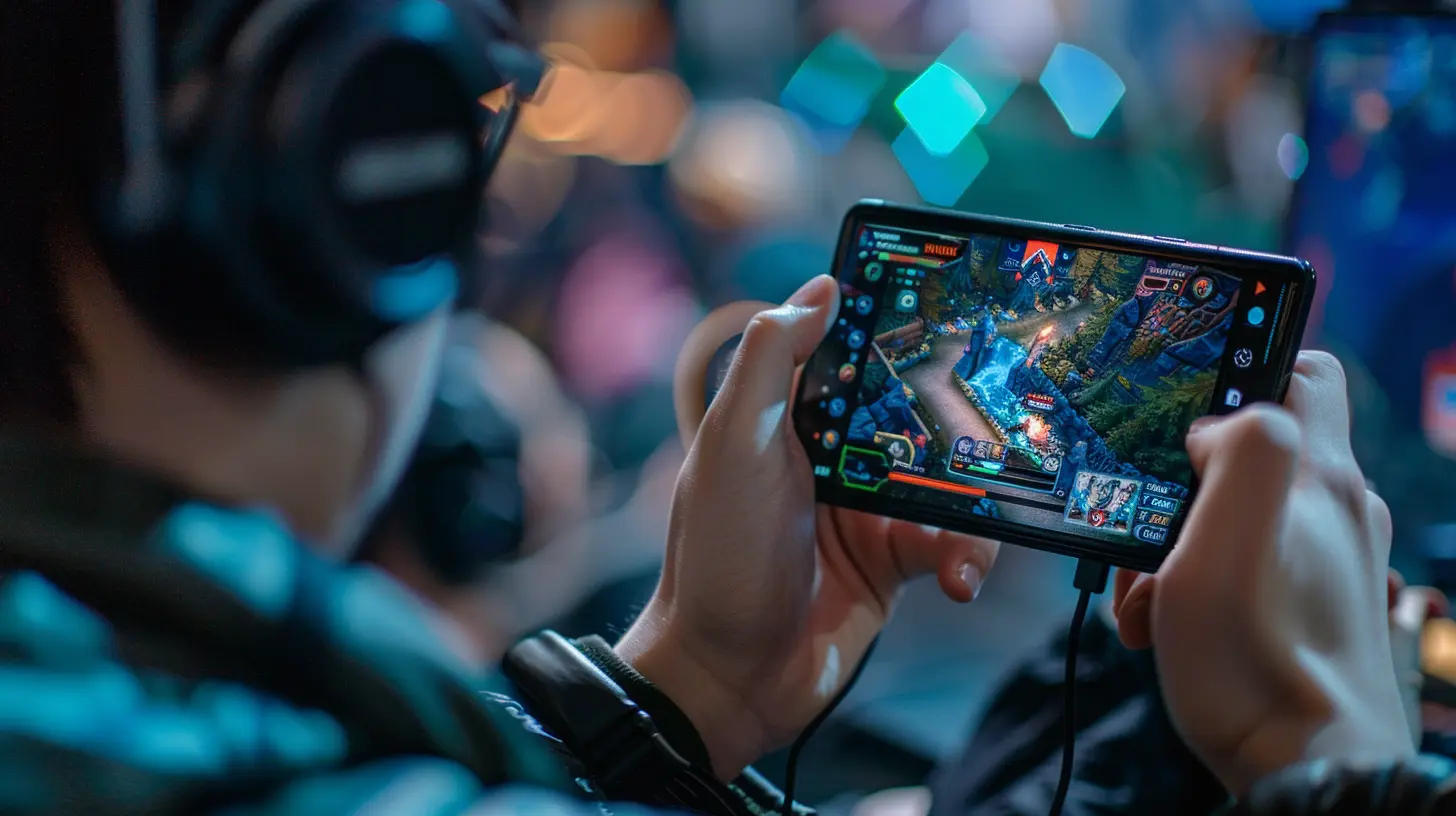
The Rise of Mobile E-Sports Tournaments
Competitive gaming is no longer just a hobby; it’s a profession. Mobile e-sports tournaments are attracting millions of viewers and offering jaw-dropping prize pools.1. PUBG Mobile and Free Fire Tournaments
PUBG Mobile and Free Fire have taken the mobile e-sports scene by storm. These battle royale games have organized global competitions with millions of dollars in prize money, turning casual players into professional e-sports athletes.2. Mobile Legends: Bang Bang (MLBB)
MLBB has a massive competitive scene, especially in Southeast Asia. With leagues, championships, and a thriving gaming community, it has helped cement mobile e-sports as a legitimate industry.3. Call of Duty: Mobile Championship
COD Mobile has brought console-like shooting action to mobile. Its official championship tournaments, backed by Activision, have further fueled the mobile e-sports boom.4. Pokémon UNITE and League of Legends: Wild Rift
MOBAs (Multiplayer Online Battle Arenas) like Pokémon UNITE and Wild Rift have introduced deep strategic gameplay to mobile gamers. With competitive leagues and professional teams, these games are leading the next phase of mobile e-sports.
How Smartphones Revolutionized the E-Sports Industry
Mobile gaming isn’t just about fun anymore—it's a full-fledged career for many. Let’s look at how smartphones have changed the e-sports ecosystem.1. Low Barrier to Entry for Aspiring Gamers
Anyone with a smartphone and an internet connection can start competing. Unlike PC or console e-sports, you don’t need a high-end setup to get started.2. Sponsorships and Brand Collaborations
With mobile e-sports gaining popularity, brands are eager to jump in. Smartphone manufacturers, energy drink brands, and tech companies are heavily investing in e-sports sponsorships and partnerships.3. Live Streaming and Content Creation
Platforms like YouTube Gaming, Twitch, and Facebook Gaming have made it easy for mobile gamers to stream their gameplay. Many professional e-sports players start as content creators before making it big in competitive gaming.4. Mobile E-Sports as a Career
Mobile e-sports is no longer just for entertainment; it's a career path. Pro players, coaches, analysts, and streamers make a living by mastering mobile games.Challenges Faced by Mobile E-Sports
Of course, mobile e-sports isn’t without its challenges. As the industry grows, several hurdles need to be addressed.1. Device Fragmentation
Unlike PCs or consoles where hardware is standardized, smartphones come in various models, each with different specs. This leads to performance disparities among players.2. Touch Controls vs External Accessories
While touch controls have improved, they still don’t match the precision of a mouse and keyboard or a controller. Some competitive players use accessories like controllers, which raises fairness concerns.3. Battery Life and Overheating
Intensive gaming sessions drain battery life quickly. Even high-performance gaming phones struggle with overheating when playing demanding titles for extended periods.4. Cheating and Hacking Issues
Mobile e-sports faces challenges with cheaters who use hacks, scripts, and third-party software to gain an unfair advantage. Developers are constantly battling these security threats, but it remains an issue.The Future of Mobile E-Sports
Despite the challenges, the future of mobile e-sports looks incredibly bright.- More Advanced Gaming Phones – Smartphone manufacturers are investing in gaming-centric devices with top-tier cooling, ultra-responsive displays, and dedicated gaming modes.
- Augmented Reality (AR) and Virtual Reality (VR) – As AR and VR technologies advance, they could introduce new dimensions to mobile e-sports.
- Bigger Tournaments and Sponsorships – With increasing viewership, mobile e-sports will continue to attract bigger prize pools and high-profile sponsors.
- AI and Cloud Gaming Enhancements – AI-driven optimizations and cloud gaming improvements could make mobile e-sports even more accessible and fair.
One thing is clear—mobile e-sports is not a passing trend; it’s here to stay. With the ever-growing mobile gaming community and technological innovations, we’re just getting started.
Final Thoughts
Smartphones have undeniably played a crucial role in shaping the rise of mobile e-sports. They’ve made competitive gaming more accessible, revolutionized the gaming industry, and created opportunities for aspiring e-sports professionals.Whether you’re a casual gamer, a competitive player, or just someone fascinated by the gaming world, one thing is certain—mobile e-sports is the future of gaming. And with every new smartphone release, the gaming experience only gets better.
So, what are you waiting for? Grab your phone, hop into a game, and who knows? Maybe you’ll be the next big e-sports champion!
all images in this post were generated using AI tools
Category:
SmartphonesAuthor:

Vincent Hubbard
Discussion
rate this article
2 comments
June McCord
Smartphones have revolutionized mobile e-sports by providing accessibility and convenience for gamers worldwide. With advanced graphics, powerful processors, and a plethora of competitive titles available, smartphones have democratized gaming, allowing players to participate in high-stakes competitions anytime, anywhere, thus fueling the explosive growth of the mobile e-sports industry.
March 11, 2026 at 5:51 AM
Vincent Hubbard
Absolutely, smartphones have transformed mobile e-sports, making it easier for gamers to connect and compete. The convenience and accessibility they offer have truly changed the game.
Phaedra McMeekin
Smartphones turning us all into e-sports athletes—who knew mastering thumb gymnastics and snack logistics would become essential skills? Just remember, folks: it’s all fun and games until someone runs out of battery!
February 20, 2026 at 11:28 AM
Vincent Hubbard
Absolutely! Smartphones have truly transformed gaming into a competitive sport, blending strategy with everyday skills—just make sure to keep that charger handy!