Wearable Tech and Smart Cities: How They Work Together
23 January 2026
Imagine walking through a city that knows what you need before you do. Streetlights brighten as you approach, traffic eases just in time for your morning commute, and public services adapt in real-time based on your behavior and needs. Sounds futuristic, right? Well, welcome to the power duo of wearable tech and smart cities.
These two buzzing tech trends are more than just cool gadgets and high-tech infrastructure. They’re a match made in innovation heaven, teaming up to make our urban lives more efficient, connected, and—dare I say it—just plain awesome.
Let’s break it all down and see how wearable technology and smart cities are working together hand-in-hand to revolutionize the way we live, work, and play.
What Exactly is Wearable Tech?
First things first—what are we talking about when we say "wearable technology"?Wearables are smart electronic devices worn on or close to the body. Think smartwatches like the Apple Watch, fitness trackers like Fitbit, or even smart glasses like Google Glass. But it doesn’t stop there. The category also includes smart clothing, biometric sensors, and AR headsets. These devices collect and share data, monitor health, assist with navigation, and integrate with IoT (Internet of Things) systems.
In short, wearable tech is like your very own digital sidekick—it’s always there, watching, learning, and helping.
What Are Smart Cities?
Now let’s zoom out. A smart city uses digital technology and data to improve urban life. It’s not just about having fast Wi-Fi or LED streetlights. We’re talking about interconnected systems—traffic management, energy use, air quality monitoring, public transport, waste collection—all working together to make life smoother for everyone.These cities rely on real-time data to automate processes, reduce waste, cut down on energy usage, and make daily life more convenient.
So, where do wearables fit in? Great question!
Where Wearables and Smart Cities Meet
Okay, this is where things get exciting. Wearables act like mobile data generators. Every step you take, every heartbeat, every temperature reading—it’s all valuable data. Now, combine that with a city that can process that information and respond to it in real time. Magic, right?Let’s walk through a few ways these two collaborate like peanut butter and jelly.
1. Smarter Public Health Monitoring
Remember when fitness trackers first started pinging you about your daily steps? Well, now imagine using that info on a city-wide scale.Wearables can provide public health officials with anonymized, aggregated data about heart rates, body temperature, activity levels, and even sleep patterns. In a smart city, this data can help detect outbreaks, predict flu seasons, or even monitor the wellbeing of at-risk populations.
For instance, during the COVID-19 pandemic, wearable data helped researchers pinpoint areas with rising fevers—way before hospitals reported spikes.
💡 Think of it like a city's immune system — wearables are the early warning sensors.
2. Real-Time Public Transport Optimization
We've all been there—waiting endlessly for a delayed bus or crushed into a packed subway car.Smart cities can use wearable data to track the movement patterns of commuters. This insight helps adjust bus routes, improve train schedules, and manage traffic congestion in real time.
Picture this: if your wearable shows you’re stuck in a crowd near a subway exit, the city system might increase the frequency of trains to ease the pressure. Efficiency at its best!
3. Enhancing Pedestrian and Cyclist Safety
Cities aren't just about buildings and roads—they're for people. Smart cities equipped with wearable data can actively work to keep pedestrians and cyclists safe.For example, smartbike helmets can detect crashes and send alerts to emergency services. Smartwatches can track sudden heart rate spikes or falls and alert help. When looped into the city’s emergency systems, response times shrink dramatically.
Plus, if a neighborhood sees lots of people slowing down or stopping due to a poorly lit road or pothole, city planners can use that feedback to address the problem faster.
4. Personalized Urban Experiences
Wouldn’t it be lovely if your city adjusted itself based on your preferences?Wearables can help do just that. Imagine your route home being lit better because your wearable indicates poor vision in the dark, or a public park playing relaxing music because it detects stress spikes in people walking through.
It’s like the city becomes your personal butler—kind, responsive, and always a step ahead.
5. Greener Lifestyles and Environmental Monitoring
We all want cleaner air and greener surroundings. Wearables can actually help cities achieve that.Smartwatches and fitness bands with air quality sensors enable the collection of hyper-local environmental data. When this information is passed to the smart city infrastructure, it can lead to actionable insights—like rerouting traffic from polluted areas, adjusting public service operations, or alerting residents to avoid outdoor activity during poor air conditions.
Plus, wearables can encourage eco-friendly habits—like walking or cycling more—and reward users through gamified city wellness programs.
6. Emergency Response and Disaster Management
Natural disasters and emergencies wait for no one. The quicker the response, the more lives saved.With wearable data, smart cities can quickly locate individuals in need, assess the severity of a situation, and dispatch help faster.
During an earthquake, for instance, wearables could send signals about people’s biometric responses, helping emergency teams prioritize and pinpoint where assistance is most urgently needed.
In essence, wearable tech turns the city's disaster response into a well-coordinated symphony instead of a chaotic scramble.
Challenges They Face (And How We Can Fix Them)
Of course, not everything is sunshine and rainbows. There are challenges—some technical, some ethical.⚠️ Privacy and Data Security
Let’s face it, sharing your heart rate and GPS location with the city isn’t everyone’s cup of tea.Smart cities and wearable makers need bulletproof encryption and transparent privacy policies. And honestly, getting user consent should be as easy as tapping a screen—not reading 50 pages of fine print.
⚠️ Battery Life and Device Dependability
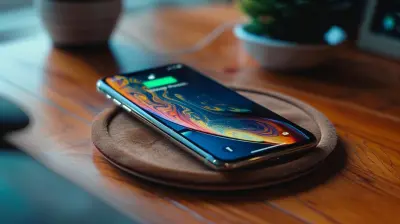
What good is a smart city if your wearable dies halfway through your day?Longer-lasting batteries and better charging infrastructure (like wireless charging benches!) need to be part of the equation.
⚠️ Standardization and Interoperability
Wearables come from dozens of brands, each speaking its own "tech language." For smart cities to truly thrive, these devices need to get along.Open data standards and collaborative ecosystems are the way forward.
What’s Next in This Dynamic Duo?
The relationship between wearable tech and smart cities is just heating up. Here's what we might see in the not-so-distant future:🧠 AI-Powered Predictive Services
Cities predicting traffic jams, healthcare needs, or even crime hot spots—before they happen.
🚦 Connected Living Environments
Your wearable could talk to your home, car, office, and even your favorite coffee shop, creating seamless routines across your entire day.
👓 Augmented Reality Navigation
Smart glasses offering real-time directions, hazard alerts, or cultural tidbits during your city stroll? Yes, please.
🌍 Global Collaboration
Imagine if cities around the world shared anonymized wearable-generated data to better fight climate change or handle pandemics. The potential is limitless.
Final Thoughts: A Perfect Match for the Future
Wearable tech and smart cities are like dance partners—each moving in sync, reading the cues, and making life better for the audience (that’s us!).It’s not just about convenience. It’s about transforming the very nature of urban living. We’re talking healthier lifestyles, safer streets, responsive public services, and smarter infrastructure—all driven by the little gadgets we wear every day.
So next time you strap on your smartwatch or slip into your smart sneakers, remember—you’re not just tracking steps. You’re part of a connected ecosystem that’s shaping the cities of tomorrow.
And that’s pretty darn cool, don’t you think?
all images in this post were generated using AI tools
Category:
Wearable TechAuthor:

Vincent Hubbard
Discussion
rate this article
2 comments
Starla McKellar
Wearable tech and smart cities are not just futuristic concepts; they’re the backbone of modern urban living. Embracing this synergy will revolutionize our daily lives, making them more efficient and connected.
February 16, 2026 at 3:22 AM
Vincent Hubbard
Absolutely! The integration of wearable tech with smart cities enhances connectivity and efficiency, shaping the future of urban living.
Karen Benton
This article beautifully highlights the synergy between wearable tech and smart cities. It's inspiring to see how these innovations can enhance urban living, promote sustainability, and improve our daily experiences. Looking forward to more advancements in this exciting field!
January 24, 2026 at 5:25 AM
Vincent Hubbard
Thank you for your thoughtful comment! I'm glad you found the article inspiring. Exciting advancements are indeed on the horizon!