Why Wireless Charging Stations Are the Next Big Thing
13 June 2026
Let’s face it, we live in a world where everything is slowly but surely becoming wireless. From the way we communicate to how we listen to music, the "no wires" revolution is well underway. So, it’s only natural that the way we charge our devices is following suit. Enter wireless charging stations: the next big thing in tech and gadgets.
You’ve probably seen wireless chargers popping up everywhere—on desks, in coffee shops, and even in cars. But have you ever wondered why they’re gaining so much traction? What’s driving this shift from the traditional plug-and-charge method? Well, let me tell you, there's a lot more to it than just convenience. Wireless charging is not some passing fad; it's poised to change how we power our devices.
In this article, we’re going to dive deep into why wireless charging stations are becoming a game-changer. We’ll explore the technology behind it, its benefits, and why it’s going to be the new standard sooner than you think.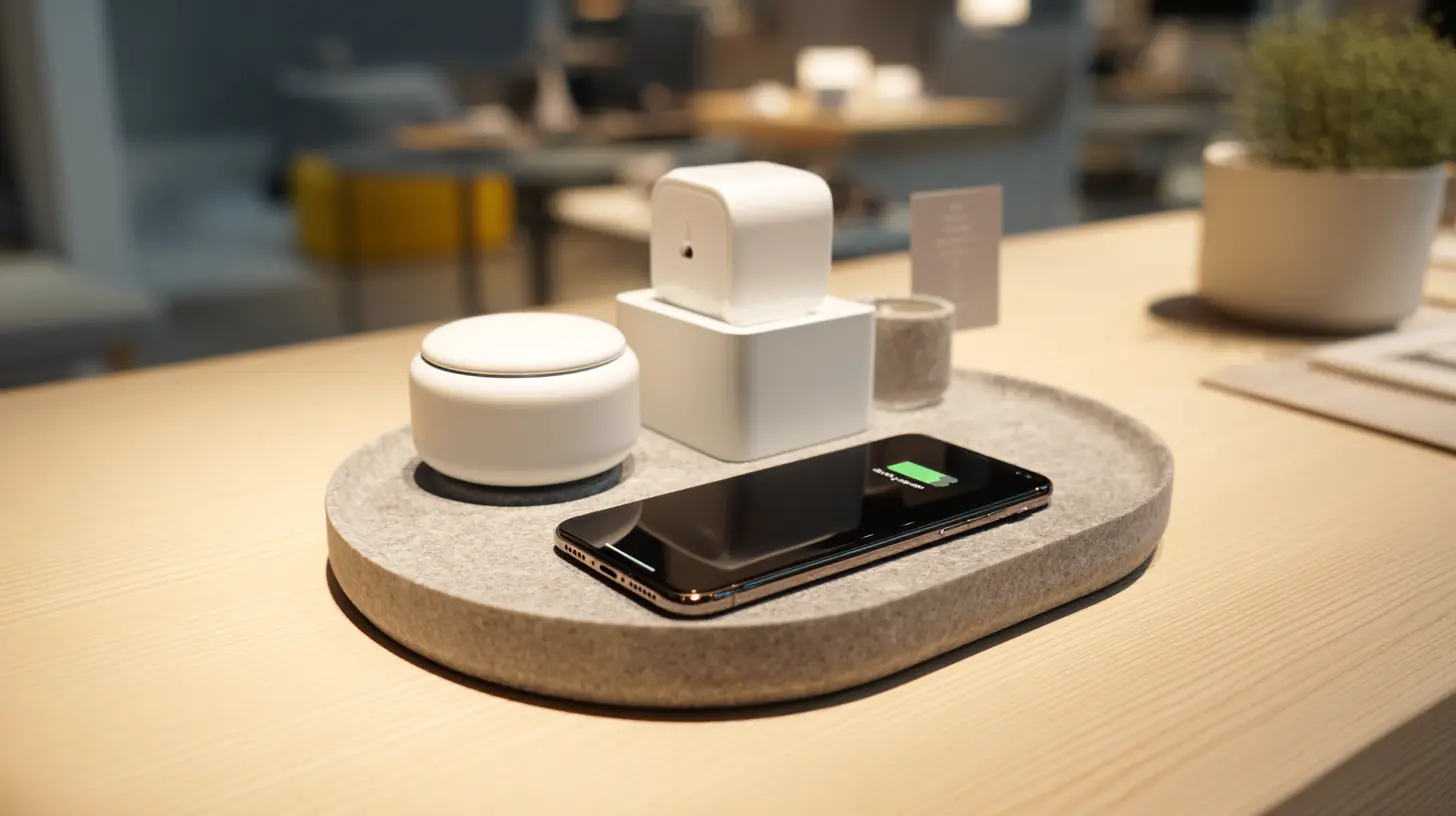
The Basics: What Is Wireless Charging?
Before we get into the nitty-gritty, let’s start with the basics. Wireless charging, also known as inductive charging, allows you to charge your devices without plugging them into a power source. Instead, you simply place your device on a charging pad or station, and voilà, it starts charging.The magic behind wireless charging lies in electromagnetic fields. The charging station generates an electromagnetic field, and your device, equipped with the right receiver, converts that energy into electrical power to charge its battery.
Now, I know what you’re thinking: "That sounds cool, but is it really that much better than plugging in a cable?" Stick with me, and you’ll see why wireless charging stations are about to be everywhere.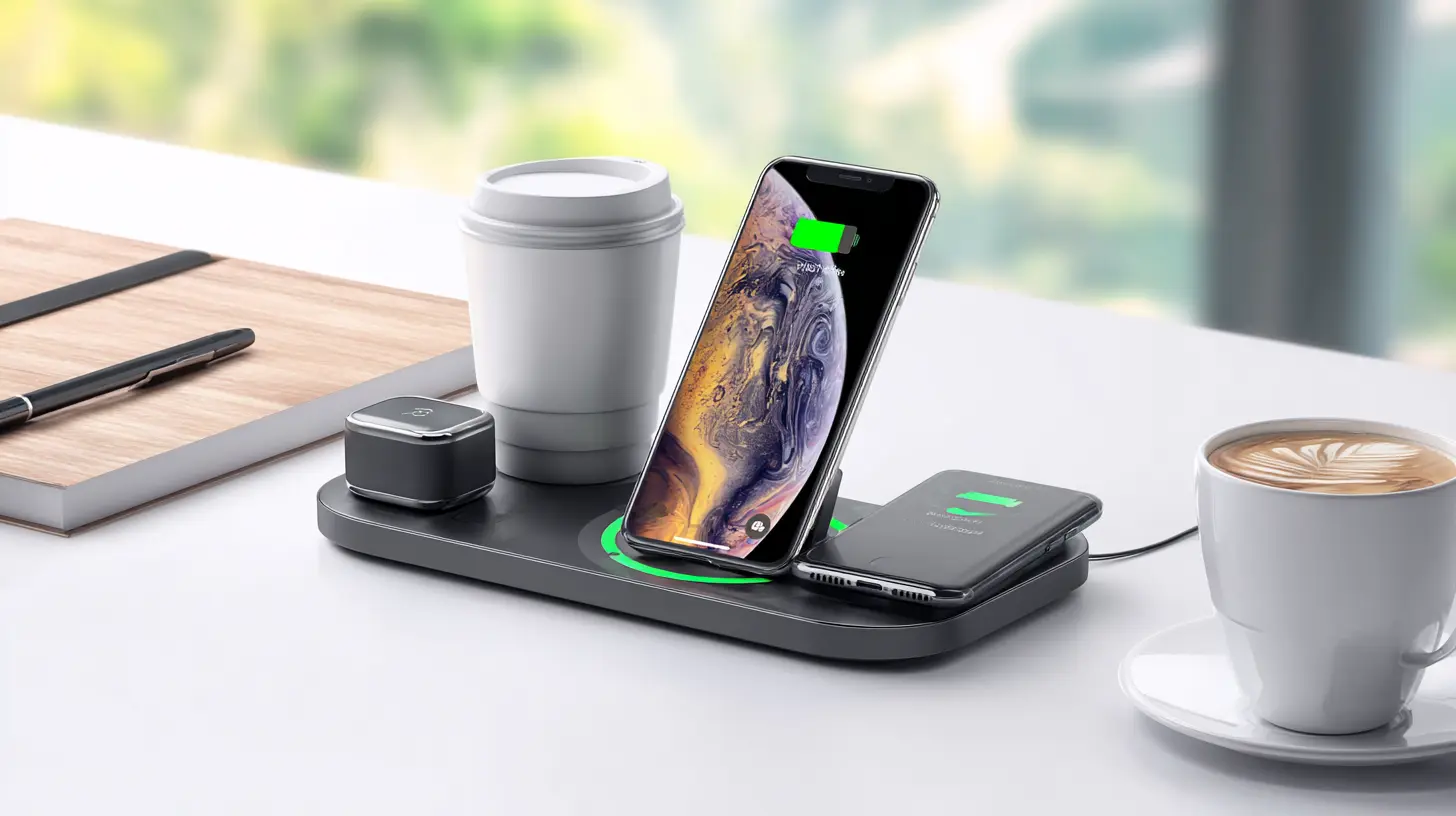
Why Wireless Charging Stations Are Taking Off
1. Convenience Is Key
Let’s be honest—nobody enjoys fumbling around with cords. You know how it goes: You’re in bed, half asleep, trying to plug your phone in, and the charger just won't cooperate. Or worse, the cable is frayed, and you have to wiggle it around just to get your phone to start charging. Sound familiar?Wireless charging eliminates all that hassle. Just drop your phone on the station, and you’re good to go. No more searching for cables or worrying about whether the plug is in the right orientation. It’s as easy as putting your phone down on a table, except this table juices up your battery.
It’s the ultimate convenience factor, especially for people who use multiple devices. Imagine a single charging station on your desk that can power your phone, smartwatch, and wireless earbuds all at once. No more cluttered cables. No more mess. Just pure, blissful simplicity.
2. Durability and Longevity
Cables wear out. Period. It’s only a matter of time before the charging cable you got with your phone starts fraying at the ends, forcing you to fork over more money for a replacement. And don’t even get me started on how annoying it is when the charging port on your phone starts acting up due to constant plugging and unplugging.Wireless charging stations, on the other hand, don’t suffer from the same wear and tear. Since there are no physical connectors involved, both your device and the charger are likely to last longer. This not only saves you money in the long run but also reduces waste, making it a more eco-friendly option.
3. Seamless Integration Into Daily Life
One of the main reasons why wireless charging stations are gaining popularity is because they’re being integrated into everyday objects. We’re talking about things like furniture, cars, and even public spaces. Imagine walking into a café, placing your phone on the table, and it starts charging automatically. No cables, no fuss. This is already happening in some places, and it’s only going to become more widespread.Car manufacturers are also jumping on the bandwagon by including built-in wireless charging pads in their vehicles. So, while you're driving, your phone can charge without the need for a tangled mess of cables. Wireless charging is becoming so seamless that you won’t even have to think about it anymore. Charging will just happen naturally as part of your daily routine.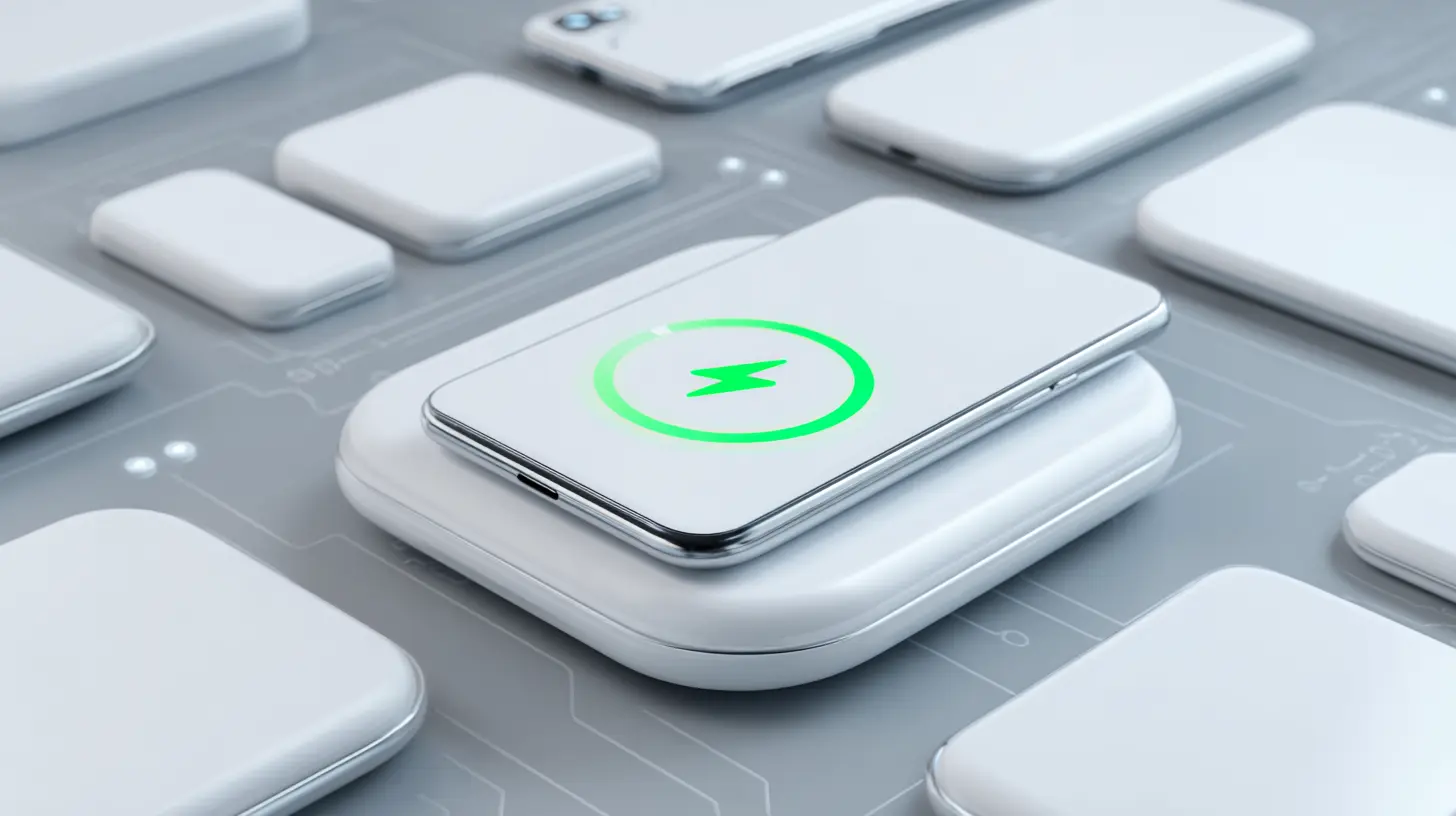
The Tech Behind Wireless Charging
Okay, so wireless charging sounds pretty great, but how does it actually work? Without getting too technical, let’s break it down.Wireless charging relies on a principle called inductive coupling. Basically, the charging station has a coil inside that generates an electromagnetic field. When you place your phone or another compatible device on the station, it has a corresponding coil that picks up the energy from this field and converts it into electricity to charge the battery.
Now, some wireless chargers use magnetic resonance instead of inductive coupling, which allows for charging over short distances. You don’t even have to place your phone directly on the charger; it just needs to be close enough to pick up the energy. This tech is still in its early stages, but it’s going to open up even more possibilities for wireless charging in the future.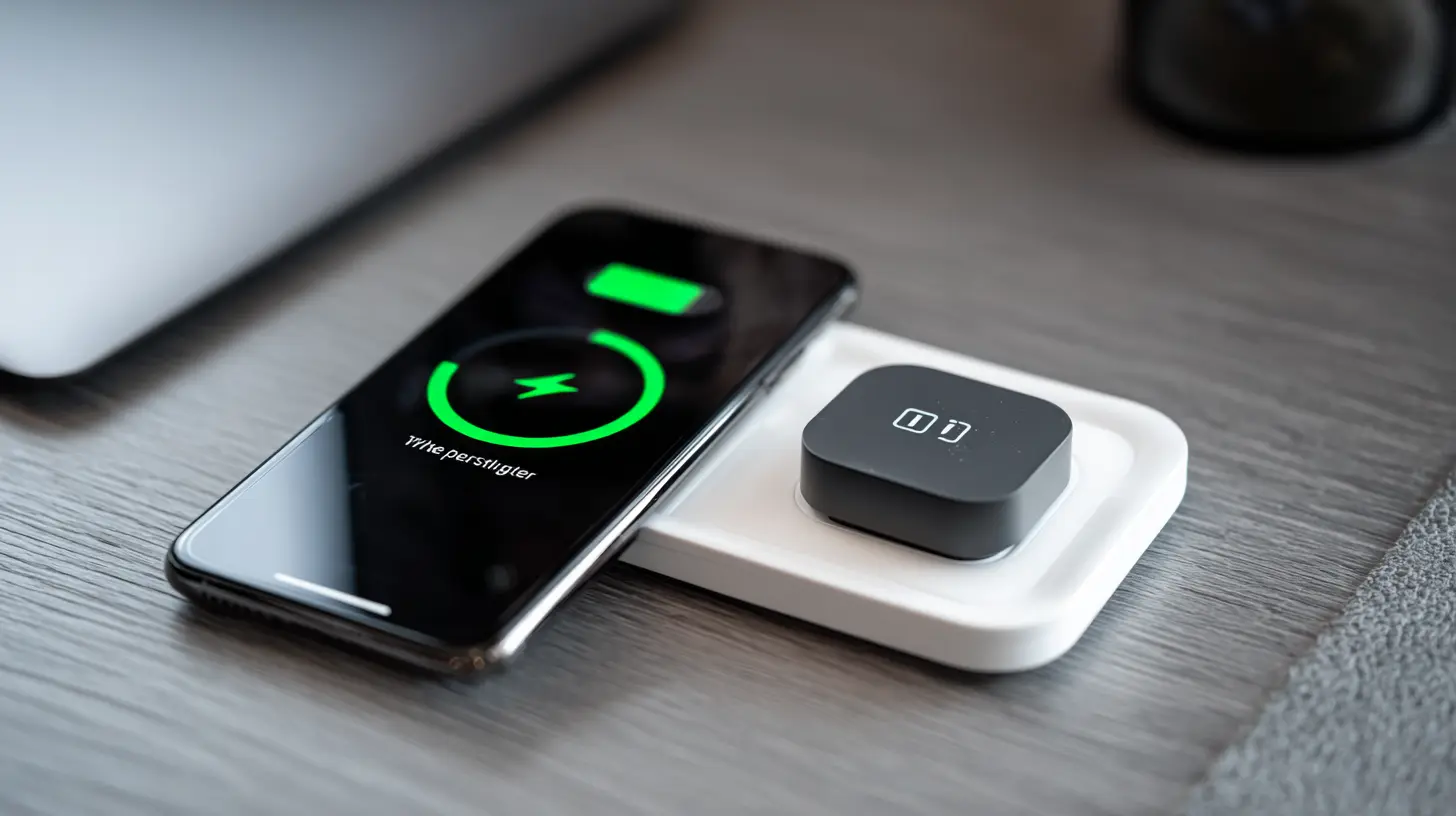
The Future of Wireless Charging Stations
1. Faster Charging Speeds
One of the biggest complaints about wireless charging has been that it’s slower than wired charging. While this was true in the early days, wireless charging technology has come a long way. Today, many wireless chargers support fast charging, and some can even charge your device at speeds comparable to traditional wired chargers.And let’s not forget that technology is always advancing. In the next few years, we’re going to see wireless chargers that are faster and more efficient than ever before. Companies are already working on ways to reduce energy loss during wireless charging, which means faster charging times and less heat generation.
2. Charging Multiple Devices Simultaneously
As more devices become wirelessly compatible, we’re going to see an increase in multi-device charging stations. Imagine a single wireless charging pad that can charge your phone, smartwatch, tablet, and earbuds all at once. No more juggling multiple chargers or worrying about having enough outlets. The future of wireless charging is all about efficiency and convenience.3. Integration With Smart Homes
Wireless charging stations are also going to play a huge role in the future of smart homes. Imagine walking into your house, and your phone automatically starts charging as soon as you set it down on the kitchen counter. Or better yet, imagine a wireless charging station built into your kitchen island that charges your devices while you cook dinner.It’s all about creating a seamless experience where charging happens naturally, without any extra effort on your part. As smart homes become more common, wireless charging stations will be a key component in making our lives more convenient.
Are There Any Downsides?
Of course, no technology is perfect, and wireless charging is no exception. One of the main drawbacks is that it only works with devices that are compatible with wireless charging. If your phone or gadget doesn’t support it, you’re out of luck.Another issue is that wireless charging can generate heat, which, in some cases, may reduce your battery’s lifespan. However, newer wireless chargers are designed to minimize this heat, and as technology improves, this problem will likely become less of a concern.
Lastly, there’s the price. Wireless charging stations tend to be more expensive than traditional chargers. But as with any new technology, prices are likely to come down as it becomes more widespread. Plus, when you factor in the convenience and durability, many people find the investment worthwhile.
Conclusion: The Wireless Future Is Here
Wireless charging stations are not just a cool gadget—they’re the future of how we power our devices. With their convenience, durability, and seamless integration into our daily lives, it’s no wonder they’re becoming the next big thing. As the technology continues to improve, we can expect faster charging speeds, multi-device charging, and even more widespread adoption in cars, homes, and public spaces.Sure, there are still a few kinks to work out, but the benefits far outweigh the drawbacks. In a world where we’re constantly on the go and juggling multiple devices, wireless charging offers a simple and effective solution to keep everything powered up without the hassle of cords and cables.
So, if you haven’t hopped on the wireless charging bandwagon yet, what are you waiting for? The future is wireless, and it’s charging up fast.
all images in this post were generated using AI tools
Category:
Wireless ChargingAuthor:

Vincent Hubbard
Discussion
rate this article
1 comments
Abram Smith
Wireless charging stations are revolutionizing how we power our devices. Their convenience eliminates tangled cords and makes charging effortless. With advancements in efficiency and compatibility, these stations not only streamline our daily routines but also pave the way for a more organized and clutter-free environment. Exciting times ahead!
June 15, 2026 at 10:40 AM
Vincent Hubbard
I appreciate your thoughts! It's true that wireless charging is changing the way we interact with our devices, making life a bit simpler and more organized. Exciting times indeed!