Wireless Charging Myths Debunked
4 April 2026
Wireless charging—it's sleek, it’s futuristic, and it feels like magic. Just drop your phone on a charging pad, and voilà! No cables, no hassle. But, despite being around for years, wireless charging still carries a lot of misconceptions.
Some people think it’s slow; others believe it fries your battery, and some even swear it’s unsafe. Well, it’s time to separate fact from fiction. Let’s bust the biggest wireless charging myths once and for all.
Myth #1: Wireless Charging Is Dangerously Slow
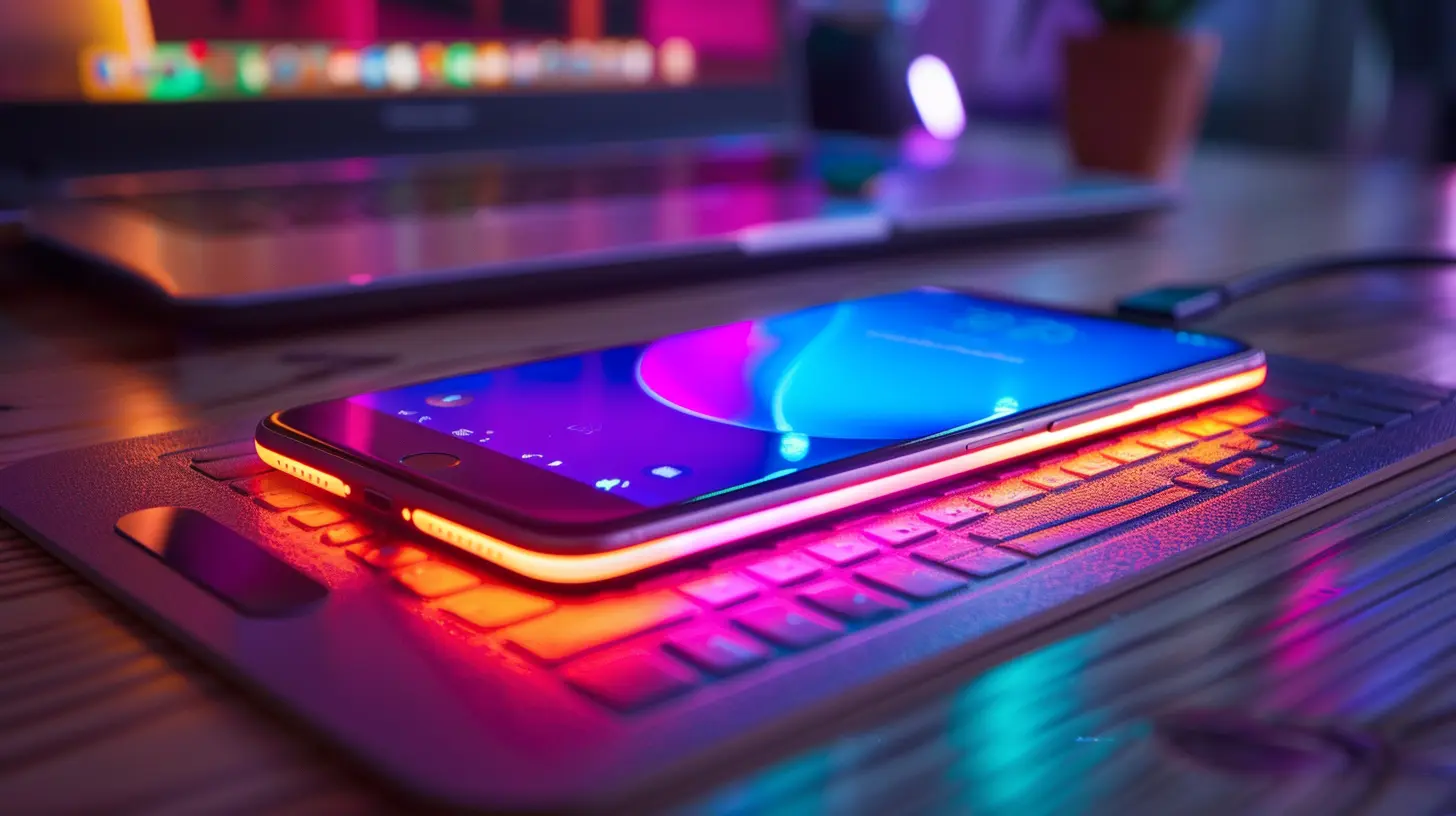
Ah, the age-old complaint: “Wireless charging takes forever.” But is that really true?A few years ago, sure—it wasn’t the speed demon we wanted. But technology evolves, and Qi wireless charging has come a long way. Many modern wireless chargers offer 15W to 50W power delivery, with some flagship phones charging just as fast as wired connections.
Think about it like this: comparing old wireless chargers to those today is like comparing a dial-up connection to fiber internet. If you’re still using an outdated charger, yeah, it might feel slow. But if you grab a modern high-wattage wireless charger and pair it with a device that supports fast wireless charging, you’ll notice a huge difference.
Myth #2: Wireless Charging Damages Your Battery
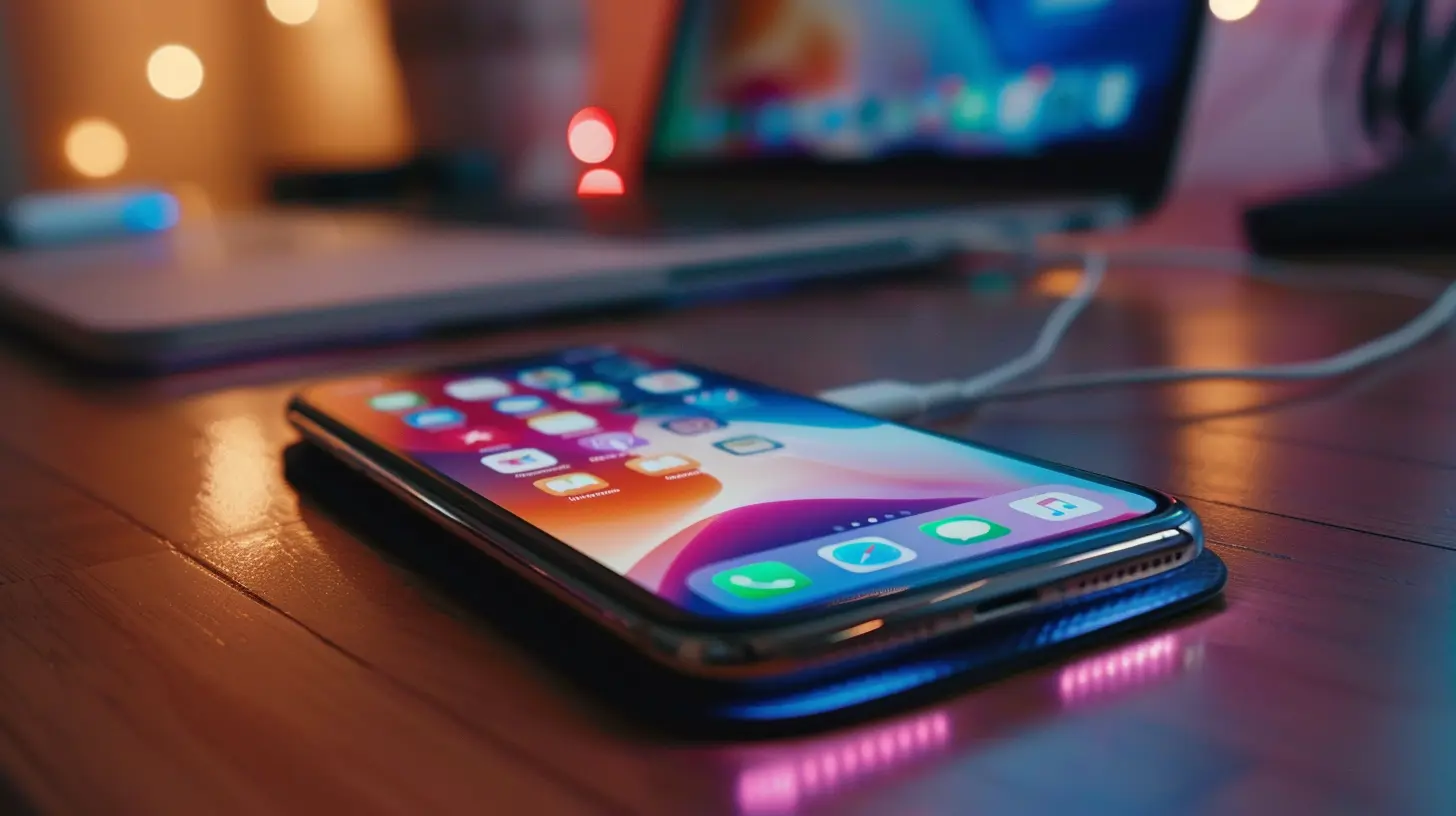
Here’s another popular misconception—people believe wireless charging slowly “kills” your battery.The logic behind this myth goes like this: Wireless charging generates heat, and heat is bad for batteries. That’s true, but here’s the catch—a well-designed Qi-certified charger prevents excessive heat buildup.
Manufacturers build safety features into modern wireless chargers to regulate temperature and prevent overheating. Plus, most smartphones now have built-in heat management systems—so your device won’t turn into a tiny frying pan while charging.
If anything, overcharging your phone with cheap, uncertified chargers (wired or wireless) is the real culprit behind battery degradation. So, instead of blaming wireless charging, focus on using high-quality charging accessories.
Myth #3: You Can’t Use Your Phone While Wireless Charging
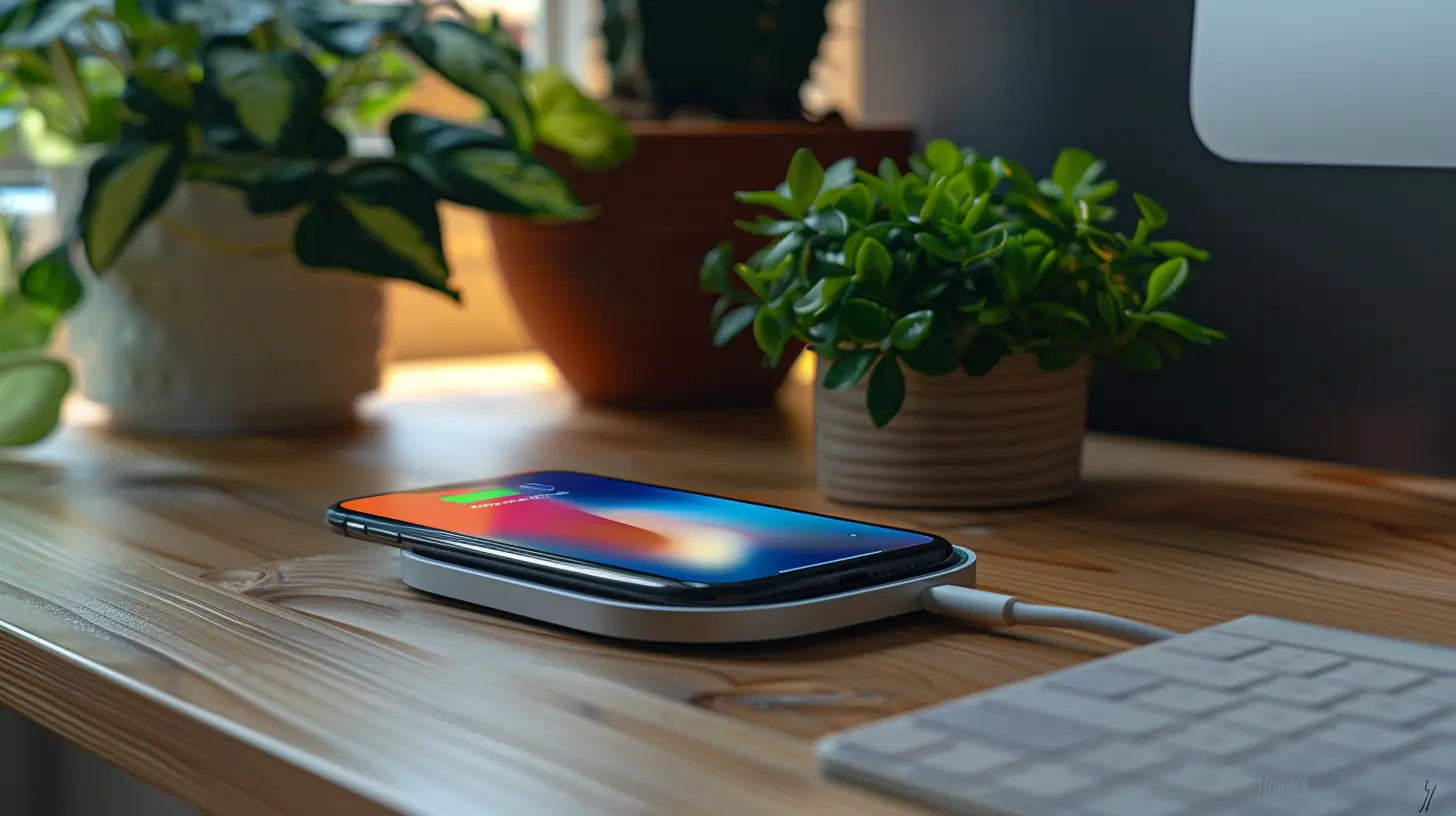
Let’s get real—who doesn’t pick up their phone while charging?Yes, wireless charging means your phone needs to stay on the charging pad. But there’s an easy fix: wireless charging stands. These hold your phone upright, so you can still scroll, watch videos, or even take a Zoom call while juicing up.
And if you’re worried about picking up your phone and interrupting the charge—well, modern wireless chargers resume charging instantly once you place your phone back down. It’s not like a game of Jenga where everything falls apart.
Myth #4: Wireless Charging Wastes Too Much Energy
Some critics argue that wireless charging is horribly inefficient and wastes electricity. But how much truth is there to this claim?Yes, wireless charging has a slightly lower efficiency than wired charging due to energy lost as heat. But the difference is not extreme. Most wireless chargers today are between 70-85% efficient, whereas a standard wired charger is around 85-95% efficient.
So, are you wasting electricity by charging wirelessly? Not really. Unless you’re charging thousands of devices daily, the difference in your electricity bill will be nearly unnoticeable.
Myth #5: Wireless Charging Is Bad For The Environment
This myth piggybacks on the previous one. If wireless charging is inefficient, does that mean it's bad for the environment?Let’s put things into perspective:
- Wired charging wears out cables over time, leading to more electronic waste.
- Wireless technology reduces the need for multiple chargers since one pad can charge multiple devices.
- The energy loss from modern wireless chargers is minimal.
Sure, it’s not 100% green, but compared to the piles of tangled, broken charging cables most people go through, wireless charging might actually be the less wasteful option in the long run.
Myth #6: Wireless Charging Is Unsafe
Some people believe wireless charging radiation is harmful. Let’s clear this up once and for all.Wireless chargers use electromagnetic induction—the same principle used in electric toothbrushes and medical devices. The radiation emitted is incredibly low and well within safe limits set by regulatory bodies.
In fact, your Wi-Fi router and Bluetooth earbuds emit more electromagnetic waves than a wireless charger ever could. Unless you’re worried about those too (which you probably aren’t), wireless charging is completely safe.
Myth #7: Wireless Charging Doesn’t Work With Phone Cases
Ever heard someone say, “You have to remove your case to charge wirelessly”? Not true… at least not always.Wireless chargers work through most thin to medium-thickness cases. If your case is too thick or made of metal, then yes, it might block the electromagnetic field. But unless you're rocking a tank-like case, you’re probably fine.
Want to be sure? Just check if your charger supports case-friendly charging—most do!
Myth #8: Wireless Charging Ruins Your Phone Over Time
This one is just pure misinformation. Wireless charging does NOT cause long-term damage.Your phone’s battery has a limited charge cycle, but that applies whether you charge wirelessly or with a cable. The real issue is heat, and as mentioned earlier, modern wireless chargers prevent excessive heat buildup.
If you’re using a high-quality charging pad, your phone will be just as healthy as if you charged it via cable.
Final Thoughts – The Future Is Wireless
Wireless charging is no longer just a gimmick—it’s a legit, reliable technology that keeps evolving every day. From fast speeds to safe charging mechanisms, it's debunked every outdated myth thrown its way.Will there always be skeptics? Sure. But the reality is, wireless charging is here to stay, and it’s only getting better.
So, if you’ve been avoiding it because of these myths, maybe it’s time to give wireless charging a second chance. Who knows? You might never go back to cables again.
all images in this post were generated using AI tools
Category:
Wireless ChargingAuthor:

Vincent Hubbard
Discussion
rate this article
2 comments
Gideon Collins
Loved this article! It's fantastic to see the common myths about wireless charging debunked. Understanding the truth makes tech even more enjoyable. Keep up the great work, team!
April 9, 2026 at 4:47 AM
Vincent Hubbard
Thank you for the kind words! I'm glad you found the article helpful. We appreciate your support!
Raegan Gray
Great article debunking common myths about wireless charging! It's essential to clear up misconceptions, and this piece does an excellent job. Keep up the fantastic work!
April 5, 2026 at 4:39 AM
Vincent Hubbard
Thank you for the kind words! I'm glad you found it helpful.