Everyday Tech That Feels Like Magic: How It Actually Works
May 25, 2026 - 05:06
Modern life is filled with gadgets and features that seem almost supernatural. We tap a screen, and a photo transforms instantly. We put on headphones, and the world goes quiet. We set a phone on a pad, and it charges without a cable. These technologies have become so common that we rarely stop to ask: how do they actually work?
Take noise cancellation, for example. It is not simply a matter of blocking sound with foam. Active noise cancellation uses tiny microphones built into the headphones to listen to the noise around you. A small chip then creates an opposite sound wave, one that is exactly out of phase with the ambient noise. When these two waves meet, they cancel each other out. This is called destructive interference. The result is silence, or at least a much quieter environment.
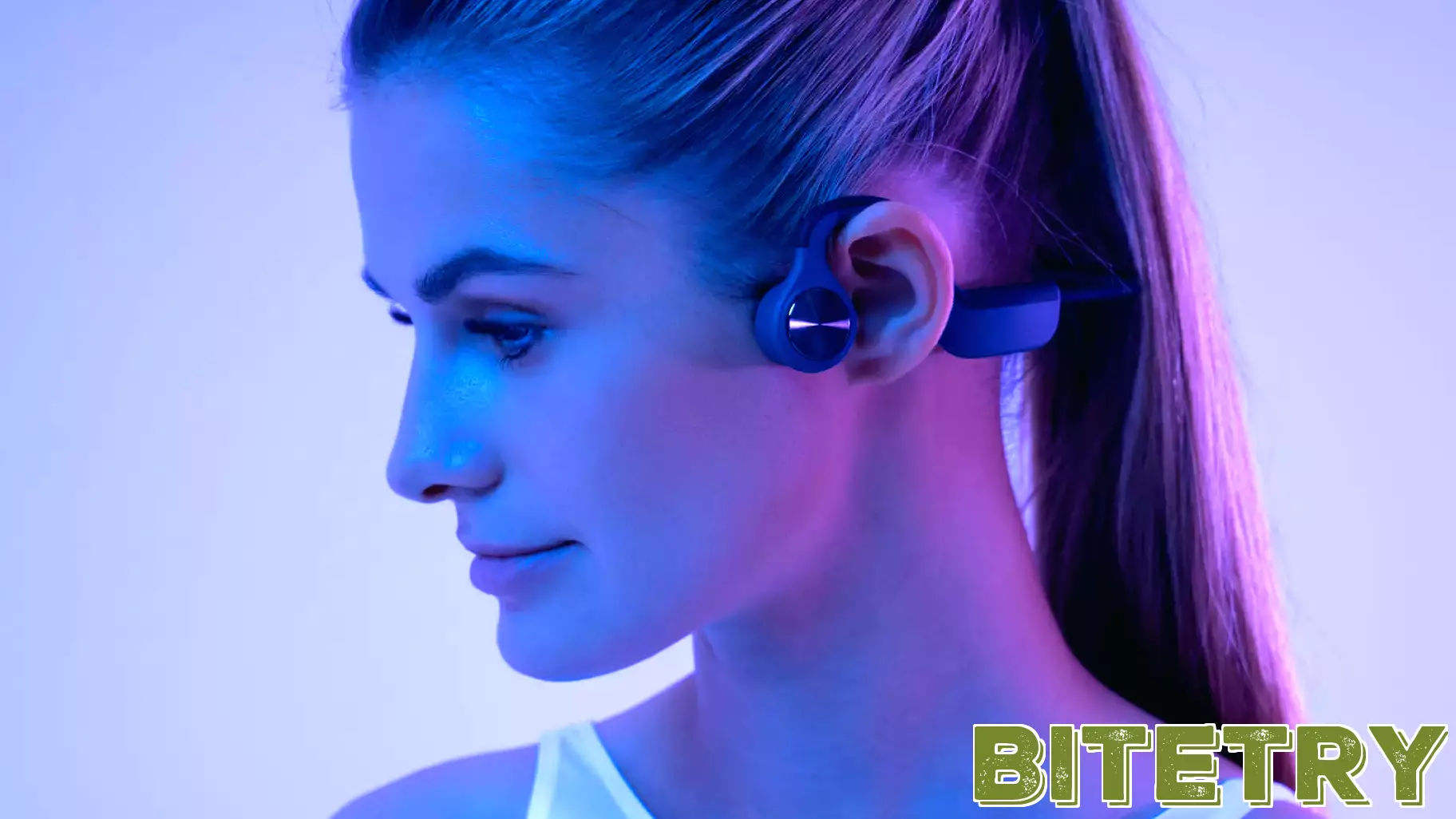
Bone conduction audio works on a completely different principle. Instead of sending sound waves through the air into your eardrum, bone conduction headphones vibrate against the bones of your skull. These vibrations travel directly to your inner ear, bypassing the eardrum entirely. This is why you can hear music while still being able to hear a car horn or a conversation. It is also how people with certain types of hearing loss can still enjoy audio.
Wireless charging feels like magic, but it is just a clever use of electromagnetism. A charging pad contains a coil of wire. When electricity flows through it, it creates a magnetic field. Your phone also has a coil inside. When you place the phone on the pad, the magnetic field induces an electric current in the phone's coil. That current charges the battery. The two coils do not need to touch. They just need to be very close.
Photo editing software has become incredibly powerful. When you use a tool to remove an object from a photo, the software does not just paint over it. It analyzes the surrounding pixels, their colors, textures, and patterns. Then it generates new pixels that blend in seamlessly. This is called content-aware fill. It uses complex algorithms to guess what should be there based on everything else in the image.
Virtual reality works by tricking your brain. A VR headset places two small screens very close to your eyes, each showing a slightly different image. This creates a stereoscopic effect, giving the illusion of depth. Sensors in the headset track your head movements. When you turn your head, the image shifts in real time, making you feel like you are inside a digital world. The magic is in the speed and precision of the tracking.
Other technologies like fingerprint sensors, voice assistants, and facial recognition all rely on similar principles of sensing, processing, and responding. Fingerprint sensors use tiny capacitors to map the ridges of your finger. Voice assistants break your speech into phonemes and match them against a database. Facial recognition maps the distances between your eyes, nose, and jaw.
None of these are actually magic. They are the result of physics, engineering, and clever programming. But when you consider how much processing happens in a fraction of a second, it is easy to see why they feel that way.
MORE NEWS

July 9, 2026 - 02:34
Is Adobe Inc. (ADBE) the Best Beaten Down Technology Stock to Buy Now?Adobe Inc. (NASDAQ:ADBE) has emerged as a key candidate for investors looking at beaten-down technology stocks, following a significant drop in its market value. The company, once a high-flyer in...

July 8, 2026 - 06:01
Moline Police to implement AI translation technologyThe Moline Police Department is set to roll out artificial intelligence-based translation technology to assist officers in the field. The Moline City Council has given the green light for the...

July 7, 2026 - 23:21
China’s Answer to AI Sticker ShockCorporate America is starting to flinch at the price tag for AI agents. As businesses tally up the costs of deploying advanced artificial intelligence tools, a cheaper alternative from China is...

July 7, 2026 - 03:45
Can China repeat its EV success with robotaxis?China`s electric vehicle makers have taken the world by storm, and now the country`s autonomous driving firms are hoping to replicate that success with robotaxis. These companies are betting that...