Four things we’d need to put data centers in space
April 3, 2026 - 21:38
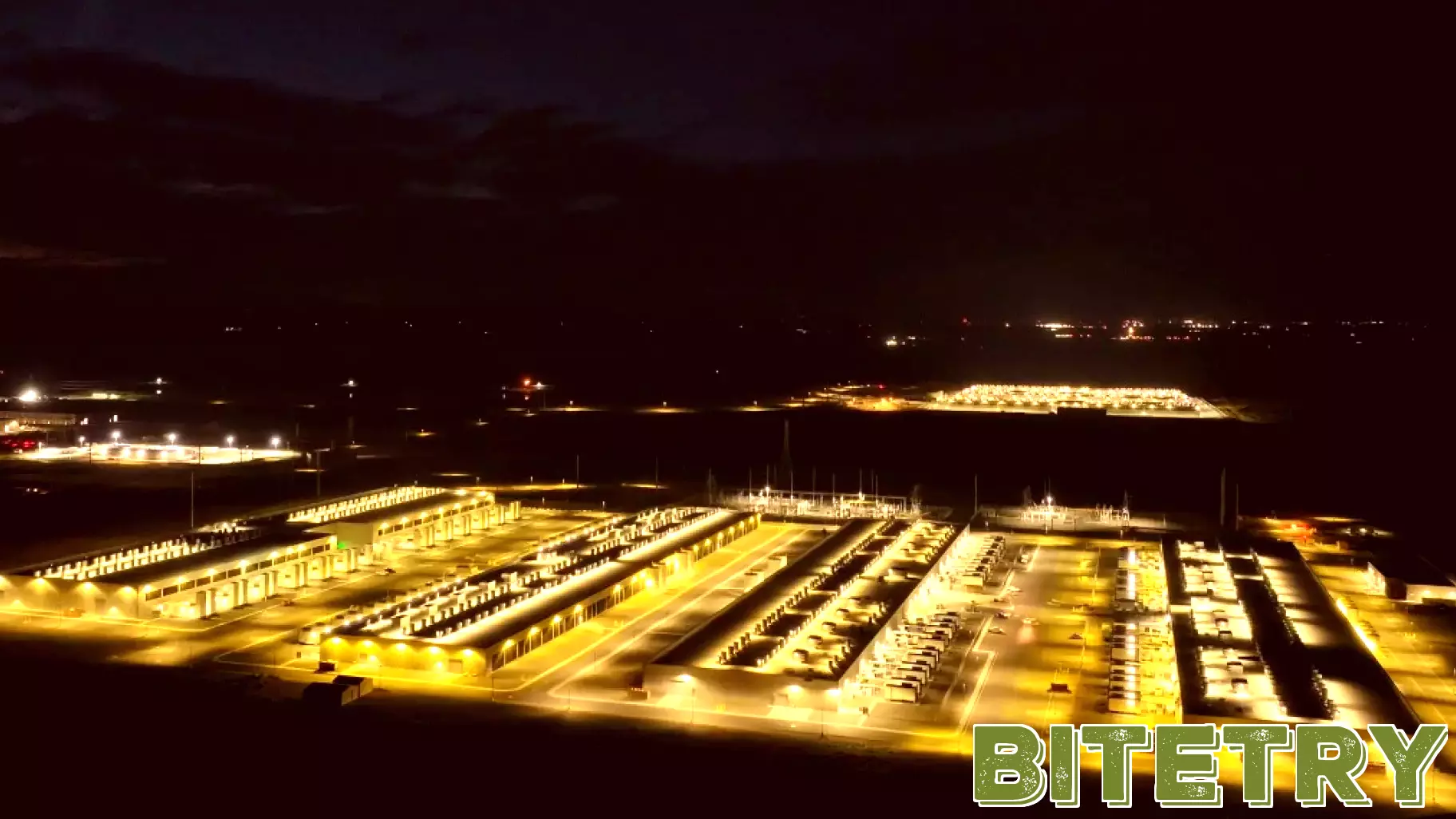
The concept of data centers in space is transitioning from science fiction to corporate ambition, with proposals to place hundreds of thousands of orbital facilities. While the vision promises benefits like reduced latency and energy-efficient cooling in a vacuum, significant engineering obstacles must be solved before launch.
The primary hurdle is power. These stations would require massive, reliable solar arrays to operate, creating a substantial physical footprint in an increasingly crowded orbital environment. Secondly, the issue of heat dissipation is paradoxical. While space is cold, there's no atmosphere for conventional cooling. Stations would need innovative radiation systems to expel the intense heat generated by their servers without overheating.
Furthermore, the monumental cost of rocket launches demands that the computing hardware itself be extremely resilient, lightweight, and long-lasting to justify the expense. Finally, and perhaps most critically, is the question of maintenance. Unlike terrestrial centers, repairing or upgrading physical hardware in orbit would be prohibitively difficult and dangerous, requiring a degree of robotic autonomy not yet achieved.
Success hinges on breakthroughs in sustainable power, thermal management, and ultra-reliable hardware. Until these pillars are firmly established, the dream of orbital data centers will remain grounded.
MORE NEWS

August 18, 2026 - 19:48
Gorilla Technology Rises 3% as AI Infrastructure Momentum Builds: How GRRR Compares With PalantirA fresh analyst call has put Gorilla Technology in the spotlight, with a bullish price target of $44 set on shares that currently trade around the $15 mark. The stock responded with a 3% gain as...
August 18, 2026 - 01:17
Align Technology makes transformational gift toward construction of indoor football practice facilityWhen Align Technology Chief Financial Officer John Morici looks out from his office on Tempe Town Lake, he can see Mountain America Stadium, home of Arizona State Sun Devil Football. In two years,...
August 17, 2026 - 01:23
NASA funds spherical 'Aerobots' that could explore the caves of Saturn's moon TitanA new type of robotic probe, designed to roll and fly through the skies of Saturn`s largest moon, has just received a major funding boost from NASA. The project, called SPARK Aerobots, is built...
August 16, 2026 - 09:31
Snowflake vs. Verizon: Which Technology Stock Is a Better Buy in 2026?Investors looking at the technology sector in 2026 are facing a classic growth-versus-value showdown. On one side, Snowflake, the cloud data platform, trades at a stunning 174 times forward...