Night Vision at a Crossroads: When Technology Outpaces the Neurobiology of Close Combat
February 5, 2026 - 01:04
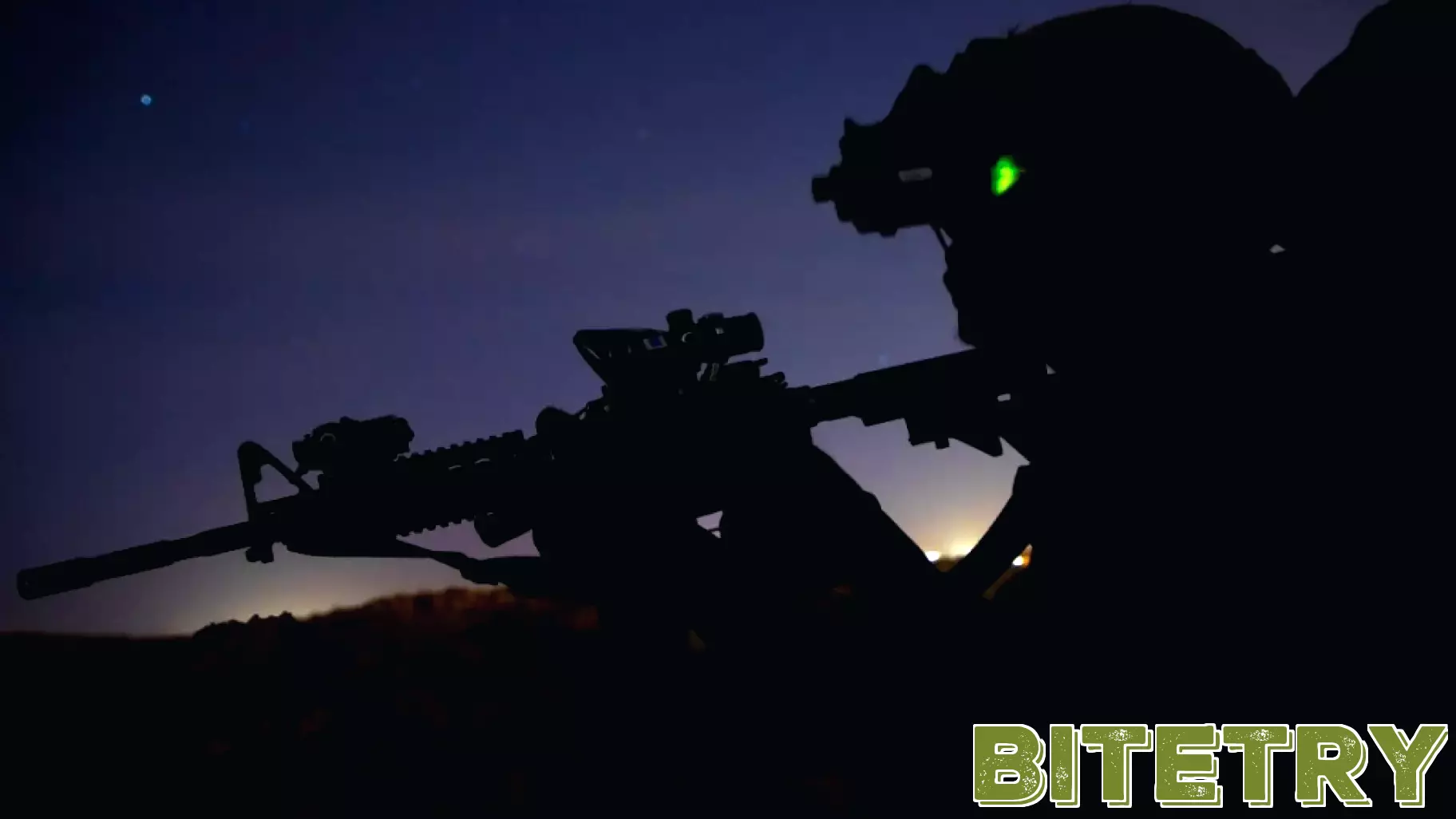
A stark warning has been issued regarding the rapid advancement of military night vision, suggesting the technology may now be exceeding the human brain's ability to process information during high-stakes, close-quarters engagements. The concern centers on the leap from traditional image-intensifying tubes to complex fusion systems and digital awareness networks.
These next-generation systems merge thermal imaging, augmented reality data feeds, and other sensor inputs into a single, information-dense display. While offering a formidable technological advantage in theory, critics argue this can create a dangerous cognitive overload for warfighters in split-second, life-or-death situations. The human brain, under the extreme stress of close combat, may struggle to parse the flood of data, potentially leading to delayed reactions, misidentification, or fatal hesitation.
The core dilemma is that engineering is outpacing neurobiology. The visual cortex and cognitive functions have not evolved to seamlessly integrate multiple digital visual layers while simultaneously managing the primal demands of a firefight. This creates a potential "fusion gap" where more information does not equal better situational awareness, but instead leads to confusion.
Proponents of a more measured approach advocate for designs prioritizing intuitive simplicity and user-centric interfaces that align with human perceptual limits. The push is now to ensure that the next generation of night vision enhances rather than hinders the soldier's most critical weapon: their own instinct and judgment under fire. The focus must be on creating a seamless human-machine partnership where technology serves the brain's natural capabilities, not overwhelms them.
MORE NEWS

August 4, 2026 - 19:37
When Tech Outpaces the Pentagon's Buying PowerThe gap between how fast private industry develops new technology and how quickly the government can buy it is getting wider, and that mismatch is creating real problems for national defense....
August 4, 2026 - 03:37
Idaho, Utah among finalists for nuclear waste, nuclear technology sitesFederal officials have narrowed the list of potential locations for a major nuclear waste management and technology complex, and both Idaho and Utah are still in the running. The chosen campuses...

August 3, 2026 - 01:31
Credo Technology Stock (CRDO) Opinions on AI Infrastructure ExpansionRecent discussions among investors and industry watchers have shifted focus to Credo Technology and its role in the rapidly expanding AI data center market. The conversation centers on the...

August 2, 2026 - 00:47
FDA weighs a new kind of flu shot based on technology RFK Jr. has questionedThe Food and Drug Administration is nearing a decision on a new type of influenza vaccine developed by Moderna, one that uses the same messenger RNA platform behind the company`s COVID-19 shots. If...