Rocket Lab Just Unveiled a Game-Changing Technology Worth Watching
August 9, 2026 - 04:22
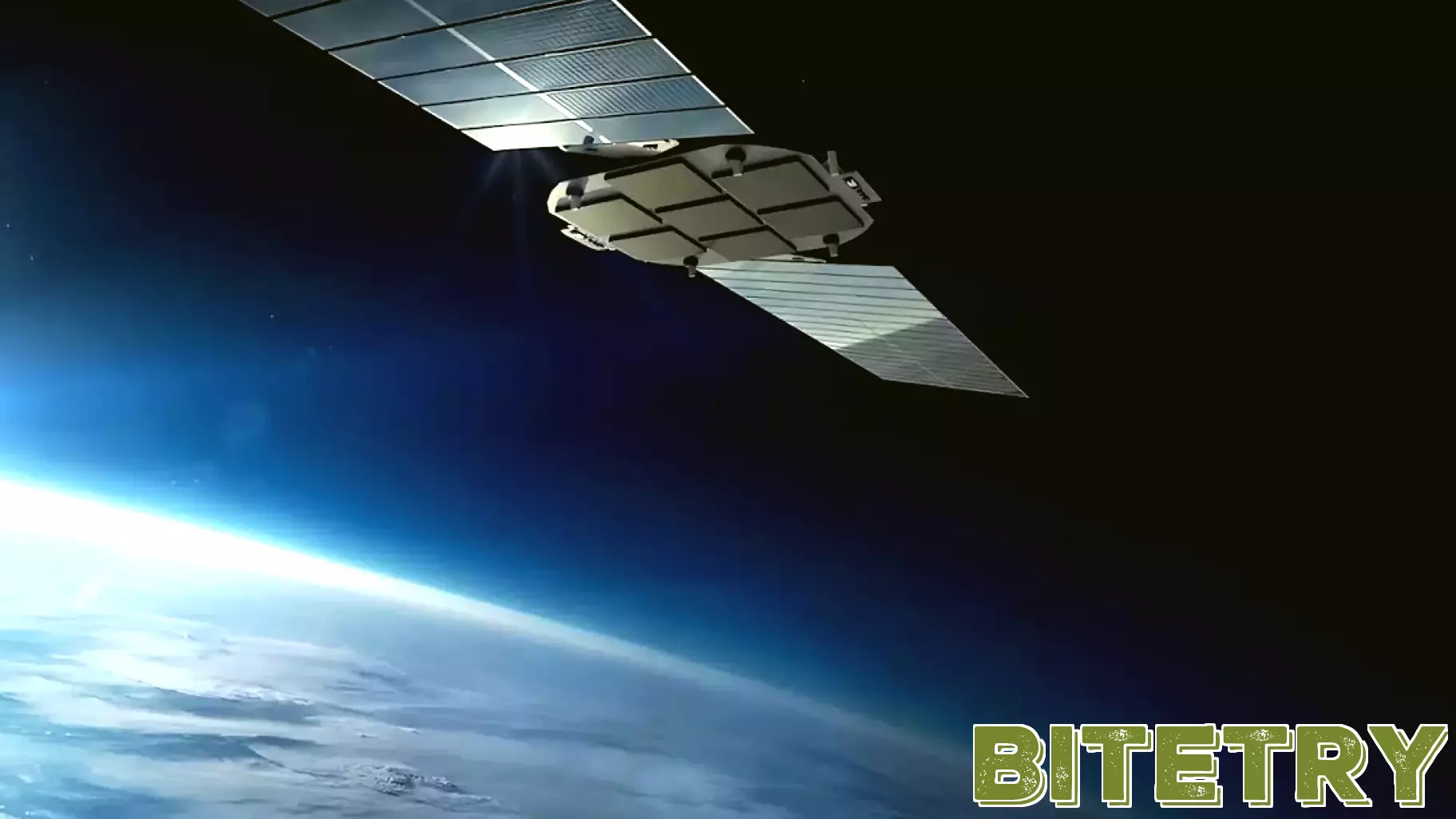
Rocket Lab has pulled the curtain back on a new satellite platform that might change how companies build and launch large constellations in low Earth orbit. The company is calling the design "Flatellites," and the name comes from their flat, stackable shape. Instead of launching each satellite separately or fitting them side by side inside a rocket fairing, these units can be piled on top of each other like plates. That means a single launch vehicle can carry many more of them at once, which cuts down on the cost per satellite and speeds up deployment.
The idea is straightforward. Most small satellites today are built with a boxy frame that wastes space when packed into a rocket. Flatellites are designed to be thin and wide, so they stack neatly without leaving gaps. Rocket Lab says this approach also simplifies the separation process once the rocket reaches orbit. Instead of complex springs or pushers, the satellites can slide apart with less mechanical stress, which reduces the risk of damage during deployment.
This matters because the market for low Earth orbit constellations is growing fast. Companies want hundreds or even thousands of satellites for internet coverage, Earth observation, and other data services. The biggest bottleneck is often getting those satellites into space quickly and affordably. Rocket Lab's new design directly targets that problem. If it works as advertised, a single Electron or Neutron launch could carry a full batch of Flatellites, cutting the number of flights needed by a significant margin.
Rocket Lab has not yet announced a specific customer for the first Flatellite mission, but the company says it is already in talks with several constellation operators. The first test units are expected to be built within the next year, with an orbital demonstration planned shortly after. If the design proves reliable, it could give Rocket Lab an edge over competitors who still rely on older satellite form factors. For now, the industry is watching closely to see if the stacking concept holds up in real space conditions, where thermal expansion and vibration can be unforgiving. But if it does, this could be the kind of quiet innovation that makes large constellations far more practical than they are today.
MORE NEWS

August 8, 2026 - 07:05
Bozard Ford Lincoln taps Curbee to be its new mobile service technology programA Northeast Florida auto group is upgrading its on-the-go repair operation. Bozard Ford Lincoln has signed on with Curbee, a mobile service software platform, to handle scheduling, routing, and...

August 7, 2026 - 17:31
First Student Enters the New School Year with Strong Safety, Technology, and Operational PerformanceAs the new academic year gets underway, First Student is reporting a strong start, citing significant strides in safety protocols, technological upgrades, and overall operational efficiency. The...
August 7, 2026 - 08:13
UAH research advances “plasma gun” technology that could transform space laundry and sanitation for future missionsThink about living in a college dorm room with no way to wash your clothes or clean your sheets for months. That is the reality astronauts face on long missions to the moon or Mars. The University...

August 6, 2026 - 17:38
Microchip Technology Announces Financial Results for First Quarter of Fiscal Year 2027Microchip Technology has posted its financial results for the first quarter of fiscal year 2027, showing a significant rebound in demand across its product lines. The company reported net sales of...