How Eco-Friendly Are Modern Streaming Devices?
14 January 2026
Streaming has become a huge part of our lives. Whether it's binge-watching the latest Netflix series, listening to music on Spotify, or gaming in the cloud, we're all plugged in 24/7. But have you ever stopped to wonder just how eco-friendly all these sleek streaming devices are?
Let’s dive into the environmental impact of your favorite streaming gadgets and whether they’re doing the planet any favors—or just adding to the ever-growing pile of e-waste.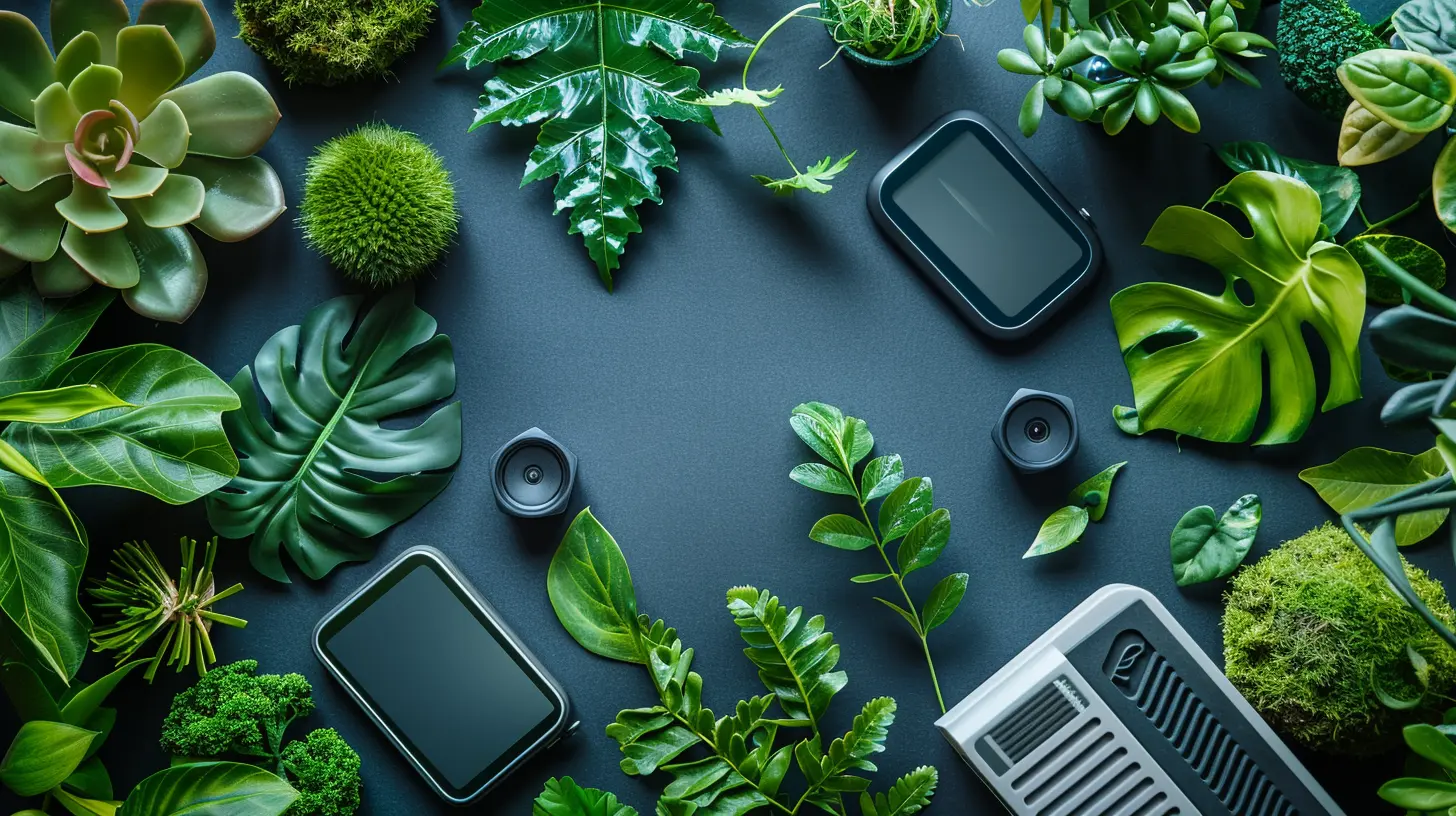
The Rise of Streaming: A Double-Edged Sword
The shift from traditional media—think DVDs, CDs, and cable boxes—to streaming has been nothing short of revolutionary. It's more convenient, it saves space, and let’s be honest, nobody misses rewinding a VHS tape.But here's the catch: while we may have ditched plastic discs and clunky players, we're now using even more electronic devices. Smart TVs, streaming sticks like Roku or Fire TV, gaming consoles, soundbars, smart speakers—you name it. The convenience of streaming isn't entirely “green”… yet.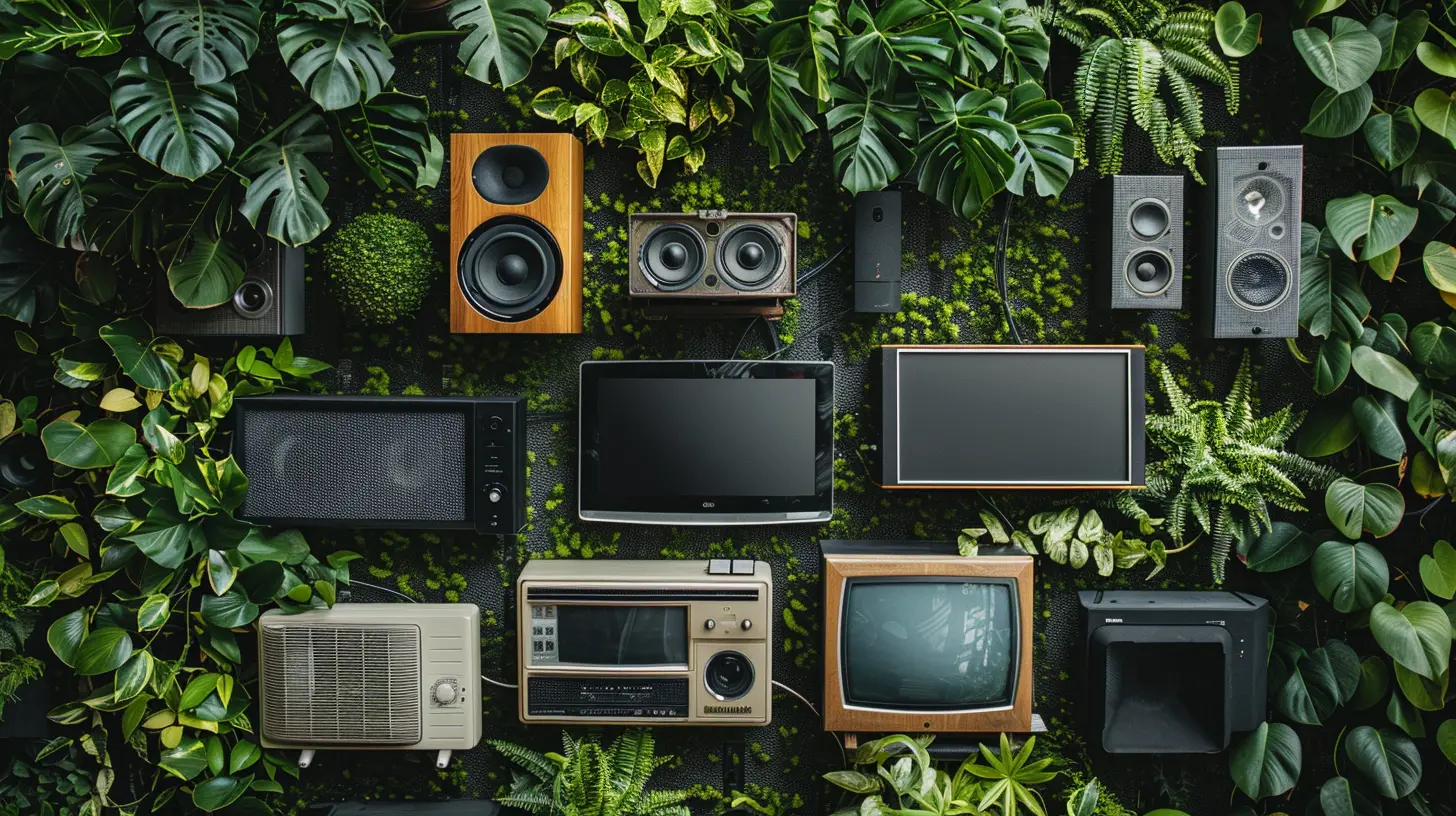
What Makes a Device Eco-Friendly Anyway?
Before we start pointing fingers, let’s set the stage. What does it actually mean for a streaming device to be eco-friendly?Here are a few signs:
- Energy efficiency: It uses as little power as possible, especially when idle.
- Sustainable materials: Made with recycled or recyclable components.
- Minimal packaging: Less plastic, more biodegradable options.
- Long lifespan: Upgradable firmware, durable construction.
- Safe disposal: Programs for recycling or trade-ins.
If a device ticks most of these boxes, it’s on the greener side. But not all gadgets are created equal. Some sip power gently while others guzzle it like there’s no tomorrow.
Energy Consumption: Small Device, Big Footprint?
Many assume that because streaming devices are tiny, they must use very little electricity.Well… yes and no.
Streaming Sticks and Dongles
Let’s talk about those slim HDMI dongles—Amazon Fire TV Stick, Chromecast, Roku, etc.These are relatively energy-efficient. They usually consume around 2 to 4 watts during use. When idle, some go as low as 1 watt. That’s not bad at all!
But the real issue isn’t just the device itself—it's how long it stays on. We’re streaming more than ever, and many people leave their devices plugged in 24/7. Over a year, that can still amount to a surprising chunk of your electricity bill.
Also, some sticks don’t turn off entirely unless manually unplugged. Sneaky, right?
Smart TVs
Smart TVs are a mixed bag. Newer ones tend to be more efficient thanks to LED or OLED panels and better power management features.However, bigger screens mean more energy. A 65-inch 4K OLED TV could consume 100–200 watts during peak usage. That adds up, especially if you're marathoning all 12 seasons of your favorite show.
Now pair that TV with a soundbar, a subwoofer, maybe a set-top box—it quickly becomes a full-on power party.
Gaming Consoles as Streaming Devices
A lot of folks stream through their Xbox or PlayStation. Here’s the problem: these consoles are not optimized for video playback. A PlayStation 5 can draw 70 watts just for Netflix. Compare that to a Fire Stick pulling 3 watts and you see the difference.Using a gaming console for casual streaming is like using a race car to go grocery shopping—total overkill.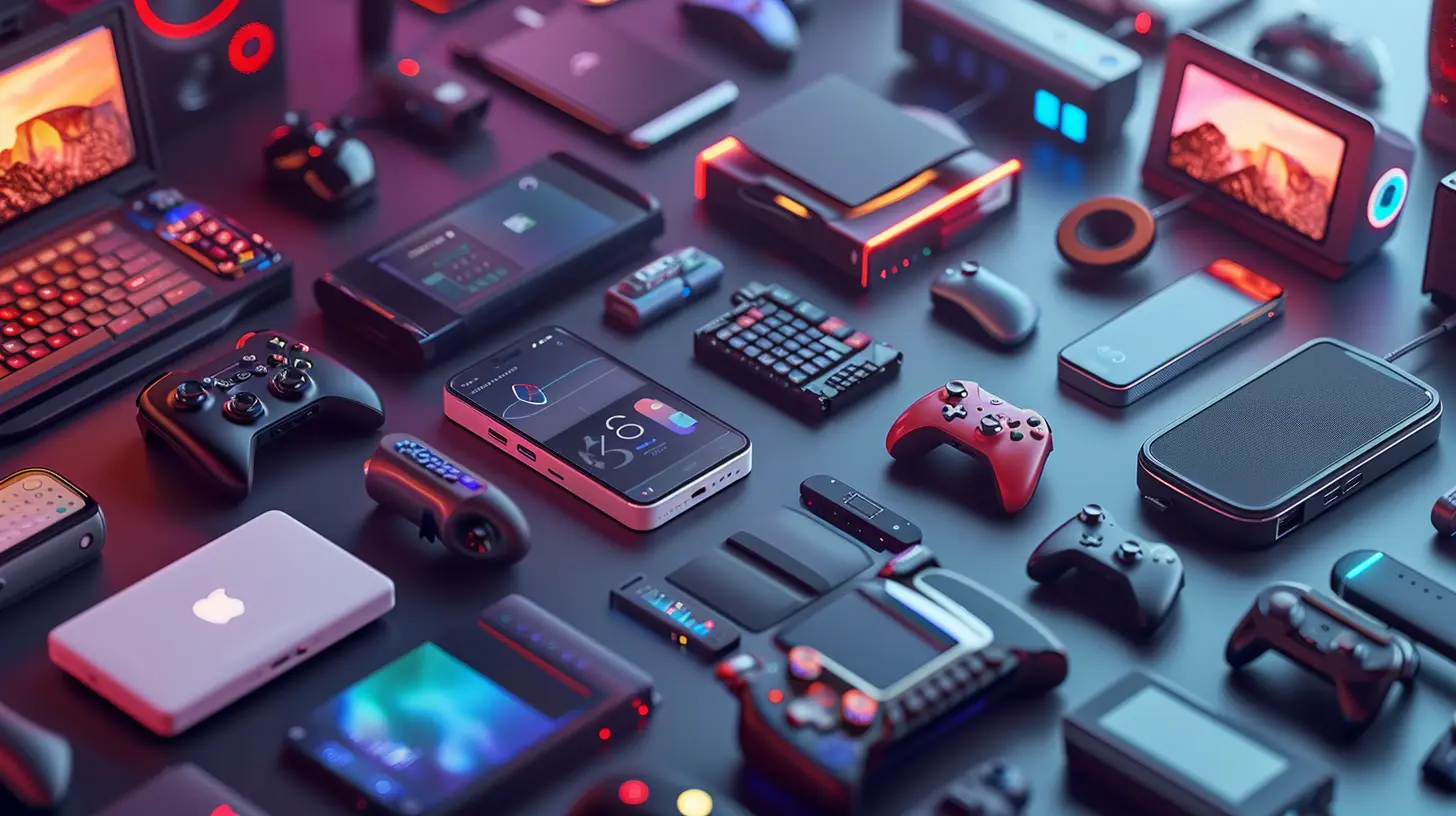
Manufacturing Materials: Recycled or Resource-Heavy?
Another key factor in eco-friendliness is what the devices are made of.Plastic and Metal Use
Most streaming devices contain a mix of plastic, silicon, aluminum, and sometimes rare earth materials. These aren't exactly planet-friendly to extract or manufacture. Mining and processing these materials contribute to carbon emissions, habitat disruption, and water pollution.Green Innovations
The good news? Several companies are starting to get it.- Google’s Chromecast with Google TV uses 49% recycled plastic for the product enclosure.
- Amazon’s Fire TV Stick 4K Max boasts a low carbon footprint and eco-conscious packaging.
- Apple TV 4K incorporates recycled aluminum and uses less plastic in packaging.
The push for sustainable sourcing is gaining momentum, even if we're not quite there yet.
Packaging: The Box Matters Too
Unboxing a new gadget is like opening a birthday gift, right? But have you noticed how much packaging is involved?Thankfully, more brands are embracing minimalist, eco-friendly packaging. Cardboard over plastic, soy-based inks, and less fluff are all trending up.
Still, some devices ship with unnecessary extras—massive manuals, foam inserts, even non-recyclable twist ties. One small device shouldn't leave behind a large trail of trash.
Device Lifespan & Software Support
One of the biggest sustainability sins is the throwaway culture that surrounds electronics.Streaming devices are often built on planned obsolescence. In other words, they have an expiration date not because they break, but because they stop getting software updates.
When apps no longer work or support drops, users toss out the old and buy new—even if the hardware is still functioning perfectly.
That’s a recipe for e-waste disaster.
The Good Guys
A few companies are trying to improve this:- Apple supports older Apple TVs for many years with updates.
- Roku devices often remain functional even after 5+ years.
- Google has extended support on newer Chromecast models.
More longevity means fewer devices end up in landfills.
The E-Waste Problem: What Happens After You Toss It?
Globally, we generate over 50 million tons of electronic waste every year. That’s like throwing away 1,000 laptops every single second. Yikes.Streaming devices, although small, contribute to this growing mountain of garbage.
Some parts can be recycled, but not everything is easy to process. Batteries, circuit boards, and plastics often require special handling—if they’re thrown in the trash, they can leak toxins into soil and water.
What You Can Do
- Recycle: Use certified e-waste centers or brand-run trade-in programs.- Donate: Give old devices to someone who can still use them.
- Upgrade smarter: Don’t chase every new release. Only buy what you need.
Cloud Streaming & Its Hidden Emissions
There’s a sneaky part of streaming most people forget about: the cloud.Every time you stream a video, it travels from a massive data center to your screen. These data centers require:
- Gigawatts of electricity
- Powerful cooling systems
- Huge server farms
Even though the streaming device in your home may be green, the process of delivering the content... isn’t always.
Companies like Netflix and YouTube are investing in renewable energy to power their servers, but there's still a long way to go.
Smart Tips for Eco-Friendly Streaming
Want to lower your carbon stream-print? Try these:1. Use energy-efficient devices: Streaming sticks beat consoles for power use.
2. Turn it off: Don't leave devices running in idle mode all day.
3. Lower the quality when possible: HD over 4K can save significant energy.
4. Buy less, buy better: Don’t swap devices every year. Choose durable, upgradable options.
5. Recycle responsibly: Find proper disposal or trade-in options for old gear.
So… How Eco-Friendly Are Modern Streaming Devices?
Let’s bring it all together.Modern streaming devices are making progress. They're more energy-efficient, use better materials, and last longer than in the past. But they still have a noticeable impact—from manufacturing emissions to e-waste, and even hidden cloud-based energy costs.
That said, not all devices are born equal. Some prioritize sustainability, others lag behind. As consumers, we have the power to nudge the industry in the right direction. Choosing greener devices, using them wisely, and disposing of them properly all make a difference.
So next time you're cozying up for movie night, think for a second: how green is that little gadget you’re using to hit "play"?
all images in this post were generated using AI tools
Category:
Streaming DevicesAuthor:

Vincent Hubbard
Discussion
rate this article
2 comments
Micah Martinez
Great article! It’s vital to consider the environmental impact of our tech choices for a sustainable future.
February 9, 2026 at 11:32 AM
Vincent Hubbard
Thank you! I'm glad you found the article insightful. Considering our tech's environmental impact is crucial for a sustainable future.
Grant Benton
Modern streaming devices may cut carbon footprints, but let’s not kid ourselves—streaming isn’t exactly the ‘greenest’ way to binge-watch.
January 15, 2026 at 4:42 AM
Vincent Hubbard
While modern streaming devices are more efficient, the environmental impact of data centers and increased energy consumption for streaming still poses significant challenges.