How Smartphones Are Pioneering the Future of Mobile Payments
6 March 2026
The world is going cashless, and at the heart of this transformation are the pocket-sized powerhouses we call smartphones. From buying a cup of coffee to transferring money overseas, mobile payments have become an essential part of our daily lives. But how exactly are smartphones pioneering the future of mobile payments? Let’s dive deep into this revolution and see how it’s reshaping the way we transact.

The Rise of Mobile Payments
Remember the days when you had to carry a bulky wallet stuffed with cash, credit cards, and receipts? Those times are fading fast. Mobile payments have surged in popularity thanks to their convenience, security, and speed.According to Statista, global mobile payment transactions are expected to reach $14 trillion by 2027. That’s a staggering number, and smartphones are the driving force behind this growth. With just a few taps, users can pay for goods, split a bill with friends, or even manage their finances from anywhere.
But what’s making smartphones the hub of digital payments?
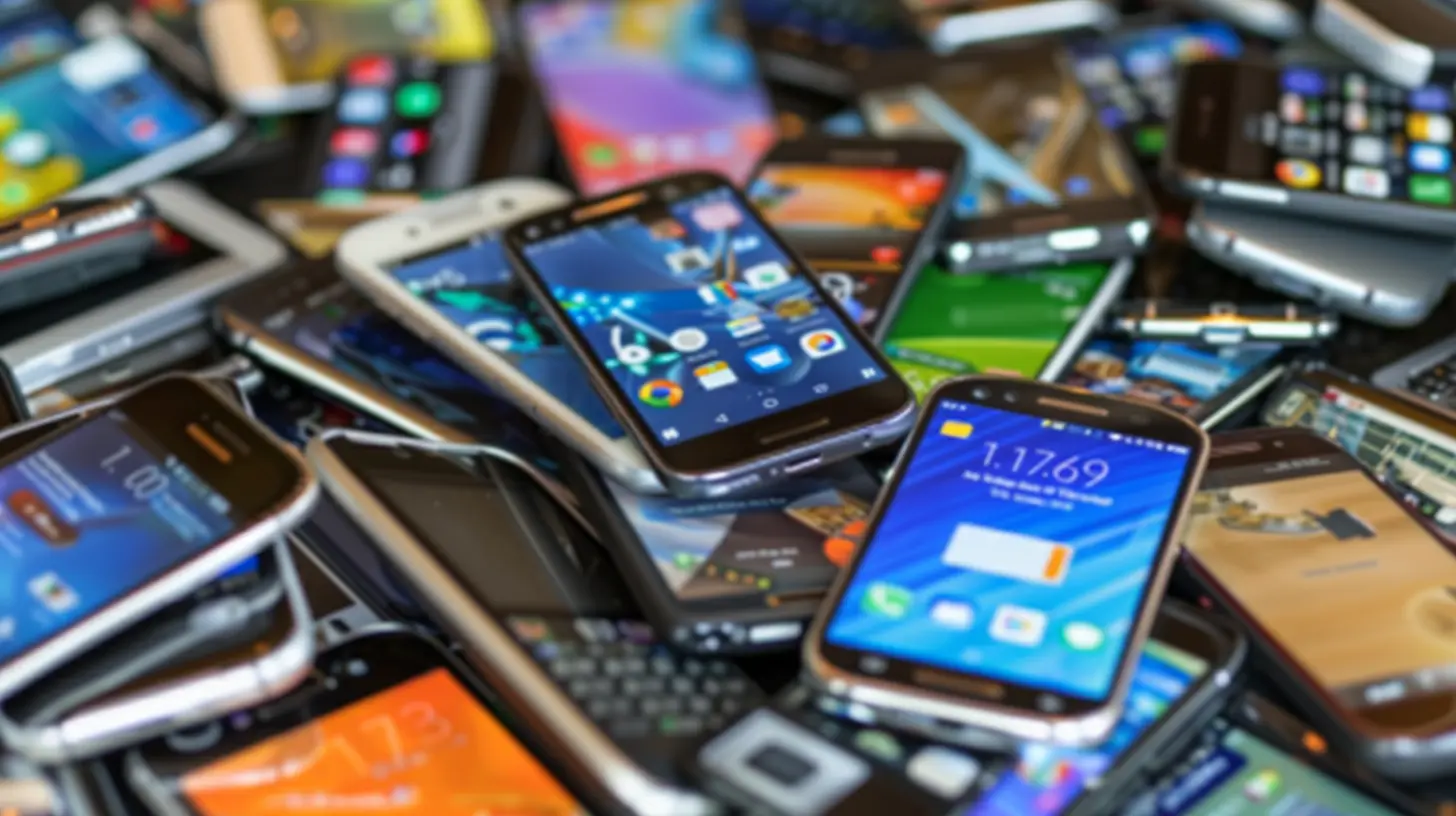
How Smartphones Are Reshaping Mobile Payments
1. The Power of NFC Technology
Near Field Communication (NFC) is a game-changer. If you've ever used Apple Pay, Google Pay, or Samsung Pay, then you've already experienced its magic. NFC allows smartphones to communicate with payment terminals wirelessly, making tap-to-pay transactions seamless.What’s great about NFC?
- Speed – Payments take seconds, making checkout lines move faster.
- Security – Transactions use tokenization, meaning your actual card details are never shared.
- Convenience – No need to pull out a card—just tap your phone and go.
With NFC becoming the norm, businesses that don’t support mobile payments might soon feel outdated.
2. Biometric Authentication for Security
Are you still worried about security when making mobile payments? With smartphones integrating biometric authentication like fingerprint scanning, facial recognition, and even iris scanning, fraud risks are significantly reduced.Think about it: even if someone steals your phone, they can’t access your payment apps without your fingerprint or face scan. This is a level of security that traditional credit cards just can’t match.
3. The Rise of Digital Wallets
Gone are the days when you needed a physical wallet. Now, mobile wallets like:- Apple Pay
- Google Pay
- Samsung Pay
- PayPal
...are making payments effortless. These digital wallets store multiple cards and allow users to switch between them seamlessly. Whether you’re shopping in-store or online, they provide one-tap checkout, making life a whole lot easier.
4. QR Code Payments – The Global Favorite
While NFC is huge in places like the U.S. and Europe, QR code payments dominate in countries like China and India. Apps like WeChat Pay, Alipay, and Paytm have made QR codes the preferred method for digital transactions.Why are QR codes so popular?
- They don’t require expensive hardware (any smartphone camera can scan them).
- They're extremely easy to use—just scan and pay.
- They’re widely accepted in places where NFC infrastructure is still growing.
Even major brands like Starbucks and Walmart have integrated QR code payments into their apps, proving just how efficient and accessible they are.
5. Blockchain and Cryptocurrency Payments
Cryptocurrency isn’t just for tech geeks anymore. With smartphones making it easy to store and use digital currencies, mobile crypto payments are gaining traction.Apps like Coinbase, Binance Pay, and Trust Wallet now allow users to send and receive Bitcoin, Ethereum, and other cryptocurrencies instantly. Plus, some businesses are starting to accept crypto payments, offering a decentralized, borderless alternative to traditional banking methods.
Imagine paying for your morning coffee using Bitcoin directly from your phone. Sounds futuristic? It’s already happening.
6. AI-Powered Payment Assistants
Artificial Intelligence is making mobile payments smarter. AI-powered assistants like Siri, Google Assistant, and Alexa can now send money via voice commands. For example, you can simply say, _"Hey Siri, send $20 to John using Apple Pay,"_ and it’s done.AI-driven insights also help users track spending, set budgets, and detect fraudulent transactions. The more we integrate AI into mobile payments, the smarter and more secure transactions become.
7. 5G and Instant Transactions
With 5G rolling out globally, mobile payments are becoming even faster and more reliable. Faster internet speeds mean reduced processing times, making real-time transactions smoother than ever before.No more lagging apps or delayed payments—5G ensures that mobile transactions happen in the blink of an eye.
The Global Impact of Smartphone Payments
Banking the Unbanked
One of the most significant impacts of mobile payments is financial inclusion. In many developing countries, millions of people lack access to traditional banking services. Smartphones are changing this by providing digital banking alternatives.Services like M-Pesa in Africa and Google Pay in India allow users to store money, pay bills, and transfer funds, all without needing a physical bank. This is transforming economies and empowering people financially.
A Push Towards a Cashless Society
Countries like Sweden, China, and South Korea are nearing a cashless economy, all thanks to mobile payments. Governments are even encouraging digital transactions to reduce tax evasion, corruption, and money laundering.As mobile payments become the norm, carrying cash might soon feel as outdated as using a floppy disk.
Impact on Businesses and E-Commerce
For businesses, mobile payments are a game changer. Mobile-friendly payment systems lead to:- Faster transactions at checkout
- Higher sales conversion rates online
- Lower fraud risks
E-commerce platforms like Amazon and Shopify have integrated one-click mobile payments, reducing cart abandonment rates and increasing sales. The smoother the payment process, the better the shopping experience.
The Future of Mobile Payments
So, where are we headed next? Expect innovations like:- Wearable Payments – Smartwatches and rings with built-in payment features.
- Voice-Activated Commerce – Ordering and paying using only your voice.
- Augmented Reality Shopping – Virtual stores where you can browse and pay instantly.
- Biometric Payment Cards – Credit cards that scan your fingerprint for extra security.
With smartphones at the center of these advancements, the way we pay is evolving faster than ever.
Final Thoughts
Smartphones aren’t just communication devices anymore—they’re financial powerhouses. From NFC tap-to-pay to cryptocurrency transactions, they’re pioneering the future of mobile payments in ways we could only dream of a decade ago.As we move toward a cashless, cardless future, one thing is clear: the smartphone is leading the charge. So, the next time you pay with your phone, remember that you’re part of a financial revolution that’s reshaping the world—one tap at a time.
all images in this post were generated using AI tools
Category:
SmartphonesAuthor:

Vincent Hubbard
Discussion
rate this article
2 comments
Quill McWilliams
Smartphones: the only device that can turn a trip to the coffee shop into a high-stakes game of ‘Will my payment go through or will I have to awkwardly shuffle away?’ Who knew the future of mobile payments would come with more suspense than a Netflix thriller?
March 16, 2026 at 3:40 AM
Vincent Hubbard
Absolutely! The unpredictability of mobile payments at coffee shops adds an unexpected twist to our daily routines, highlighting both the excitement and occasional stress of our tech-driven lives.
Talis Cross
This article highlights the transformative role of smartphones in mobile payments, showcasing innovations that enhance convenience, security, and accessibility for consumers globally.
March 11, 2026 at 5:51 AM
Vincent Hubbard
Thank you for your insightful comment! I'm glad you found the article highlights on smartphones' impact on mobile payments valuable.