Will Gesture-Based UX Take Over by 2027?
14 April 2026
Hey there, tech enthusiasts! Have you ever imagined a world where you can control your devices with just a wave of your hand or a tilt of your head? Sounds like something out of a sci-fi movie, right? But the truth is, gesture-based user experience (UX) is rapidly evolving, and it’s not just a fantasy anymore. In this article, we’re going to dive deep into the exciting world of gesture-based UX and discuss whether it will take over by 2027. Buckle up, because we’re about to embark on a thrilling journey into the future of technology!
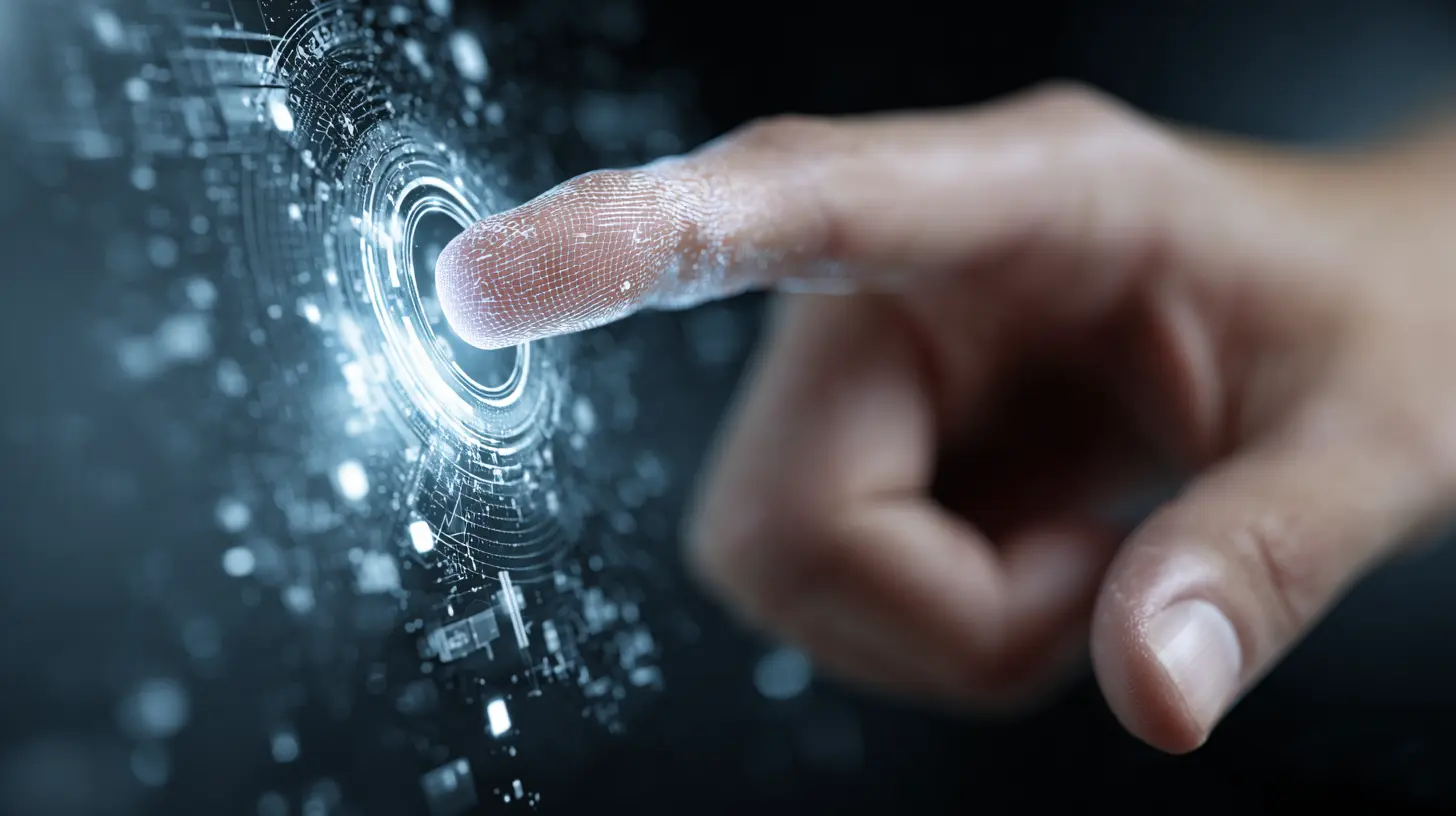
What is Gesture-Based UX?
Before we dive into the future, let’s take a moment to understand what gesture-based UX really means. At its core, gesture-based UX refers to the use of physical movements to interact with digital devices. Think of it as the way we naturally communicate with each other—using gestures, body language, and facial expressions. Instead of tapping buttons or swiping screens, you might wave your hand to scroll through a webpage or nod your head to accept a call.This kind of interaction is designed to be more intuitive and fluid, mimicking how we interact in the real world. Imagine controlling your smart home devices by simply pointing at them or flipping through your favorite playlist with a flick of your wrist. It’s all about making technology feel more human and accessible.
The Rise of Gesture Recognition Technology
Now that we have a grasp of what gesture-based UX is, let’s talk about how it’s evolving. Gesture recognition technology has made significant strides in recent years, thanks to advancements in artificial intelligence (AI) and machine learning. Devices are becoming smarter, and they can now recognize a wide range of gestures with impressive accuracy.Take a look at popular devices like smart TVs, gaming consoles, and even smartphones. They’re already incorporating gesture controls to enhance user experience. For example, have you ever used your hand to pause a video on a smart TV? That’s gesture recognition in action! This technology is becoming more mainstream, and it’s paving the way for a future where gesture-based UX could dominate our interactions with devices.
The Current Landscape of Gesture-Based UX
As we stand on the brink of a technological revolution, let’s take a closer look at the current landscape of gesture-based UX. It’s fascinating to see how different industries are adopting this technology. From healthcare to gaming, gesture-based interactions are being integrated into various applications.Gaming
The gaming industry has been one of the earliest adopters of gesture-based controls. Remember the thrill of playing games on the Nintendo Wii or the Microsoft Kinect? These devices allowed players to physically engage with games, making the experience more immersive. Fast forward to today, and we see virtual reality (VR) headsets that track hand movements, allowing players to interact with the virtual world in a way that feels natural.Smart Homes
Smart home technology is another area where gesture-based UX is gaining traction. Imagine walking into your living room and simply waving your hand to turn on the lights or adjust the thermostat. Companies like Google and Amazon are already experimenting with gesture controls for their smart devices. With the rise of the Internet of Things (IoT), the possibilities are endless!Healthcare
In the healthcare sector, gesture recognition is being explored for various applications, from patient monitoring to surgical assistance. Surgeons can use gesture controls to navigate through complex surgical systems without having to touch any surfaces, reducing the risk of contamination. This not only enhances efficiency but also improves patient safety.Automotive Industry
Even the automotive industry is getting on board! With the introduction of gesture controls in cars, drivers can adjust their music or answer calls with a simple wave of their hand. This makes driving safer by minimizing distractions. As cars become more connected and autonomous, we can expect gesture-based interactions to become even more prevalent.
Why Gesture-Based UX Could Take Over
So, what makes gesture-based UX so appealing? Why do we think it could take over by 2027? Let’s break down some of the key reasons.1. Intuitive Interactions
One of the most significant advantages of gesture-based UX is its intuitive nature. Humans have been using gestures to communicate for centuries, so it feels natural to interact with technology in the same way. This could lead to a more seamless user experience, reducing the learning curve for new devices and applications.2. Accessibility
Gesture-based interactions can also improve accessibility for individuals with disabilities. For those who may have difficulty using traditional input methods like keyboards or touchscreens, gesture controls offer an alternative way to engage with technology. This inclusivity could open up new opportunities for everyone, making technology more user-friendly.3. Enhanced Immersion
In gaming and virtual reality, gesture-based controls provide an immersive experience that traditional controls simply can’t match. Imagine being able to physically reach out and grab objects in a virtual world or interact with characters using natural movements. This level of immersion could transform how we experience entertainment and social interactions.4. Evolution of AI
As AI continues to evolve, so will gesture recognition technology. With machine learning algorithms becoming more sophisticated, devices will be able to interpret gestures with greater accuracy and context. This means that our interactions will become more personalized and responsive, enhancing the overall user experience.5. Future of Work
The future of work is also leaning towards gesture-based UX. With remote work becoming the norm, tools that allow for more natural interactions in virtual meetings are in high demand. Imagine conducting a presentation where you can use gestures to navigate slides or emphasize points. It’s a game-changer for remote collaboration!Challenges to Overcome
While the future looks bright for gesture-based UX, it’s not without its challenges. Here are a few hurdles that need to be addressed before it can take over completely.1. Accuracy and Precision
One of the main challenges is ensuring that gesture recognition technology is accurate and precise. Misinterpreted gestures can lead to frustration and a poor user experience. Developers need to invest in refining the technology to minimize errors and enhance reliability.2. User Acceptance
Not everyone is ready to embrace gesture-based controls. Some users may feel more comfortable with traditional input methods, especially older generations who may not be as familiar with the technology. Education and awareness will be crucial in encouraging widespread adoption.3. Privacy Concerns
As with any technology, privacy concerns are a significant factor. Gesture recognition often relies on cameras and sensors that can track movements. Users may be hesitant to adopt this technology if they feel their privacy is at risk. Transparent policies and robust security measures will be essential to build trust.4. Integration with Existing Systems
For gesture-based UX to truly take over, it needs to be integrated seamlessly with existing systems and devices. This requires collaboration between manufacturers, software developers, and designers to create a cohesive ecosystem that supports gesture interactions.
What to Expect by 2027
So, what can we realistically expect by 2027? Here are a few predictions based on current trends and advancements.1. Widespread Adoption
By 2027, gesture-based UX is likely to be widely adopted across various industries. From smart homes to healthcare, we’ll see a surge in applications that utilize gesture controls. Imagine walking into a café and ordering your coffee with a simple gesture instead of waiting in line!2. Enhanced Personalization
As AI continues to advance, we can expect gesture recognition to become more personalized. Devices will learn user preferences and adapt to individual gestures, creating a more tailored experience. Your smart home might even recognize your unique wave and adjust the lighting to your favorite setting!3. Integration with Augmented Reality (AR)
The combination of gesture-based UX with augmented reality could revolutionize how we interact with the world around us. Picture this: you’re at a museum, and instead of reading labels, you simply gesture to an exhibit, and your AR glasses provide you with interactive information. It’s a whole new level of engagement!4. New Job Opportunities
As gesture-based UX becomes more prevalent, we can expect to see new job opportunities emerge in fields related to UX design, software development, and AI. Professionals who specialize in gesture recognition technology will be in high demand, leading to exciting career prospects.5. A More Inclusive Future
Ultimately, the rise of gesture-based UX could lead to a more inclusive future. By making technology accessible to a broader audience, we can empower individuals with diverse abilities and backgrounds to engage with digital experiences. This democratization of technology is something to celebrate!Conclusion
As we look ahead to 2027, it’s clear that gesture-based UX has the potential to transform the way we interact with technology. With its intuitive nature, enhanced immersion, and growing accessibility, it’s no wonder that many experts believe it could take over in the coming years. While challenges remain, the advancements in gesture recognition technology and AI are paving the way for a more engaging and inclusive digital future.So, what do you think? Are you ready to embrace a world where your gestures control your devices? The future is bright, and we can’t wait to see how gesture-based UX unfolds in the next few years. Let’s keep our fingers crossed (or should we say, our hands waving!) for an exciting technological revolution!
all images in this post were generated using AI tools
Category:
User ExperienceAuthor:

Vincent Hubbard
Discussion
rate this article
2 comments
Craig Williams
Gesture-based UX is the future, embrace it or get left behind!
April 20, 2026 at 11:40 AM
Vincent Hubbard
Possibly, but only if it solves real problems—not just for novelty's sake. Practicality, not hype, will decide.
Cadence West
Gesture-based UX sounds exciting! I can’t wait to wave goodbye to clunky interfaces and embrace a more intuitive experience. Bring on the future!
April 17, 2026 at 11:31 AM
Vincent Hubbard
Thank you! We're excited about the potential of gesture-based UX too. It could revolutionize how we interact with technology!