Factors to Consider When Bringing Cryo-EM Technology into the Lab
June 9, 2026 - 23:56
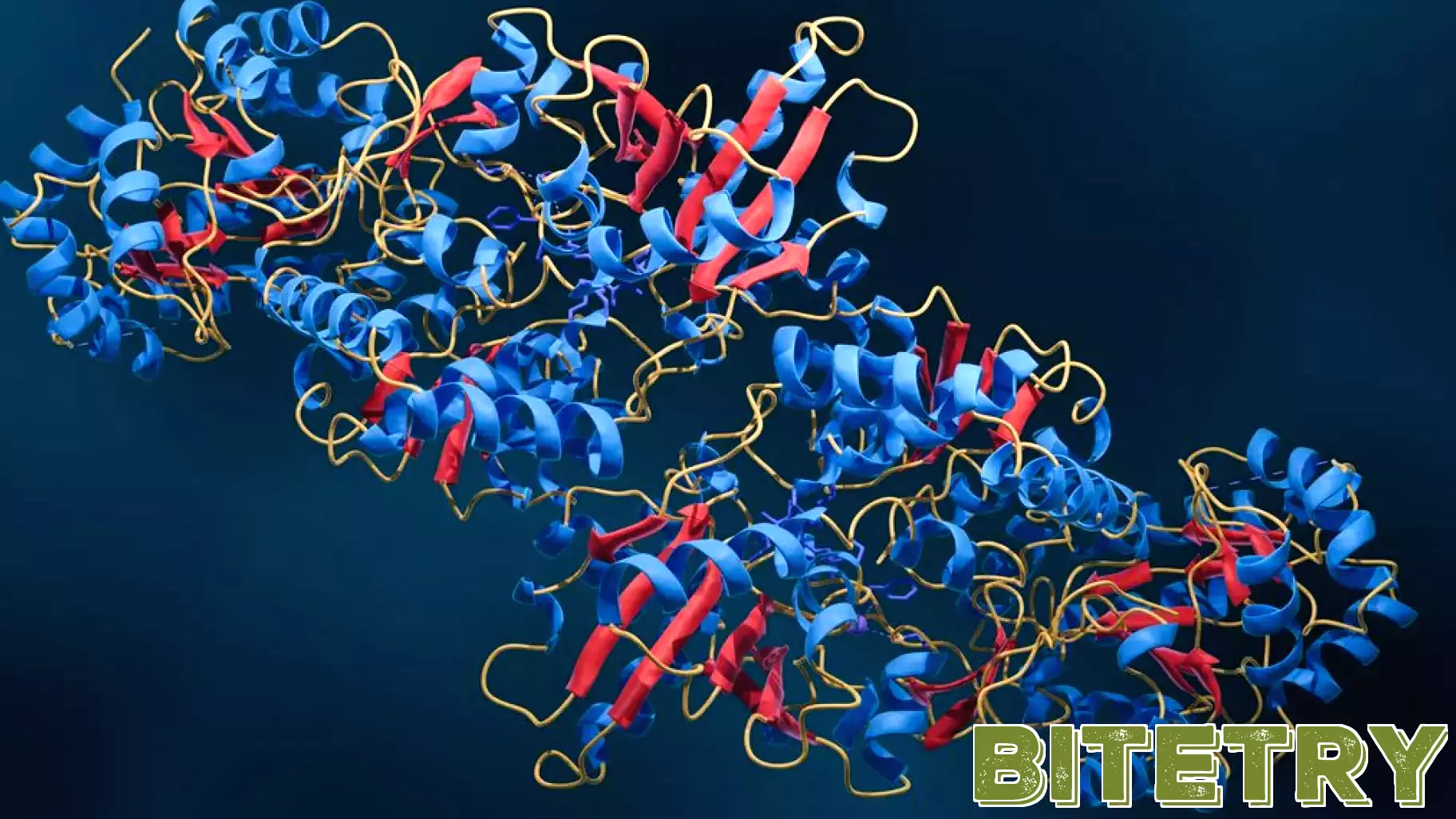
Pharma and biotech lab managers eyeing cryo-electron microscopy face a decision that goes far beyond the price tag. While the technology offers atomic-level resolution for structural biology, bringing it in-house requires a careful look at return on investment, workflow integration, and the reality of building internal expertise.
The first question is whether the lab's project pipeline justifies the capital expense. A single high-end cryo-EM system can cost several million dollars, plus ongoing maintenance and facility upgrades. Managers should calculate how many samples per year would be processed and compare that to the cost of outsourcing to a core facility or service provider. For labs with sporadic demand, external access often makes more financial sense.
Workflow integration is another major hurdle. Cryo-EM is not a plug-and-play instrument. It demands specialized sample preparation, including vitrification and grid handling, which are very different from traditional X-ray crystallography or NMR methods. The lab must also handle massive data sets, requiring robust computing infrastructure and storage. Without a streamlined pipeline from sample to structure, the instrument can become an expensive bottleneck.
Building in-house capability is perhaps the hardest factor. Cryo-EM requires a team with deep expertise in optics, cryogenics, and image processing. Hiring experienced scientists is competitive, and training existing staff takes months. Managers should assess whether their current team can develop these skills or if they need to recruit specialists.
Finally, consider the facility itself. The instrument is sensitive to vibration, temperature changes, and electromagnetic fields. Many labs need to build a dedicated room with specialized flooring, climate control, and shielding. This adds both cost and lead time.
For many pharma and biotech labs, the best path is a hybrid model: start with external access to validate the technology's value, then gradually build in-house capacity as demand grows. The decision is not just about buying a machine, but about committing to a long-term capability.
MORE NEWS
August 1, 2026 - 02:37
Stevens Institute of Technology chooses Englot as interim dean for its School of ComputingStevens Institute of Technology has named Brendan Englot as the interim dean for its School of Computing, with the appointment taking effect on August 1. Englot, who currently serves as a professor...
July 31, 2026 - 09:35
Montage Technology Announces Industry-First Trial Production of CXL 3.2 MXC ChipMontage Technology has reached a new milestone by moving its CXL 3.2 Memory eXpander Controller, or MXC, into trial production. The company says this is the first time such a chip has reached this...

July 30, 2026 - 23:47
Silent Hill: Townfall Developers discuss the Scottish setting, retro technology, first-person combatThe upcoming `Silent Hill: Townfall` is shaping up to be a radical departure for the series, and not just because of its shift to first-person combat. In a recent interview, the development team...

July 30, 2026 - 07:44
Penn Highlands, Conemaugh launch new surgical technology degree programJOHNSTOWN, Pa. - Penn Highlands Community College and Conemaugh Memorial Medical Center have announced a new associate degree program in surgical technology, set to begin in the fall. The...